

(Photo: Ed Perlstein | Getty)
In the fractured, revolutionary world of the late 1960s, The Grateful Dead didn’t have all the answers. What they did have was music. And music – if it is constructed properly – lasts for generations.
With the passing of the band’s rhythm guitarist, Bob Weir, many of us are left with yet another quiet, unexpected sadness in the midst of a world that seems perpetually heavy. And The Grateful Dead has long been a companion to our shared experiences, and their work continues to resonate in wellness, yoga, and ritual spaces. Because it was never just about music.
Their work emphasized greater awareness, community, and staying present in the midst of uncertainty. Their concerts were like living ceremonies. People gathered, time stretched out, and the sharp edges of the outside world seemed to fade.
That kind of presence feels increasingly rare. These days, even our most meaningful moments are typically filtered, documented, and shared before they are fully felt. The attention is broken. Urgency is constant. And uncertainty is something we need to resolve rather than just sit with. It’s hard not to wonder if the slow-blooming, communal magic of the Grateful Dead could emerge in a world where every show is viewed through a phone screen.
What their music offers, and what so many different wellness practices like yoga seek to restore, is a refuge from that harried pace. One that values listening over broadcasting, experience over engagement, and shared presence over performance.
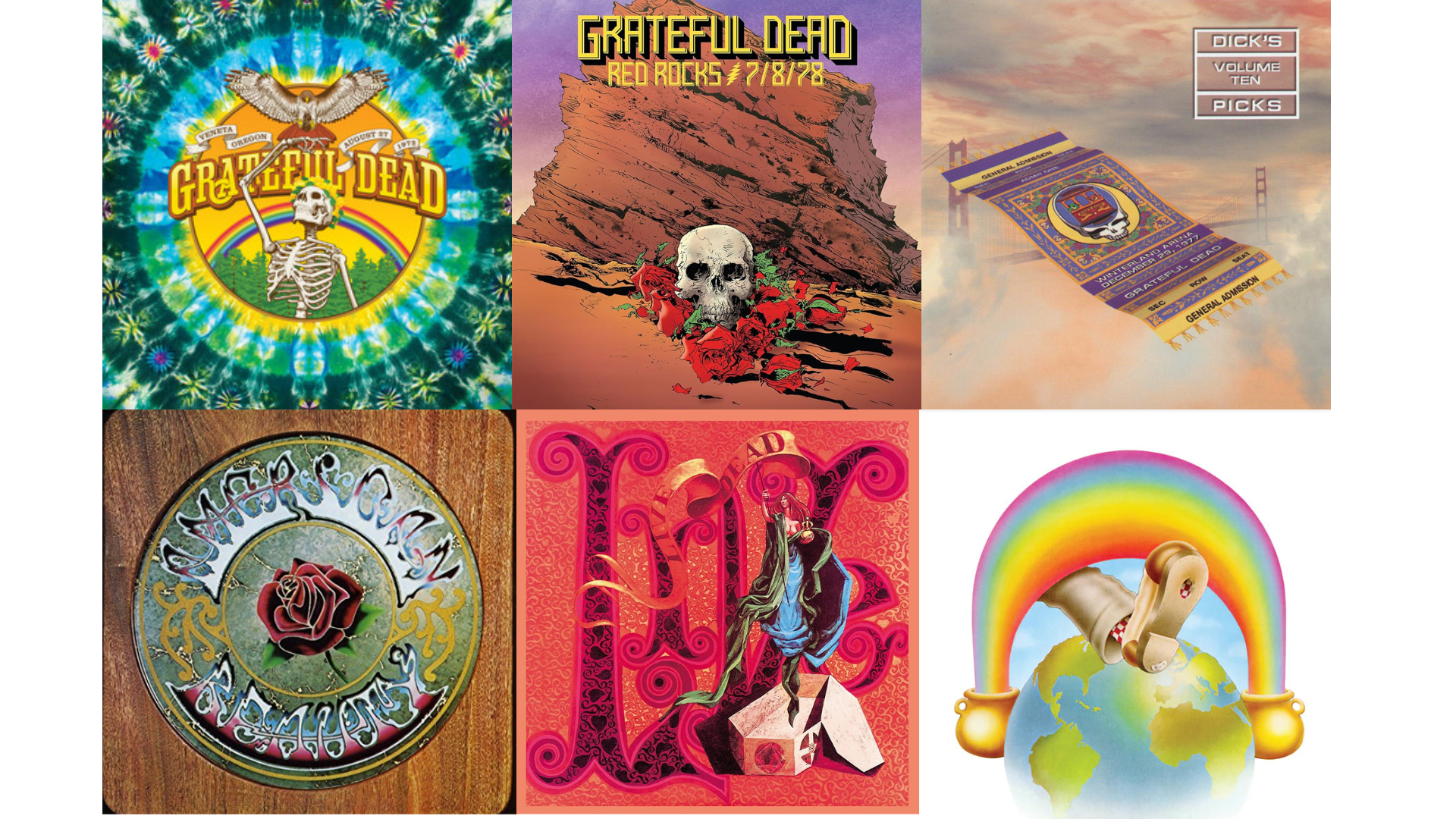
As any loyal Deadhead will tell you, the ability to really listen is essential – and undervalued. Grateful Dead songs rarely follow a predictable arc. They stretch, dissolve, fall apart and reform themselves. A version played in 1972 could feel very different by the time you heard it was played in 1989. You couldn’t predict where a song would go. You had to stay with it, moment by moment.
That openness was made possible in large part by Weir’s signature approach to rhythm guitar. Rather than constantly grinding songs forward, his countermelodic, syncopated style wove itself between lead lines, creating the space and responsiveness that is at the heart of The Dead’s improvisational sound. If Weir’s website notes in recognition of his passing, “His work did more than fill rooms with music; it was warm sunlight that filled the soul and built a community, a language and a sense of family that generations of fans will carry with them.”
Perhaps what we need today is to embody that ethos. The next grateful dead playlistcurated by Spotify user Kelly Murphy, helps you experience just that on your yoga mat. Whether you practice a favorite sequence, close your eyes and move intuitively, or simply allow yourself to stand still, let the songs play. Focus on sensation instead of structure. Let all the transitions you make with your body happen undisturbed. As you do, you’ll notice what happens when you let the music draw you into a more attuned form of listening. Maybe that’s the real legacy of The Grateful Dead.
RELATED: Why skiers love the Grateful Dead
#Grateful #Dead #playlist