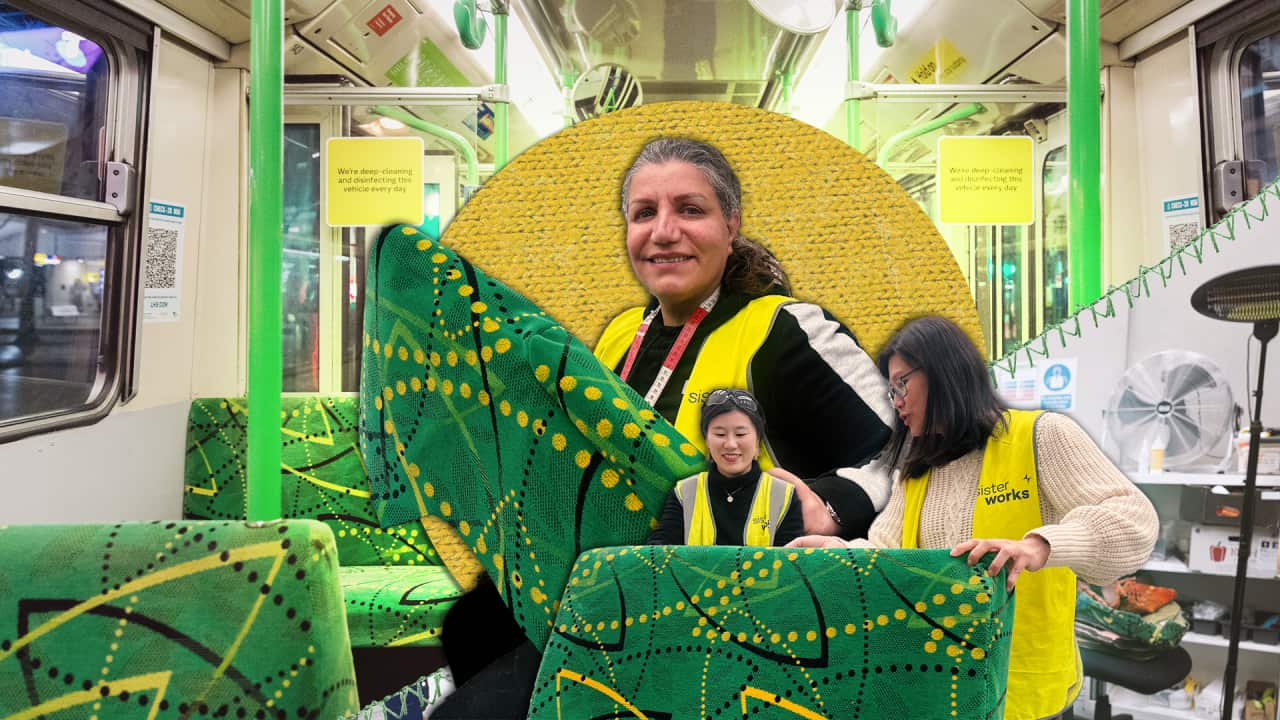

But for Shirkool, they symbolize something much bigger: financial independence, confidence and a sense of belonging in a city she now calls home.
Her turning point came in 2018, when a social worker introduced her to SisterWorks – a Melbourne-based social enterprise that supports refugee, asylum seeker and migrant women to achieve economic independence through employment and entrepreneurship.
A place where you belong
“Maybe I wouldn’t have found a job out there.”
For Farah Shirkool (left), each chair represents hours of labor, a new start and a life rebuilt. Source: SBS news
After completing English, computer and social skills training, Shirkool joined the organization’s manufacturing hub. There she rediscovered a skill – sewing – something she first learned as a teenager on the streets of Tehran.
“SisterWorks is like family to me, it’s good for the heart, you know, the ladies help me and I help other sisters – it feels really good,” she said.
Bridging the employment gap
“Migrant, refugee and asylum seeker women take 18 months to get into work, as opposed to their male counterparts taking six months… some of these women are falling through the cracks in the mainstream support system here in Australia, and that’s a shame because there are quite a lot of them.”
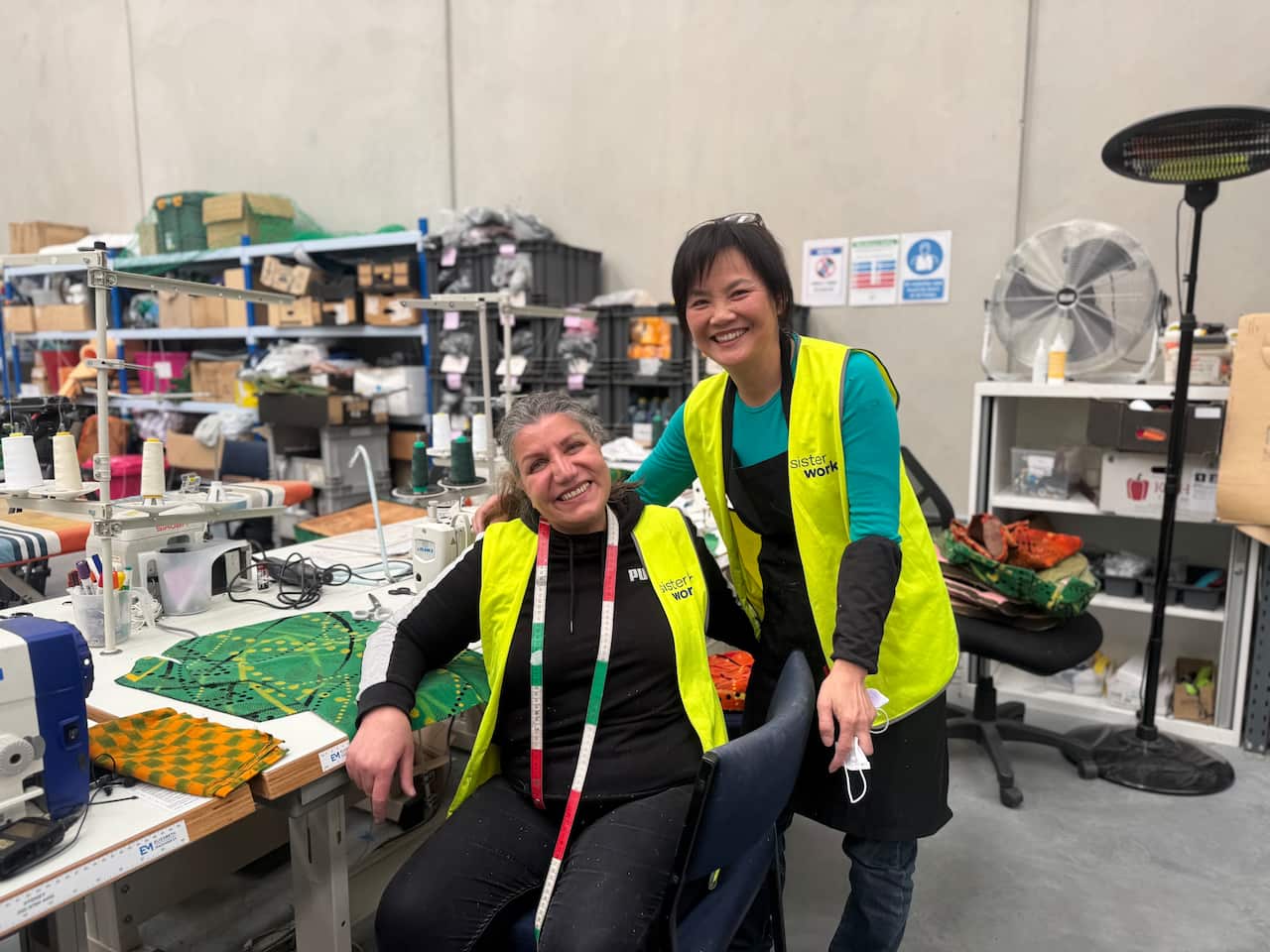
Ifrin Fittock, CEO of SisterWorks, said Farah’s journey reflects the barriers many migrant women face when entering the workforce. Source: SBS news
Over the past twelve years, SisterWorks says it has supported more than 3,500 women from 105 nationalities, providing tailored help based on each woman’s skills, background and ambitions.
“We love doing what we do because we’re trying to close the gap between what they do [migrant women] have, what they have done, what employers need, and that is how this system works,” she said.
‘Not just any chair’
A community partnership with Yarra Trams – which saw a specially wrapped tram transport SisterWorks’ mission around the city – eventually led to a social purchasing partnership between the two organisations.
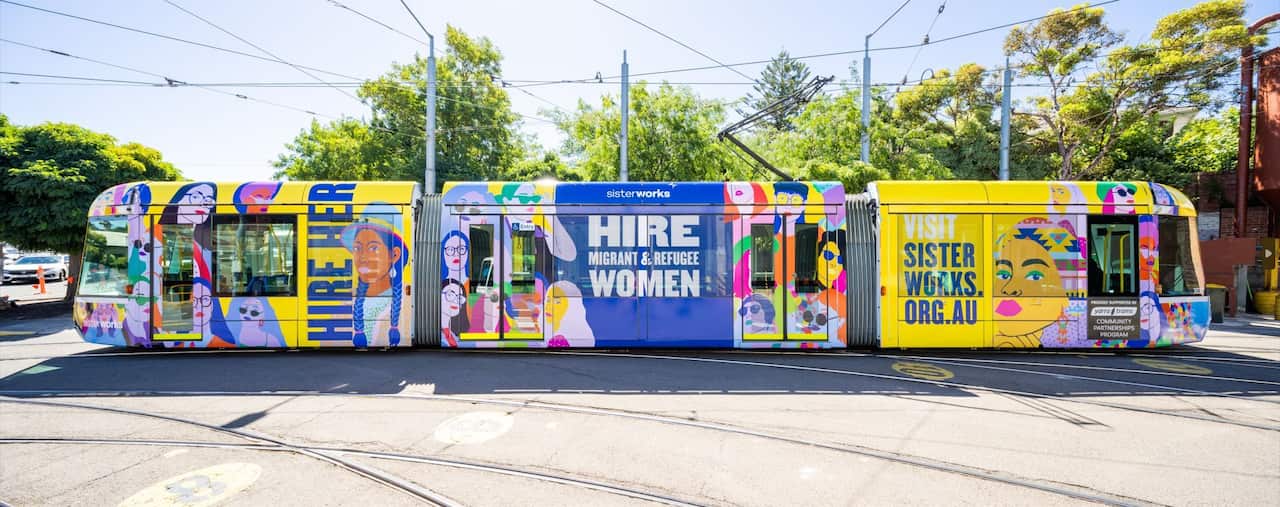
Through a community partnership with Yarra Trams, a custom-built tram showcased SisterWorks’ mission across the city. Source: Delivered / Yarra Trams
“After several discussions with Yarra Trams, we came across the tram seat renovation project, realizing that many of our sisters are crafty,” Fittock said.
On average, the women renovate around 70 chairs every month, which represents more than 1,500 hours of paid work and diverted more than 1.2 tonnes of waste from landfill in the past financial year.
“It’s our way of demonstrating that we can use taxpayer money to operate the streetcar network, to deliver value beyond dollars.”
Turning skills into infrastructure
“We really saw the potential to create not just work hours for them, but really meaningful work that they can see when they get on the streetcar… it allows them to be role models within their community.”
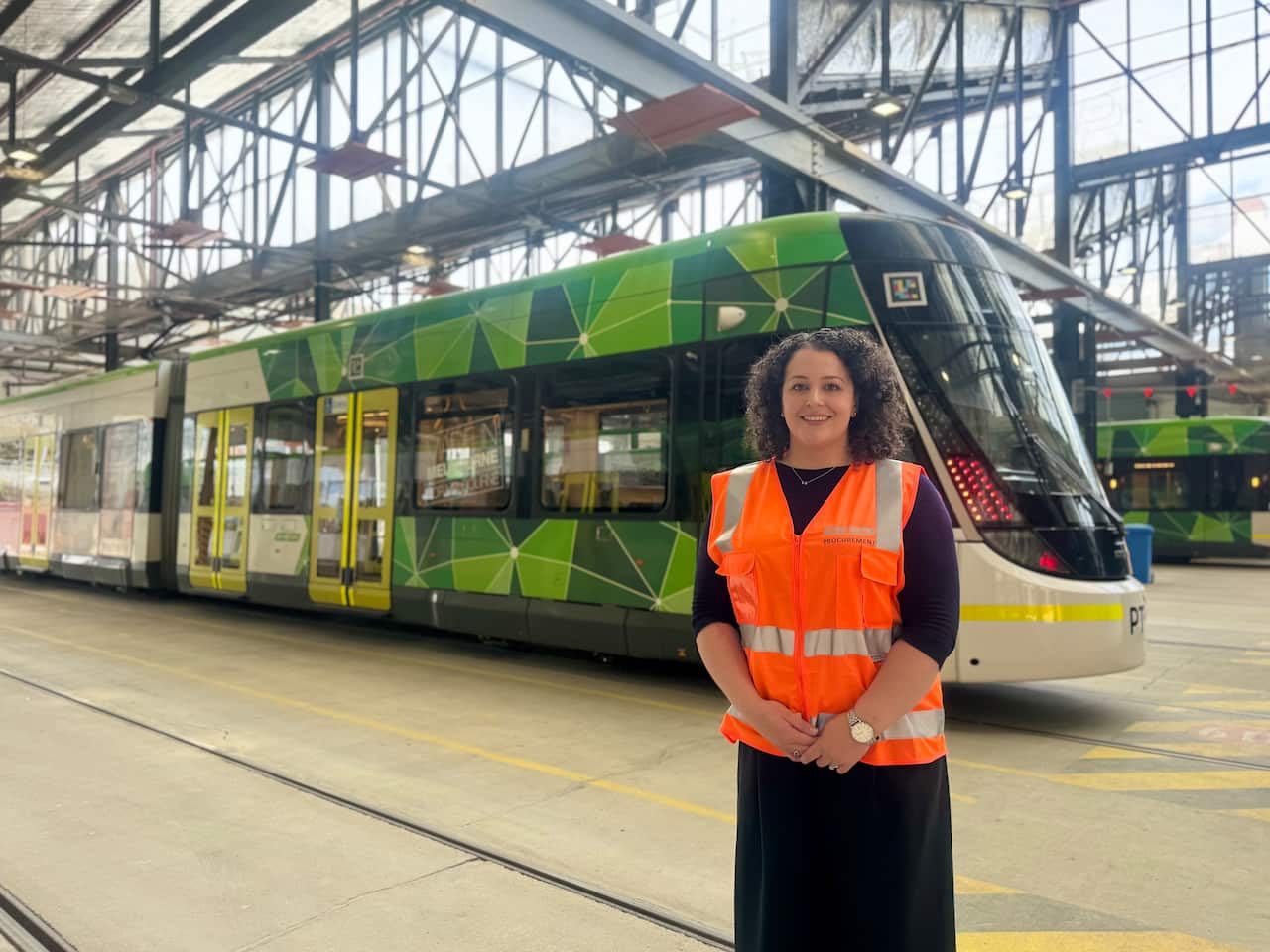
Yarra Trams social procurement manager Francesca Maclean says the partnership with SisterWorks shows how public institutions can create impact beyond their core services. Source: SBS news
Yarra Trams operates approximately 35,000 services each week and carries approximately half a million passengers daily, with seats in constant use.
“If your child spilled some food on the seat because they got a little hungry halfway through the trip, or if someone spilled water or coffee, this is the cause of the wear and tear,” Maclean said.
Care with every stitch
When a chair is damaged or stained, it is removed from circulation and sent to SisterWorks for a multi-step repair process. Depending on the damage, the sisters replace the fabric and foam and even test the chair for comfort until they are satisfied.
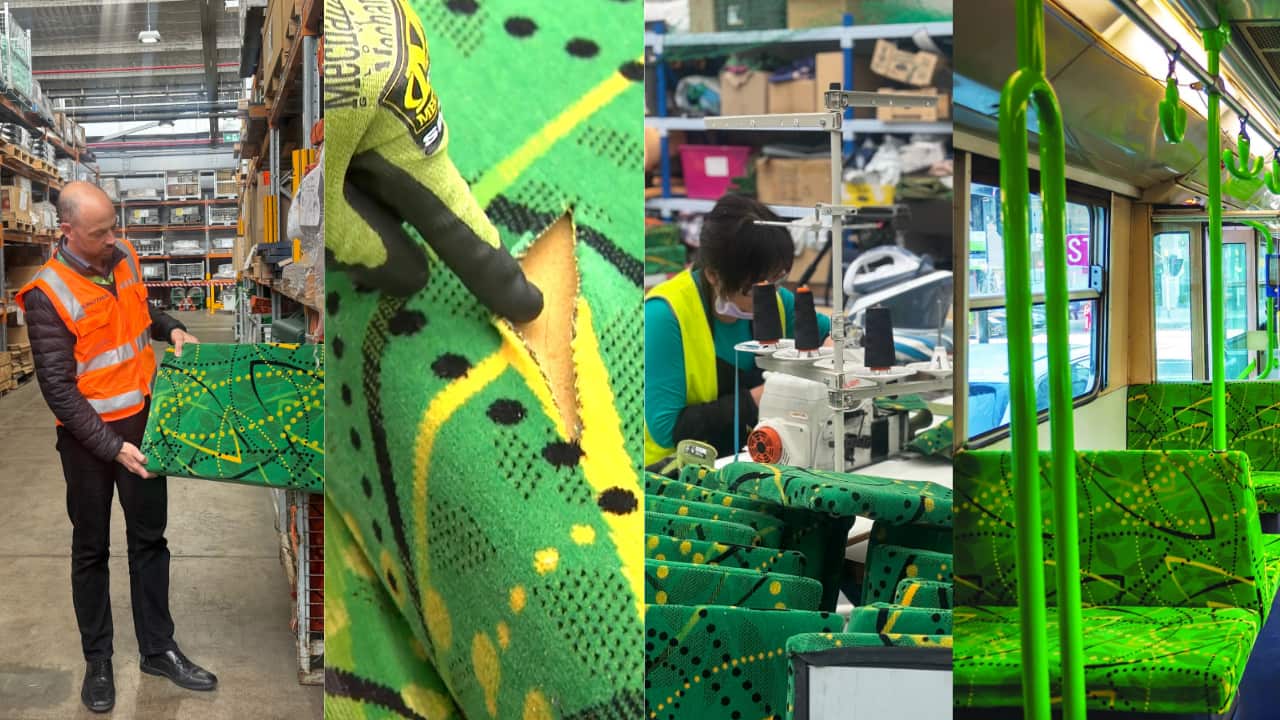
When a chair is damaged or stained, it is sent to SisterWorks for a multi-step repair process. Source: SBS news
‘They are literally sitting on it [the seats]we’re told, and we think, ‘Would I like to sit in this seat if I took a tram?’, which is great, right? It shows the care,” Maclean said.
#hidden #story #stitched #Melbournes #iconic #tram #seats