


A game of focus and presence

Unlike many sports that are driven by speed and adrenaline, golf requires deliberate concentration. Every shot requires attention, from analyzing the slope of the green to measuring wind speed and distance. This level of focus draws the mind away from everyday worries, allowing golfers to fully immerse themselves in the present moment. Scientific studies suggest that such focused attention can reduce stress and improve cognitive functioning, making golf not only fun but also beneficial for mental health.
The healing effect of nature

Golf courses are more than just sporting venues; they are carefully crafted landscapes of natural beauty. Trees, water features and open fairways provide a sensory escape that urban environments rarely offer. Exposure to natural environments has been linked to reduced anxiety, lower blood pressure and better mood. Golfers often report feeling a sense of renewal after a round, as if the serene environment has gently recalibrated their mind. The rhythmic walking between the holes further enhances this restorative effect, providing light aerobic exercise that stimulates endorphins and promotes a sense of well-being.
Meditation in motion

While traditional meditation often sits in silence, golf itself offers a moving meditation. Every swing, every putt, requires a combination of mental visualization and physical execution. The repetition of this process stimulates a meditative rhythm, promoting mental clarity and emotional balance. Even the quiet moments waiting for other players to take their shot can serve as mini meditative breaks, encouraging deep breathing and self-reflection.
Social connection without pressure
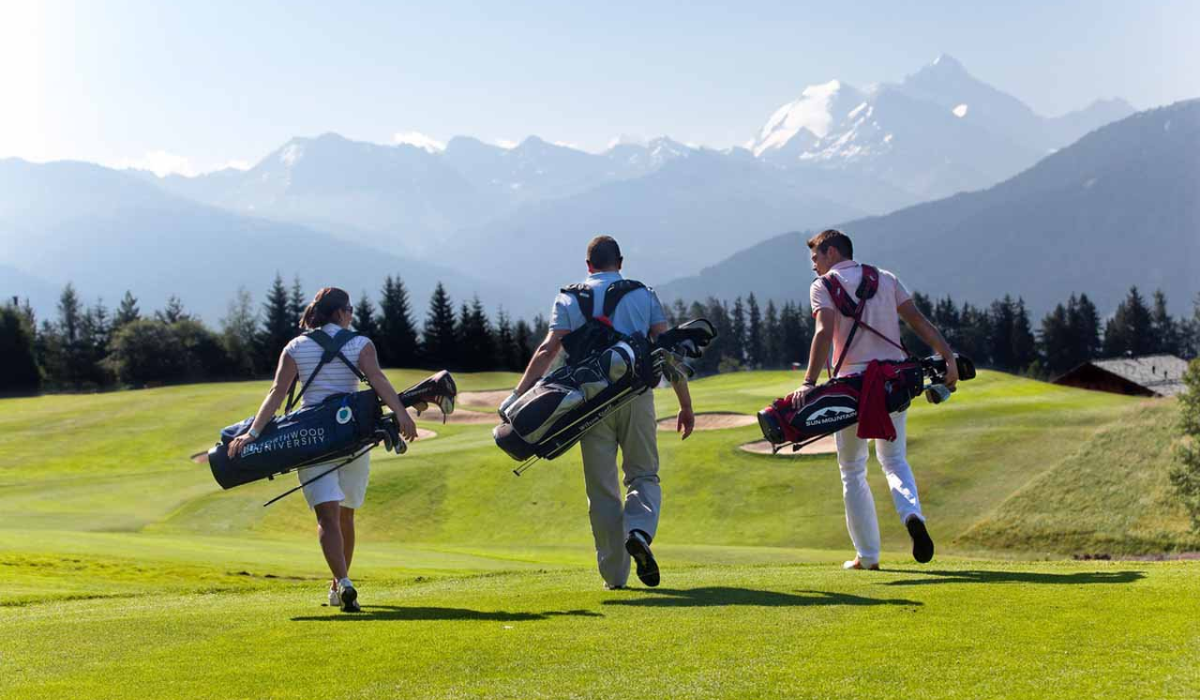
Another subtle aspect of golf’s appeal to mindfulness is its social dimension. The game creates meaningful connections with others in a calm, supportive environment. Unlike fast-paced team sports, golf encourages conversation, camaraderie and shared appreciation of the natural environment. Positive social interaction in a stress-free context further contributes to a sense of mental well-being, making the experience more than just a lonely escape.
A personal journey of patience and growth

Golf also teaches patience, resilience and self-awareness. The course’s challenges – unpredictable weather, tricky bunkers and challenging greens – reflect the unpredictability of life. By consciously dealing with these challenges, accepting setbacks without frustration and celebrating small victories, you cultivate emotional intelligence and mental strength. Over time, regular golfers often find that the skills honed on the course translate into greater focus, calmness and patience in their daily lives.
Conclusion

In an age of constant distraction, golf stands out as a rare opportunity to slow down and reconnect with oneself. It combines physical activity, natural beauty, social interaction and mental focus into an experience that refreshes both body and mind. Whether you’re a seasoned player or a curious beginner, hitting the golf course offers more than just a game: it offers a conscious escape from the pressures of modern life.
Essential etiquette for international golf
How to build strength for golf
#golf #ultimate #mindful #escape #Square #Blog