

Did you know that there are two types of fat? One that is clearly visible on your body, such as around your quads or stomach. It’s the fat under your skin that you can feel when you squeeze it. That type is called subcutaneous fat.
But did you know that the other type of fat, called visceral fat, is much more dangerous?
Visceral fat hides deep in your abdomen, wrapping around your organs and lining your abdominal walls. A little visceral fat is normal and even healthy, because it cushions and protects your inner organs. However, drinking too much is harmful and increases the risk of cardiovascular disease.
Here’s the good news: Visceral fat is easier to lose than subcutaneous fat. Healthy habits not only help reduce this type of fat, but also make you feel better.
What is Visceral Fat: The Hidden Fat That’s Damaging Your Health
Visceral fat consists of fat cells that are sensitive to hormones. These can affect the way your body uses and stores fat. One of these hormones is cortisol, the stress hormone. Too much cortisol can cause your body to replenish its stores of visceral fat.
If you have too much visceral fat, it can increase your risk of heart disease, diabetes and high cholesterol. Generally, if your waist is 35 inches (for women) or 40 inches (for men)Then there is a good chance that you have too much visceral fat.
The buildup occurs due to stress, poor sleep, sitting for long periods of time and excessive calorie intake. But! Because it breaks down faster than regular fat, it’s easier to tackle.
So what can you do?
Step 1: Move Your Body Daily (But Not How You Think)
As you know, you cannot reduce fat on your body. Losing fat is a general process. Endless crunches targeting belly fat won’t reach the visceral fat deep in your torso.
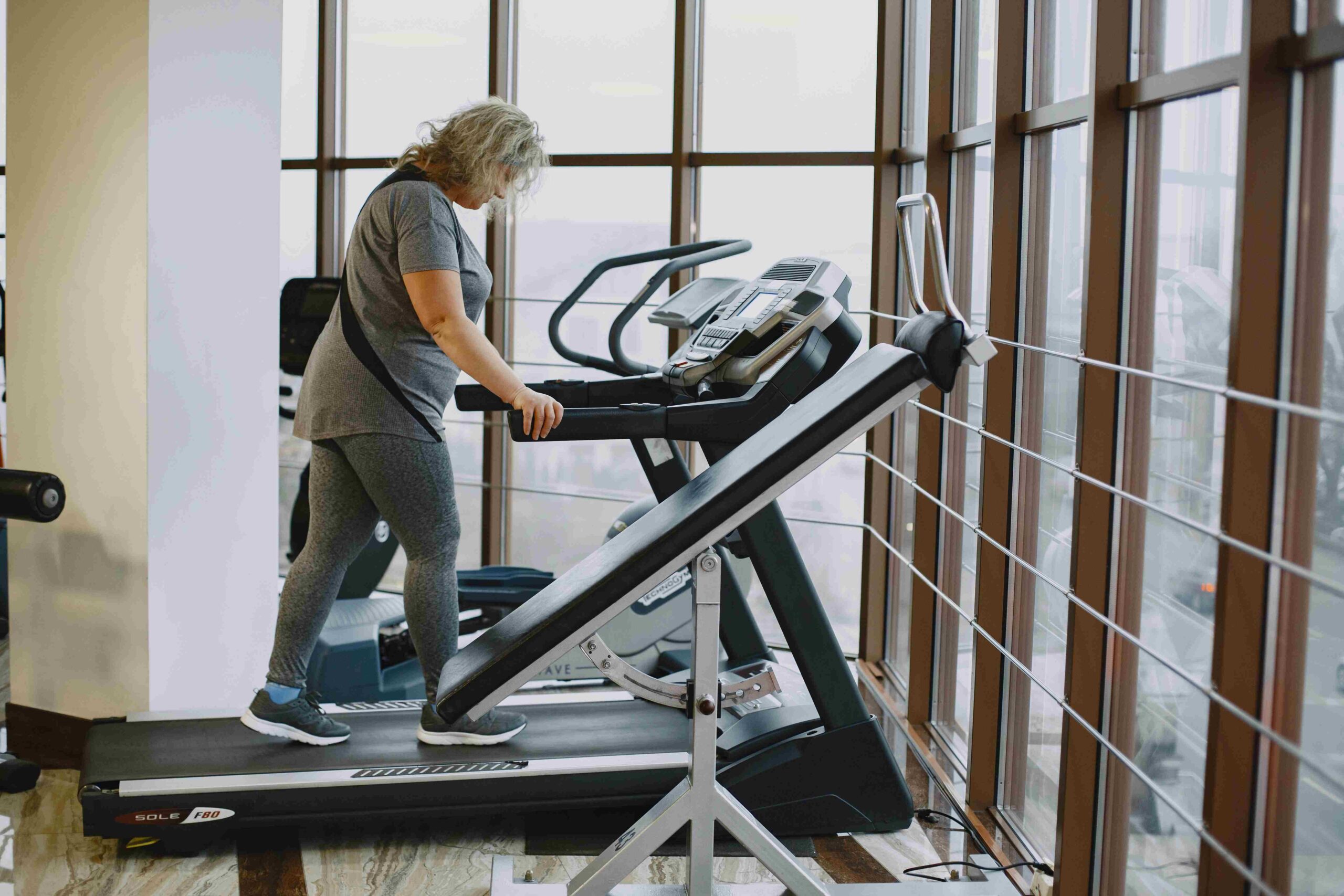
Instead, add a combination of cardio and strength training to your routine. Consistency is the key word here. Start with 30 minutes of moderate activity, 3-5 times a week.
For cardio, you can walk briskly, cycle, swim or even just dance in your living room. No one said cardio had to be serious.
You don’t need heavy weights or even a gym for strength training. Start with bodyweight exercises such as push-ups, squats and planks.
Also consider high-intensity interval training (HIIT). These workouts involve short bursts of intense exercise and recovery periods. For example, alternate 30 seconds of jumping jacks with 30 seconds of rest for five rounds.
15-20 minutes can be effective for burning visceral fat.
Exercise should be a habit and even a lifestyle change. Take the stairs at work, park in the back of the parking lot and walk during your lunch break. These small changes add up quickly!
Receive practical tips and evidence-based advice on how to lose fat effectively and sustainably for men for long-term results.
Step 2: Eat to Beat Visceral Fat
You’ve heard that abs are made in the kitchen, and when it comes to reducing visceral fat, this couldn’t be more true. You don’t have to switch to a complicated diet. You can make smart swaps and build consistent habits.
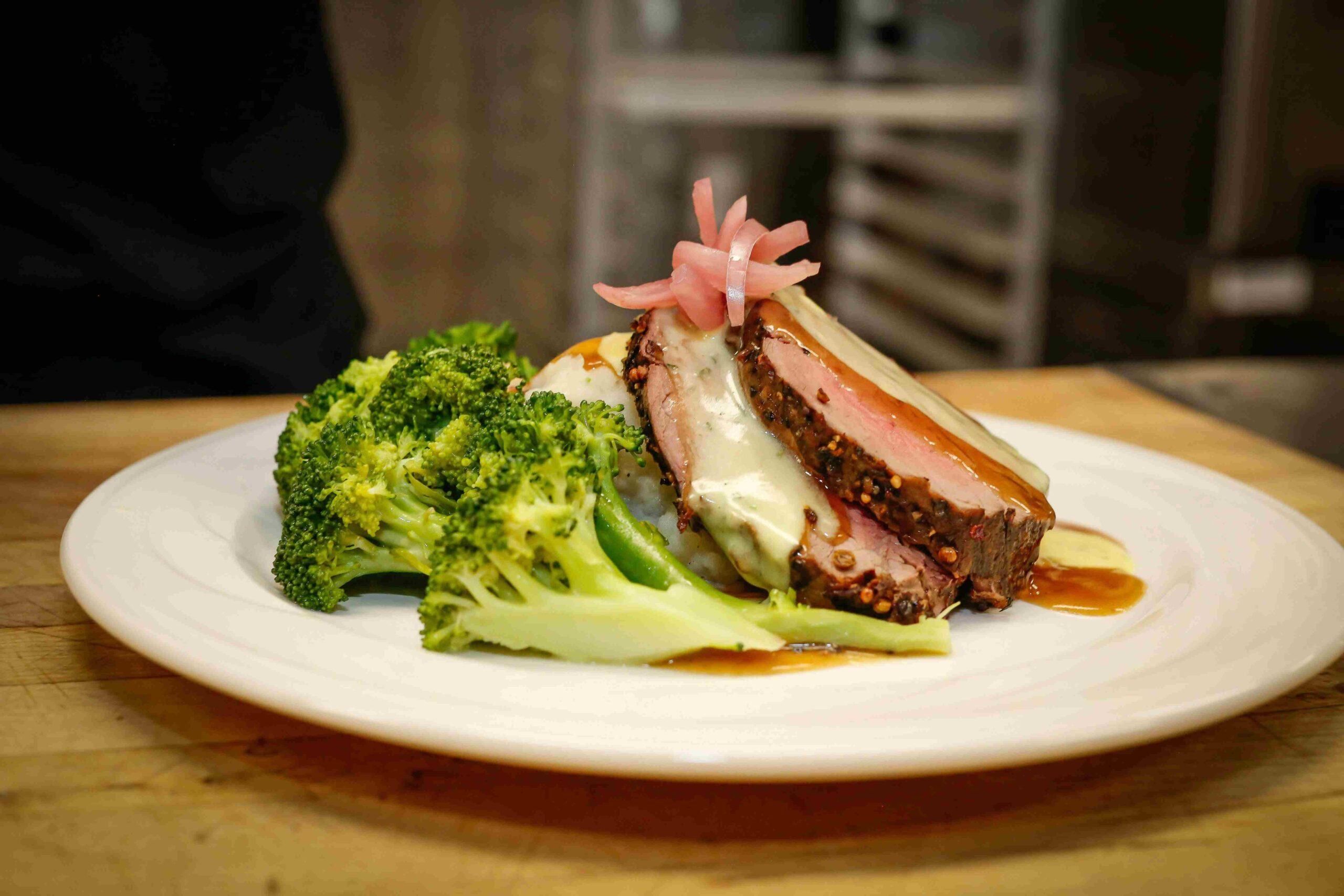
You want to focus on whole foods, such as:
- Lean proteins – chicken, fish, eggs, beans
- Lots of vegetables – half your plate if you can
- Whole grains – oats, quinoa, brown rice
- Healthy fats – avocados, nuts, olive oil
- Fruit – especially berries packed with antioxidants
Some foods promote the growth of visceral fat. Try to avoid the following:
- Trans fats – found in baked goods and fried foods
- Refined sugars
- High fructose corn syrup
- Alcohol
- Highly processed foods
Another option is intermittent fasting. Some research shows that eating within a specific window can help reduce visceral fat. Calcium and vitamin D can also help reduce visceral fat. Discover leafy greens, dairy products, sardines and tofu.
Portion control can be difficult, so try smaller plates, eat slowly and stop when you are satisfied.
You want these changes to be sustainable, so make them slowly and thoughtfully so they last in the long term.
Step 3: Master your sleep game
Poor sleep messes with your hormones, especially the hormones that control hunger and your metabolism. This means that skipping a good night’s sleep will sabotage your efforts.

Your goal should be 7-9 hours of high-quality sleep every night. Keep in mind that sleeping too much can also be problematic.
Create a sleep-friendly environment to promote better sleep. This may include:
- A cool, dark bedroom
- No screen time an hour before bedtime
- Stick to a consistent sleep schedule, even on weekends
- Avoid large meals and alcohol close to bedtime
It helps build a nightly relaxation routine, such as reading, stretching or meditation. The trick is to let your body know it’s time to rest.
Address the root causes of your sleep problem. Stress, anxiety, or too much caffeine late in the day can disrupt your sleep quality.
Step 4: Tackle stress head-on
Chronic stress is also a problem. When you are constantly stressed, your body produces cortisol, which, as you know, promotes the storage of visceral fat. It also makes you crave sugary and fatty foods.

The first step is identifying your stressors. Examples of this are work stress, financial worries or relationship problems. Once you know, identify strategies to combat the extra stress.
Add stress-relieving activities to your daily routine, such as:
- Five minutes of concentrated breathing
- Mediation and mindfulness apps
- Yoga
- A walk in nature
- Spend time on your hobbies or activities that bring you joy
A few other tips are to set boundaries and prioritize connecting with others. Your social support system can help prevent unnecessary anxiety.
Finally, consider professional help. A therapist can provide you with targeted resources and support.
The goal is not to eliminate all stress; that’s next to impossible. It is to better manage your stress.
Step 5: Track Your Progress (Off Scale)
A scale won’t give you the full picture of your health, so use other methods to track your progress.
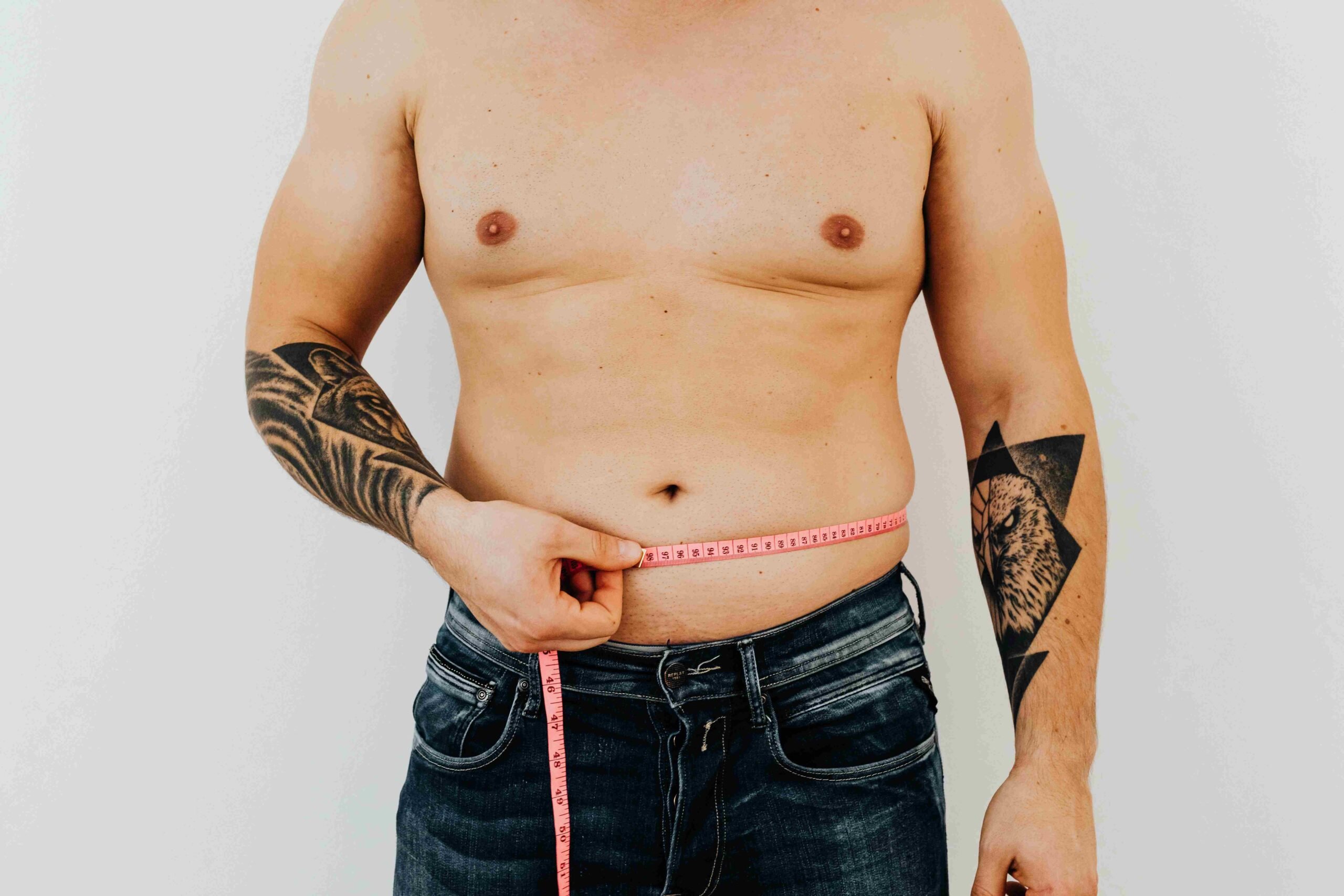
- Use a measuring tape. Measure your waist at the level of your belly button. Even a reduction of a few centimeters can significantly reduce your health risks.
- Pay attention to how you feel. Do you sleep better? Have more energy? Try on clothes differently? These are all signs that you are losing visceral fat. Track habits, not results.
- Consider having lab work done. Blood tests can give you medical feedback about your progress. Look for improvements in your cholesterol, blood sugar, and inflammatory markers. Your medical professional can better help you understand your results.
- Be patient with yourself. It usually takes two to three months for significant changes to occur, so be patient. Instead, focus on consistency.
Learn the essential steps to kick-start your fitness journey with this guide on how to start exercising the right way.
Final thoughts
Getting rid of your belly fat won’t happen overnight. But it will happen if you change your habits and consistency. Start with one or two changes per week and build from there.
Be patient with yourself and celebrate the small victories as you progress on your health journey. Before you know it you will have more confidence in your healthier body!
#Visceral #Fat #Dangerous #Ways #Lose #Fast