

The shrinking map of the sport of kings
By Jonathan Stettin, Beyond the Wire – Horse Racing Dissected and Delivered
In my opinion, Humphrey Bogart said it best:
This is the stuff dreams are made of
As a lifelong race tracker with it literally in my blood, I thought it applied to the Sport of Kings. Buy a yearling at Saratoga, the stuff dreams are made of, put that huge pick 6 carryover ticket in it, this is the stuff dreams are made of, get that job in that barn you dreamed of, what dreams are made of, get that coveted track job, again, the stuff dreams are made of. Win a Grade 1, a Triple Crown, the stuff dreams are made of. Who would have thought it was a nightmare!
It was the kind of dream you could smell and feel in the mud in the stands. Lately, it feels more like they’re being buried under apartments, shopping centers and mixed-use business developments. Every time another race track goes dark, a little more of the game’s heartbeat fades into the past. I’ve seen it happen too many times, and it never gets easier.
When the gates closed for good
Hollywood Park – it still stings. It wasn’t just any race track; it was a palace of racing kings. Citation, Seabiscuit, Zenyatta, horses that defined generations, walked under those palm trees. I remember the way the sun shone on that stretch in the afternoon, and how the place had an energy all its own. One day the bulldozers came and that sacred ground became a football stadium. Some called it progress. I called it heartache. After all, I saw the very first Breeders’ Cup there and who would have imagined that a football stadium would be built on that day.
Arlington Park — Arlington was elegance. It was the place where horse racing met high society without losing the working-class soul. The fire in ’85 almost ended it, but they rebuilt it, stronger and more beautiful than ever. The Arlington Million made global headlines as. the first million-dollar race in North America, a symbol that our sport could think big. The inaugural run didn’t disappoint either, John Henry and The Bart, the camera barely able to separate them so much so that the broadcast backed the wrong horse. And now? Away. Swallowed by the Chicago Bears and another ‘development plan’. A crown jewel lost to concrete.
Calder and Hialeah – both Florida legends, both victims of time and greed. Calder had that raw, working-class charm, the kind of place where you could smell the liniment and hear the real horseplayers talk. Hialeah, on the other hand, was pure art deco romance. Flamingos, fountains, Cuban coffee and some of the most beautiful architecture in all of the sport. When you walked through those gates you stepped into history, and like so many things in racing, history didn’t seem to be enough to keep it alive.
Even Pimlico, home of the Preakness, wasn’t safe. It has survived wars, riots and politics, and has been patched up more times than an old saddle. Until it wasn’t anymore. They talk about “redevelopment” like it’s a promise, but we all know what that usually means.
The real estate race
Let’s call it what it is: race tracks are located on gold mines. Most were built decades ago, long before anyone could imagine how valuable the land beneath them would become. Developers look at the acreage, not the atmosphere. They see square footage, not history. The money is no longer in the horses; it’s in what you can build where the horses used to walk. Race tracks losing money without racinos or subsidies don’t help.
The Stronach Group, say what you will, saw this coming. You have to wonder why the new Gulfstream was built too small to ever host a Breeders’ Cup, despite being a prime location. When they started pushing for decoupling, separating casino revenues from racing obligations, they told everyone listening that Gulfstream Park was on borrowed time. If there is no longer a need for racing to justify the slots, the business case for keeping the track open evaporates. By my educated guess, Gulfstream, at about 9 million acres, is probably worth a billion dollars on the open market. Who wouldn’t look at the cash out option? No one whose brain does more than separate their ears. I’ve heard that Mike Repole has offered 500 million for it and while anyone who loves racing, myself included, should applaud the effort to keep it alive, that might be half of what the facility is actually worth.
Last man standing
If that day ever comes, Tampa Bay Downs would remain the Florida Racetrack. Think about that. The same track that has quietly been a winter paradise for riders and serious players could suddenly be the sole torchbearer for racing in Florida. I love Tampa, they have stayed true to the game, but when that day comes it will mark another seismic shift in a sport that is already losing too much ground. Can Tampa Bay Downs support racing in Florida on its own? I don’t know and I hope I don’t have to find out. Their 100th anniversary is just around the corner and I’d say you wouldn’t be straying from basics to call them “The Florida Racetrack” of today. They certainly have the best turf court in the state.
California dreams… or fades?
In the West the story is the same. Santa Anita, the Great Race Ground, is still beautiful, but the stands feel thinner and the whispers louder. The purses are smaller, the schedule is shorter, it’s hard to fill even small cross country races and you can feel the uncertainty in the air.
Golden Gate Fields and Bay Meadows are already gone, erased from both geography and memory. Once upon a time there was a circuit that could rival New York’s. Now it’s a battle to keep one song viable, and even that feels like a battle against the inevitable. Santa Anita, like Gulfstream Park, is also owned by The Stronach Group, controlled by Belinda Stronach, who most believe wants to retire from racing and that view is supported at least on the surface. by some of her actions. Imagine real estate on the open market. Different players and location, same question: Can Del Mar support racing in California in its lonely and isolated self?
Who’s next
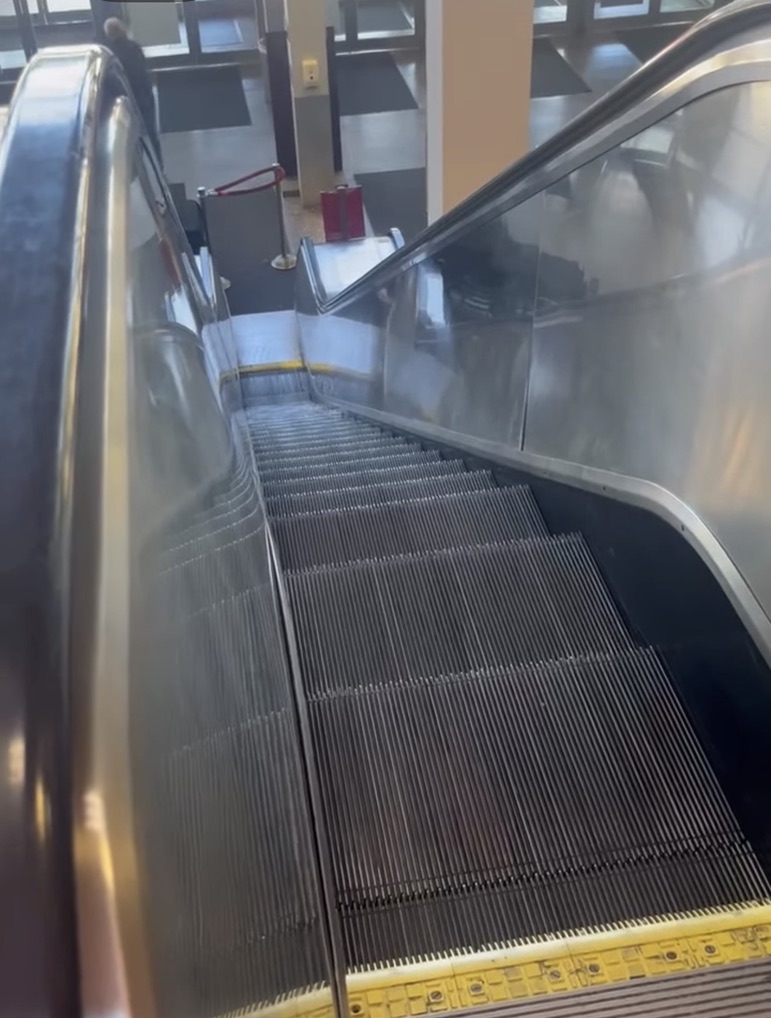
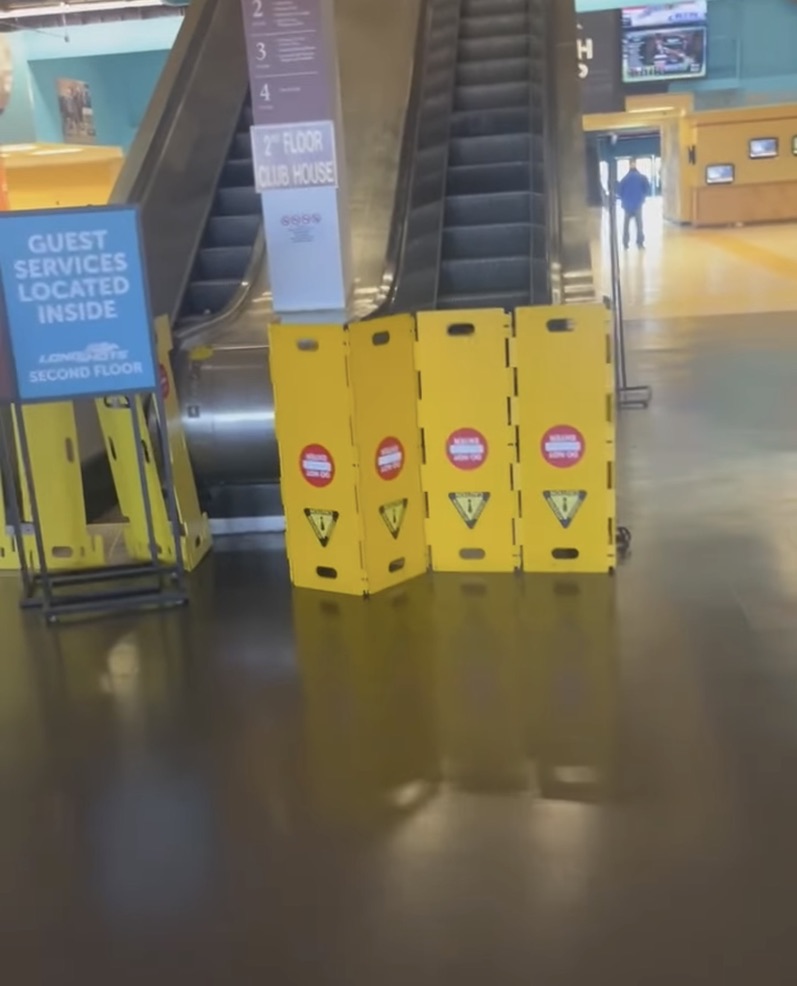
Although it’s official now, the new Aqueduct has been on life support for most of us for a while. That plug will be pulled once the new Belmont is built. The Big A will be the Gone A. Secretariat, Forego, Ruffian, they all raced there.
What’s next for the game?
Even Saratoga and Churchill Downs, two strongholds in the game for now, have days when you can fire a cannon into the stands without hitting anyone.
Here’s the uncomfortable truth: If we keep losing the race tracks, we’re losing the foundation of the sport. If we continue to rely on CAWs, the computer-aided betting whales that fire millions through ADWs, we might end up mortgaging the future after all. Racing has always been two things: a spectator sport and a gambling sport.
Kick out the CAWs, and where does that handle come from? Who replaces that money? We desperately need it, but the imbalance between retail players and algorithmic players is stifling the ecosystem.
Maybe it’s time to admit that racing needs to reinvent itself from the ground up, or we’ll continue to see this terrain morph into something completely different. Because at this rate, one day there may no longer be any circuits that need to be closed.
Oh yes, if there are no race tracks, there is no thoroughbred breeding either. Hopefully the alarm goes off soon. Even if it does, the right people need to be woken up, whoever they are.
#shrinking #map #sport #kings