

Remembering to take medication sounds simple. However, missed doses put people at serious health risk every day. That’s why engineers at the Massachusetts Institute of Technology (MIT) have designed a pill that confirms when someone swallows the pill. As a result, doctors could monitor treatment more closely and patients could more easily stay on schedule. At the same time, the pill is safely broken down in the body, which helps reduce the long-term risk.
Sign up for my FREE CyberGuy Report
Get my top tech tips, urgent security alerts, and exclusive offers straight to your inbox. Plus, you’ll get instant access to my Ultimate Scam Survival Guide – free when you join my CYBERGUY.COM newsletter.
FDA clears first at-home brain device for depression
How MIT’s smart pill works
The new system fits into existing pill capsules. It uses a small, biodegradable radio frequency antenna made of zinc and cellulose. These materials already have strong safety records in medicine. This is what happens step by step:
- You swallow the capsule as usual
- The outer layer dissolves in the stomach
- The pill releases both the drug and the antenna
- The antenna transmits a radio signal to confirm the intake
This entire process happens in about 10 minutes. An external receiver, possibly built into a portable device, detects the signal up to a distance of six meters.
Designed to break down safely
Previous smart pill designs relied on components that remained intact as they passed through the digestive system. That raised concerns about long-term safety. The MIT team took a different approach. Almost all parts of the antenna break within a few days in the stomach. Only a small, standard RF chip remains, which passes naturally through the body. According to lead researcher Mehmet Girayhan Say, the goal is clear. The system avoids prolonged build-up and still reliably confirms that a pill has been taken.
Who could benefit most from this technology?
This smart pill is not intended for every prescription. Instead, it focuses on situations where missing medications could be dangerous. Potential beneficiaries include:
- Organ transplant patients taking immunosuppressants
- People with chronic infections such as tuberculosis or HIV
- Patients with recent stent procedures
- Persons with neuropsychiatric disorders
For these patients, compliance can mean the difference between recovery and serious complications.
GROUNDBREAKING DEVICE PROMISES TO DETECT GLUCOSE WITHOUT NEEDLES
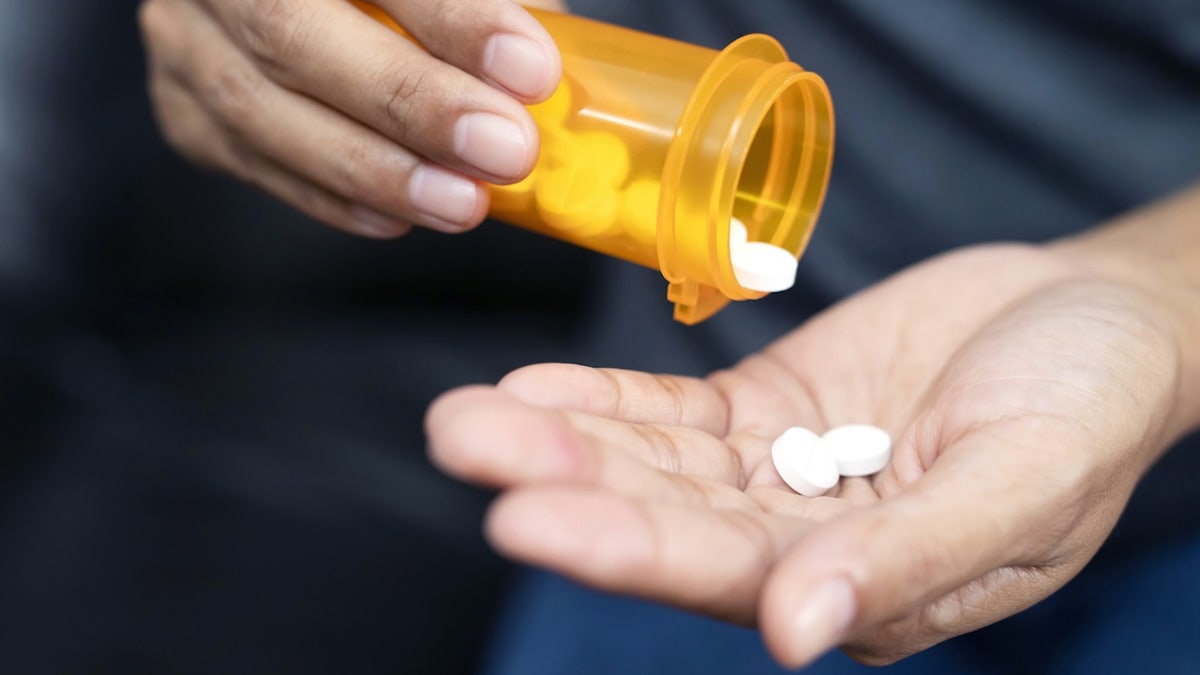
The MIT capsule uses layered materials, including gelatin, cellulose and metals such as molybdenum or tungsten, to prevent an RF signal from being sent outside the body. (iStock)
What researchers say about the breakthrough pill
Senior author Giovanni Traverso emphasizes that the focus is on the patient’s health. The goal is to support people, not control them. The research team published its findings in Nature Communications and plans further preclinical testing. Next, human trials are expected as the technology gets closer to real-world use. This research was funded by Novo Nordisk, MIT Department of Mechanical Engineering, Brigham and Women’s Hospital Division of Gastroenterology, and the US Advanced Research Projects Agency for Health.
Why treatment compliance remains a major problem
Patients who fail to take medications as prescribed contribute to hundreds of thousands of preventable deaths every year. It also adds billions of dollars to healthcare costs. This problem hits hardest when patients have to undergo consistent treatment for long periods of time. This includes people who have undergone organ transplants, patients with tuberculosis and people suffering from complex neurological disorders. For these groups, missing doses can have life-changing consequences.
10 HEALTHTECH PRODUCTS STEAL THE SPOTLIGHT AT CES 2026
Once safely in the stomach, the pill can be activated and communicate internally, reducing privacy risks while allowing for more accurate medical tracking. (iStock)
What this means for you
If you or a loved one relies on critical medications, this type of technology can add an extra layer of safety. It can reduce the guesswork for doctors and ease the burden on patients managing complex treatment plans. At the same time, it raises important questions about privacy, consent and the way medical data is shared. Any future rollout will need strong safeguards to protect patients.
For now, until this technology becomes available, you can still stay on track by using the built-in tools on your phone. We list the best ways to track your medications on iPhone and Android in our step-by-step guide.
Take my quiz: How safe is your online security?
Do you think your devices and data are really protected? Take this quick quiz to see where your digital habits stand. From passwords to Wi-Fi settings, you get a personalized overview of what you’re doing well and what needs improvement. Take my quiz here: Cyberguy.com
CLICK HERE TO DOWNLOAD THE FOX NEWS APP
Kurt’s most important insights
A pill that confirms it has been swallowed may sound futuristic, but it addresses a very real problem. By combining simple materials with smart technology, MIT researchers created a device that could save lives without remaining in the body. As testing continues, this approach could reshape the way drugs are monitored and delivered.
Would you feel comfortable taking a pill that notifies you when you take it if it would produce better health outcomes? Let us know by writing to us at Cyberguy.com
Sign up for my FREE CyberGuy Report
Get my top tech tips, urgent security alerts, and exclusive offers straight to your inbox. Plus, you’ll get instant access to my Ultimate Scam Survival Guide – free when you join my CYBERGUY.COM newsletter.
Copyright 2026 CyberGuy.com. All rights reserved.
#Smart #pill #confirms #medication #swallowed