

RCB retained 17 players; they entered the auction with eight vacant slots and a purse of INR 16.40 crore, one of the lower budgets among teams. They released some big names including Liam Livingstone and Lungi Ngidi, along with Manoj Bhandage, Mayank Agarwal, Mohit Rathee and Sachin Baby. RCB signed eight players at the auction in Abu Dhabi. The biggest purchase was all-rounder Venkatesh Iyer for INR 7 crore, finally securing a player they had chased hard in previous auctions. They also added Jacob Duffy as fast bowling cover, Mangesh Yadav as left-arm pace option, and Jordan Cox.
Strengths
RCB’s greatest strength is the balance in the team. Most of their title-winning squad remains the same, reducing the risk of combination problems early in the season. The batting core of Virat Kohli, Phil Salt, Rajat Patidar and Tim David has covered all the bases. The addition of Venkatesh Iyer strengthens the Indian batting core and offers flexibility at No. 3 or No. 4, along with a seam bowling option if required.
In the bowling, Josh Hazlewood and Bhuvneshwar Kumar once again form a deadly duo and pick up where they left off. In addition, RCB has several all-rounders such as Krunal Pandya and Romario Shepherd, which allows them to create the right combinations.
Weaknesses
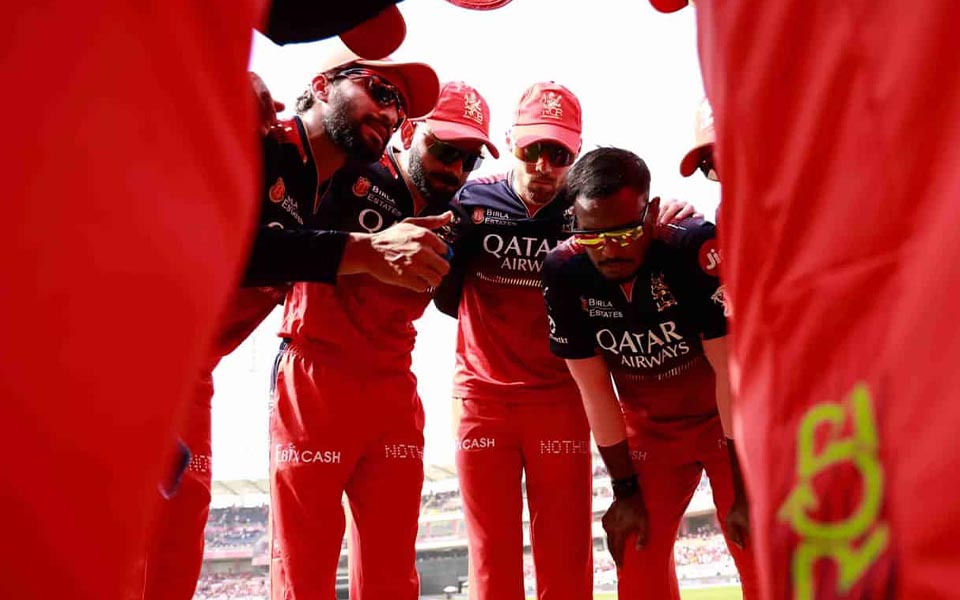
RCB’s main weakness lies in its fitness issues in fast bowling. Josh Hazlewood’s injury history remains a major concern for the defending champions, and Yash Dayal has not played competitive cricket for a long period. While Jacob Duffy and Mangesh Yadav are seen as cover, they lack experience in the IPL. Any long-term injury to first-choice pacers could expose this depth.
Another area of concern is the lack of a clear second-line spinner. Suyash Sharma is effective but it is not correct to say whether he could repeat the same performance as last year. Furthermore, RCB relies on part-time or defensive spin options. On slower fields like Raipur this can be a problem. If there is a dip in form or workload, RCB may struggle to find equivalent replacements.
Possibilities
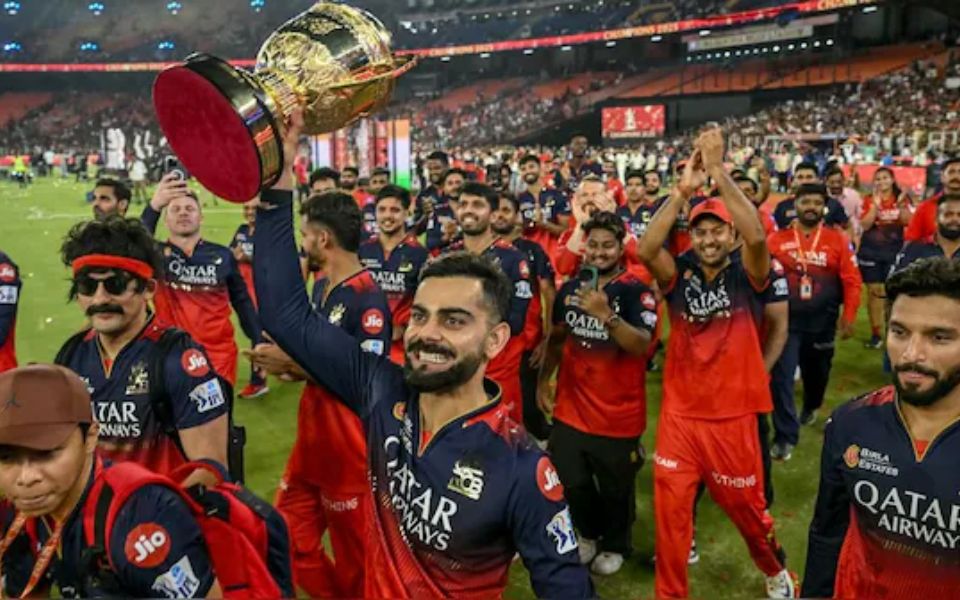
Playing home matches in Raipur and Navi Mumbai gives RCB another opportunity. Unlike Chinnaswamy, these venues are less batting-friendly, which could help RCB’s bowling unit, especially seamers who rely on movement. If RCB adapt faster than their opponents, this shift in location could work in their favor.
Venkatesh Iyer also has a great chance to revive his IPL career. With less pressure compared to his previous high price tag, he can play a freer role and become a crucial contributor. Young players like Mangesh Yadav, Jordan Cox and Suyash Sharma will get an opportunity to establish themselves under a strong leadership group.
Threats
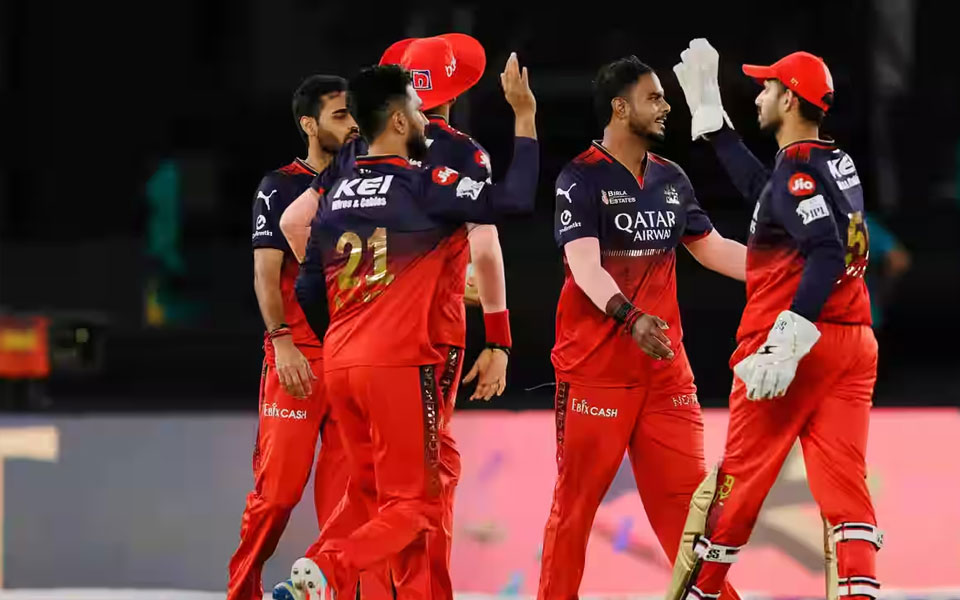
The biggest threat to MI is an over-reliance on their senior players. Rohit, de Kock, Boult and Santner are all on the wrong side of thirty. Any drop in form can affect MI performance. Other teams have notably stronger benches. MI’s limited auction spending has led to a lack of comparable replacements.
The biggest threat for RCB is the challenge of defending the title. Historically, IPL champions have struggled to repeat their success as opponents well understand their strengths. RCB will face every team’s best-laid plans. The absence of Chinnaswamy Stadium is another major threat. RCB’s home dominance was built around familiar conditions and strong crowd support. Neutral locations can reduce that psychological advantage.
Royal Challengers Bengaluru squad for IPL 2026
Rajat Patidar (c), Virat Kohli, Devdutt Padikkal, Phil Salt, Jitesh Sharma, Krunal Pandya, Swapnil Singh, Tim David, Romario Shepherd, Jacob Bethell, Josh Hazlewood, Yash Dayal, Bhuvneshwar Kumar, Nuwan Thosehara, Rasikh Salam, Abhinandan Singh, Suyash Sharma, Venkatesh Iyer, Mangesh Yadav, Jacob Duffy, Satwik Deswal, Jordan Cox, Vihaan Malhotra, Kanishk Chouhan, Vicky Ostwal
#Royal #Challengers #Bengaluru #SWOT #Analysis #IPL #Royal #Challengers #Bengaluru #SWOT #Analysis