

Despite having access to funds and even preparing to activate Antoine Semenyo’s £65 million release clause before Manchester City steps in, the club’s hierarchy has decided to stick firmly to its long-term rebuilding strategy.
This shift in approach paved the way for Man City to secure Semenyo, who completed his transfer earlier in the window after choosing Pep Guardiola’s project over four other Premier League prospects.
Why Man United refuse to spend money in January
United’s leadership structure strives to avoid what they consider the “panic buying culture” that has defined previous regimes.
The January transfer market is seen internally as a period in which clubs overspend, act reactively and make emotionally driven decisions that rarely align with long-term planning.
Although there is money available, United’s hierarchy believe that January is not the right time to make any major moves, especially as the club undergoes another management transition.
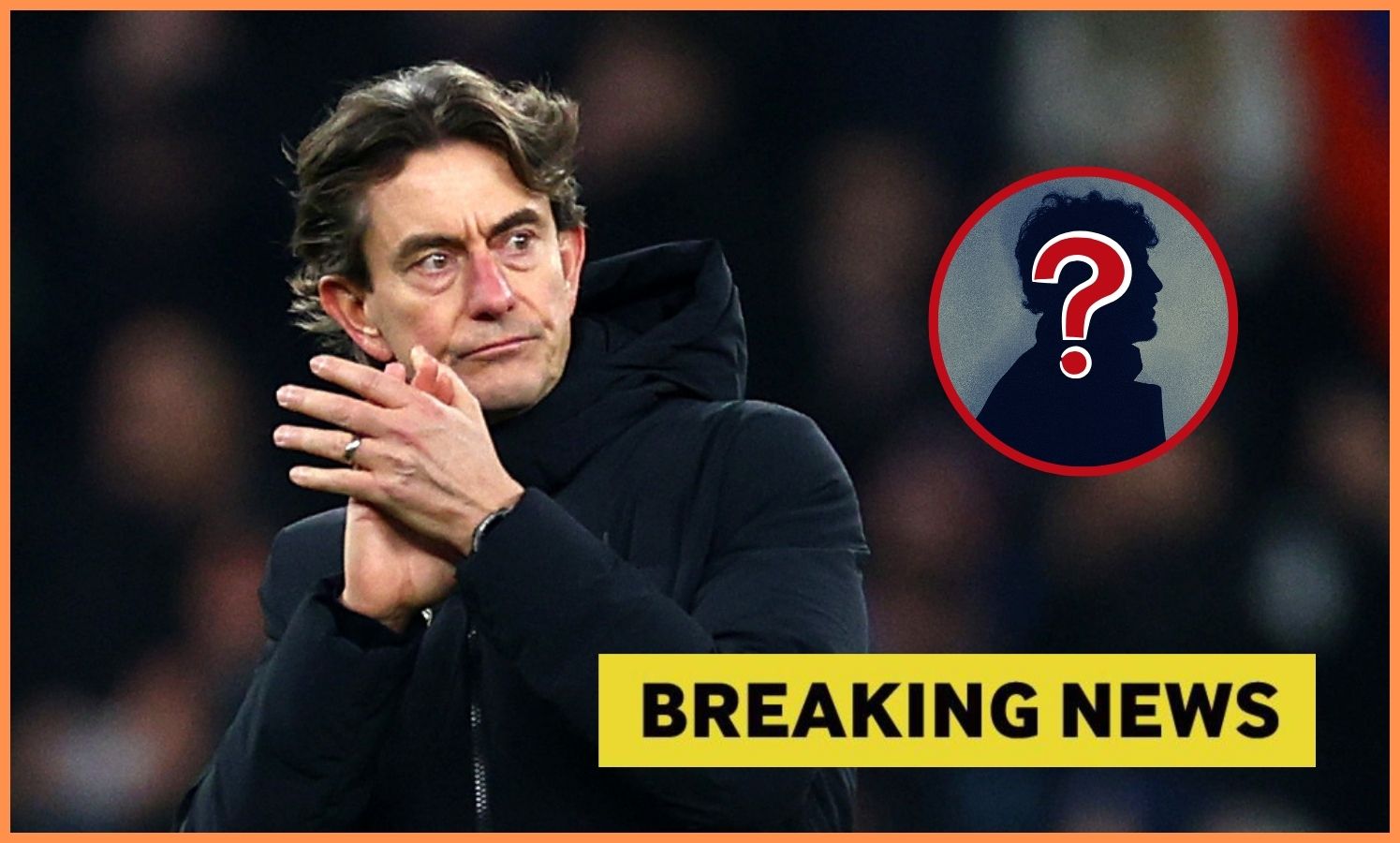

The arrival of Michael Carrick has changed the club’s plans

With Michael Carrick appointed as interim manager until the end of the season, the club’s focus has shifted to internal review.
United want to give Carrick time to work with the squad before deciding which areas require investment.
Executives believe the squad still contains several players with untapped potential and want the final months of the season to serve as a “live audit”.
After spending more than £250 million on six signings last year, United plan to earmark their next big financial commitment for the summer.
The summer also gives the club the opportunity to hire a permanent manager, whose tactical idea will have a major impact on recruitment.
Arsenal make contact for midfield wonderkid, Chelsea and Man United are also circling
#Man #United #unpopular #decision #January #window #disappoint #fans