

This article may contain references to products or services from one or more of our advertisers or partners. We may receive compensation when you click on links to those products or services. Nevertheless, our opinions are our own.
The information in this article is accurate to the best of our knowledge at the time of publication. However, information is subject to change and no guarantees are made as to the continued accuracy or completeness of this content after the date of publication.
New opportunities and problems will arise when you start a small business in 2025. This year is a good time for entrepreneurs as digital tools are easier to obtain and people are more willing to support local or independent businesses. Changes in the economy, remote work and a growing need for personalized services are all changing the landscape. But it remains important to plan well, take costs into account and follow the rules. It gives you a complete list of what you need to do to start a small business, such as how much it costs on average, what costs are common, what the law says you have to do, and which industries are in high demand. The information below is intended to help people start a business that will last into 2025, whether they want to open a store or start a work-from-home service.
Average Cost to Start a Small Business
Startup costs vary depending on industry, business model and location. Here’s a table of general estimates based on 2024 to 2025 data from the U.S. Small Business Administration (SBA), Forbes, and Shopify.
| Business type | Estimated Cost Range (USD) |
|---|---|
| Home service company | 2,000 to 5,000 |
| Online retail | 2,500 to 10,000 |
| Food truck | 40,000 to 130,000 |
| Physical retail | 50,000 to 150,000 |
| Restaurant or cafe | 95,000 to 300,000 |
| Franchise | 75,000 to 500,000 |
Common start-up costs
Operating costs fall into two main categories: one-time start-up costs and ongoing operating costs.
One-time start-up costs:
- Business registration and licensing
- Website design and development
- Equipment and tools
- Initial inventory (for product-based businesses)
- Branding and marketing materials
- Insurance set up
- Legal or consultancy costs
Ongoing monthly costs:
- Rent (if applicable)
- Salary and contractor payments
- Utilities
- Marketing and advertising
- Software subscriptions
- Shipping and packaging
- Stock replenishment
- Insurance premiums
Steps to Start a Small Business
Here is a clear overview of the typical process:
1. Choose a profitable business idea
Research current market trends and consumer demands. Low-overhead businesses such as online coaching, dropshipping and local services remain popular.
2. Create a business plan
A good business plan includes:
- Mission and vision
- Market analysis
- Financial projections
- Sales and marketing strategy
- Operational plan
3. Register the company
Choose a legal structure such as:
- Sole proprietorship
- Limited liability company (LLC)
- Company
- Partnership
Contact your local Secretary of State or Small Business Development Center for forms and fees.
4. Apply for an EIN and licenses
Apply for an employer identification number from the IRS. Some businesses may also require health, safety, or professional licenses depending on the industry and location.
5. Open a business bank account
Separate personal and business finances. Many banks offer business checking accounts at low costs for startups.
6. Set up accounting and insurance
Use accounting software such as QuickBooks or Wave. For insurance, typical policies include general liability, professional liability and workers’ compensation.
7. Build a website and brand
Most consumers expect a company to have an online presence. Build a website with a clear offer and easy navigation. Social media can also help with visibility.
8. Launch and market
Choose marketing strategies based on the target group. Email newsletters, social media, local events and referral incentives are effective for early-stage small businesses.
Most popular industries for small businesses in 2025
Based on industry analysis and current consumer behavior, the following sectors continue to see strong demand:
- Personal services: Cleaning, pet care, elderly care
- Health and wellness: Personal training, nutritional advice
- Ecommerce: Handmade goods, niche clothing, local products
- Education and guidance: Exam preparation, language lessons, online courses
- Freelance and advice: Marketing, finance, software development
- Home-made food or catering: Local pastries, meal delivery
Pros and cons of starting a business in 2025
Pros:
- Lower barriers to entry via online platforms
- Strong consumer interest in supporting small businesses
- Access to digital tools and automation
- Flexible work-from-home models
Disadvantages:
- Inflation-induced cost increases in supplies and services
- Complexity of regulations depending on state or city
- Competitive markets in common niches
- Mental and physical strain without team support
Conclusion
Starting a business in 2025 remains a feasible and rewarding path, especially with more accessible tools, changing work patterns, and the demand for personalized services. Although the initial investment varies depending on the type of business, knowing ongoing costs and legal obligations early on can improve sustainability. Success in today’s small business environment often comes from flexibility, niche focus and smart use of digital channels. Careful planning and staying abreast of market and regulatory shifts will help new entrepreneurs build businesses that are both profitable and resilient.
Frequently asked questions
How much does it cost to start a business from home?
Most home-based businesses can be started for less than $5,000, depending on the industry, equipment needs and marketing costs. Examples include tutoring, online sales and virtual assistance.
Do I need a license to run a small business?
Yes, most cities or counties require at least a basic business license. Depending on the type of services offered, additional licenses may be required.
What is the cheapest type of small business to start?
Service-based businesses such as consulting, freelance writing, or virtual assistance typically have the lowest startup costs.
Is it better to form an LLC or a sole proprietorship?
LLCs provide liability protection and are a common choice for small business owners. Sole proprietorships are easier to form, but do not provide personal protection against business liabilities.
What are the biggest mistakes new entrepreneurs make?
Some common mistakes include not validating the business idea, not following the law, and not marketing properly.

Reviewed and edited by Albert Fang.
Spot a typo or would like to suggest an edit/revision to the content? Use the contact form to provide feedback.
At FangWallet, we value editorial integrity and open collaboration in curating quality content for readers to enjoy. Much appreciated for the help.
Did you find our article fun and enlightening? We encourage you to share the article link with family and friends so they can benefit from it too – better yet, share it on social media. Thanks for the support! 🍉
Article title: How to Start a Small Business in 2025: The Costs, Steps, and Insights
https://fangwallet.com/2025/11/23/how-to-start-a-small-business-in-2025-the-costs-steps-and-insights/The FangWallet Promise
FangWallet is an editorially independent resource – based on breaking down challenging financial concepts for everyone to understand since 2014. While we are committed to editorial integrity, please note that this post may contain references to products from our partners.
FangWallet’s promise is to always have your best interests in mind and be transparent and honest about the financial picture.
Become an insider
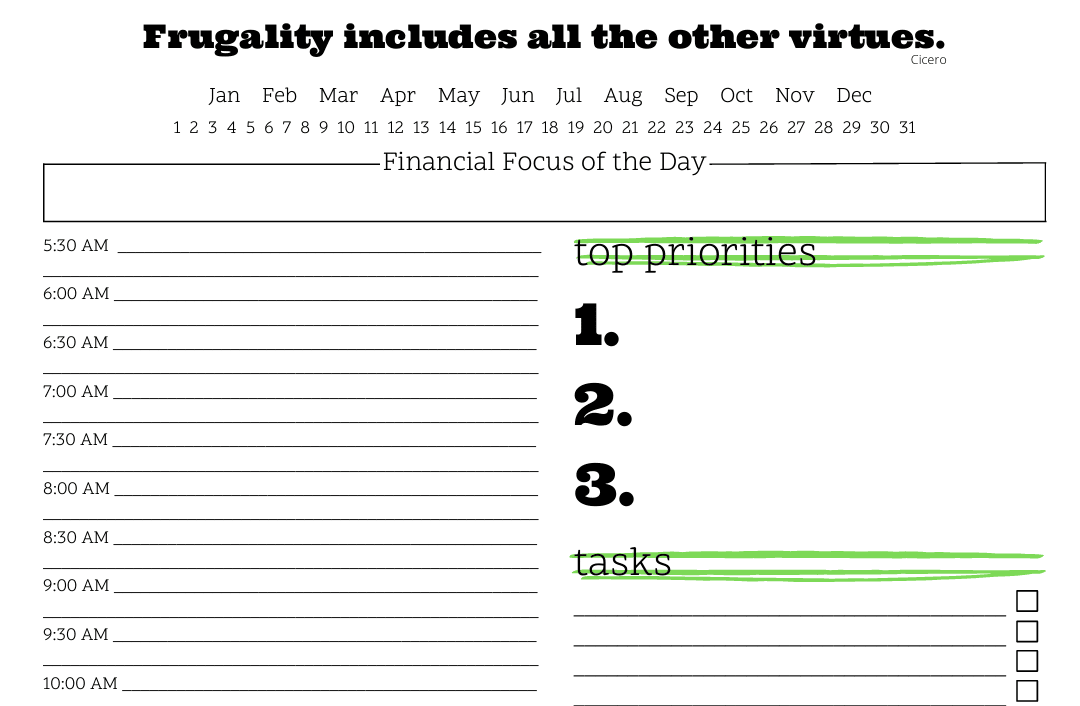
Sign up to receive a free printable daily budget planner so you can get your money on track!
Earn passive money the right way. No spam.
Editorial disclaimer: The editorial content on this page does not come from any of the companies mentioned. The opinions expressed here are solely those of the author.
The content of this website is for informational purposes only and does not represent investment advice, or an offer or solicitation to buy or sell any security, investment or product. Investors are encouraged to conduct their own due diligence and, if necessary, seek professional advice before making any investment decisions. Investing involves a high degree of risk, and financial losses may occur, including the potential loss of principal.
Advertiser Disclosure: This article may contain references to products or services from one or more of our advertisers or partners. We may receive compensation when you click on links to those products or services.
Write for us
Source Citation References:
+ Insp
There are currently no additional citations or references for this article.
#Start #Small #Business #Costs #Steps #Insights #FangWallet