

Writer: Helena Bergström
Champagne is more than just bubbles in a glass. The drink associated with celebration, luxury and celebration hides a long history, strict rules and many fascinating details. Here are 25 facts about champagne – from unexpected origins to slightly nerdy details.
Facts about champagne – and our experiences
We have traveled quite a bit in France, but have not yet visited the Champagne region. We do love bubbly, though – at least when it’s time for something a little more festive. Usually it is sparkling wine in a slightly lower price range (for example crémant from France!), but of course it has also become real champagne on certain occasions.
A few days ago we got into a conversation about sparkling drinks… Now we’ve done some reading and gathered a lot of interesting facts about champagne! By the way, do you know what different types of sparkling wine are called in different countries? Check the fact box at the bottom!

1. Champagne is a protected name
Champagne may only be produced in the Champagne region of France. Sparkling wine from other parts of the world, regardless of quality, should never use the name. Then the drink may be called something else, for example crémant (France), sekt (Germany) or cava (Spain).

2. The Champagne region is unusually northern
Champagne is further north than most famous wine regions. The cool climate produces grapes with high acidity, which is crucial for the freshness and shelf life of the wine.
Advertisement

3. Three grapes dominate almost all champagne
Chardonnay (green grape), Pinot Noir (blue grape) and Pinot Meunier (blue grape) account for the majority of champagne production. The combination of green and blue grapes provides elegance, strength and fruitiness.

4. Despite its light color, champagne can only be made from blue grapes
Despite the light color of the drink, many champagnes are made from blue grapes. By pressing quickly and carefully you prevent the dyes from the peels from discoloring the must.
Advertisement


5. Dom Pérignon did not invent bubbles
The legendary monk Dom Pérignon improved the quality of wines, but bubbles were long considered a mistake. Modern champagne was developed gradually through technological advances.
6. The bubbles form inside the bottle
Champagne gets its bubbles through a second fermentation in the bottle. Yeast and sugar are added and the carbon dioxide formed remains in the wine.
7. A bottle of champagne contains millions of bubbles
The number of bubbles can amount to around 50 million per bottle. How the bubbles are perceived is then influenced by the shape of the glass and the serving temperature.

8. Champagne is often stored longer than the minimum requirements
The law requires a minimum of 15 months of maturation before a drink can be called champagne, but many producers wait considerably longer. Extra time gives more complexity and depth of flavor.
9. The “precipitate” provides flavor and texture
Yeast sediment is the sediment of dead yeast cells that forms after fermentation, especially during the second fermentation in sparkling wines. When champagne is stored on its lees, deeper flavors and a rounder texture develop.
10. Champagne comes in many levels of sweetness
Champagne comes in different varieties – from completely dry Brutal nature to sweet Soft. In the final phase, the sweetness is adjusted, so the same wine can have a different style depending on the dosage.
11. Brut does not mean sugar-free
A Brut champagne may contain a maximum of 12 grams of sugar per liter and therefore does not have to be sugar-free. Due to the high acidity, the wine is still perceived as dry.

12. Most champagnes are a mix of different vintages
If there is no vintage on the bottle, it is a so-called champagne non-vintage. The producer then blends wine from different vintages, often using reserve wines, to create a consistent style and taste from year to year.
13. Vintage champagne is only made in certain years
Only when the harvest is of sufficiently high quality will a vintage be declared. These champagnes often reflect the year and can be kept for a long time.
14. Champagne is extremely heavily regulated
Everything from grape selection to pressing and storage is subject to strict regulations. The goal is to guarantee quality and origin.
15. Bottle size affects development
It is believed that larger bottles, such as magnums, provide better maturation over time. The ratio between oxygen and wine should then be more favorable.

16. Champagne was originally a still wine
Early champagnes had no bubbles or fermented uncontrollably. It wasn’t until bottles and corks were improved that effervescence became reliable.
17. Champagne goes great with food
The high acidity makes champagne a versatile food drink, pairing well with everything from seafood to fried foods. Champagne is not just a drink to toast with!
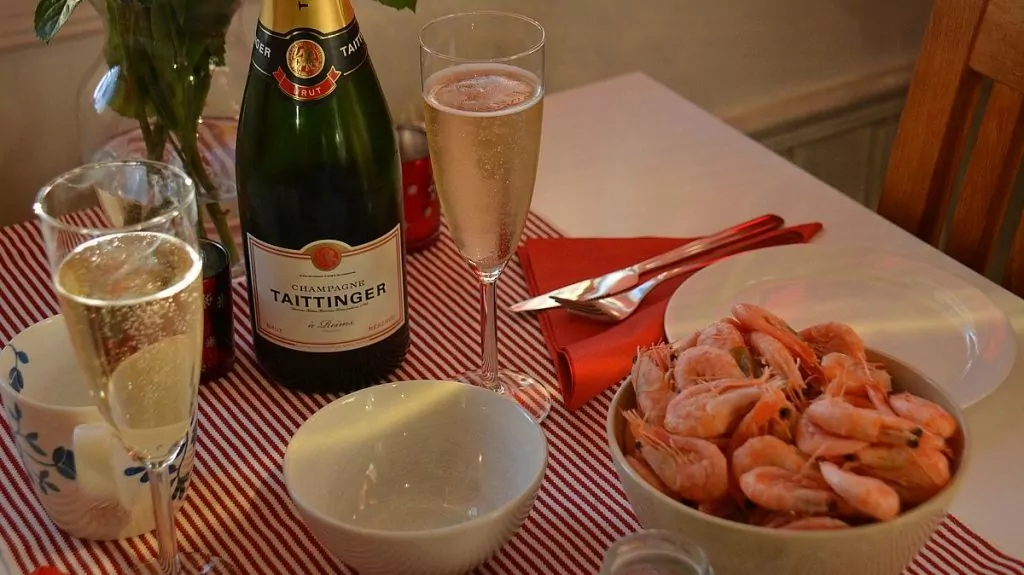
18. The choice of glass influences the taste experience
Flute glasses retain the bubbles, while larger glasses bring out the aromas better, experts say. Many winemakers today prefer regular wine glasses.

19. Rosé champagne is an exception in the wine world
In Champagne it is allowed to create rosé by mixing a small amount of red wine with white wine, something that is basically prohibited in other wine regions. This method gives the winemaker great control over color and flavor and is the most common route to rosé champagne.

20. Behind big brands are small growers
In addition to the large champagne houses, there are many small producers. These so-called cultured champagnes often reflect a specific place or style.
21. Zero dosing is a growing trend
Champagne without added sugar (zero dosage) is becoming increasingly popular. The style requires perfectly ripe grapes and precise winemaking.
22. Too cold champagne loses its aroma
If sparkling wine is served too cold, the aroma and flavor will be muted. It may be a good idea to let the bottle warm up for a few minutes before serving.

23. Not all champagnes do well when stored
Some champagnes are made to be drunk young and healthy. Others can develop over decades and acquire a more interesting flavor over time.
24. The cork was a revolution
In the past, wooden plugs and cloth were used, making the bottles unreliable. The development of cork and halter was crucial to the success of champagne.

25. Champagne is a meeting between tradition and technology
Modern champagne production combines age-old knowledge with advanced science. Each bottle is the result of hundreds of decisions along the way.
More facts about champagne…
Champagne is therefore much more than a party drink; it is also a craft and a drink with a lot of history behind it. With that we say cheers! Ahead, you’ll find facts about champagne-style drinks around the world…

Facts about sparkling wine around the world
Cava – Spain
Cava mainly comes from Catalonia in northeastern Spain, with Penedès as the center. The wine is made according to the traditional method (same as champagne) but from local grapes such as Macabeo, Xarel·lo and Parellada. The style is often dry, fresh and food-friendly – and usually affordable.
Prosecco – Italian
Prosecco is produced in northeastern Italy, mainly in Veneto. Unlike champagne and cava, prosecco is usually made using the tank method, which produces fruitier, lighter bubbles. The taste is often characterized by pear, apple and floral.
Franciacorta – Italian
Franciacorta is Italy’s most champagne-like sparkling wine. It is made according to the traditional method on Chardonnay and Pinot Noir and often has high quality, structure and aging potential. The prices are also often closer to champagne.
Sect – Germany and Austria
Sparkling wine is a broad term for sparkling wine, but the quality varies greatly. German Winzersekt, made from Riesling and according to the traditional method, can be very aromatic and fresh. In Austria, sects are now strictly classified based on preservation time and origin.
Pét-Nat – different countries
Pét-Nat (Pétillant Naturel) is an ancient method in which the wine is bottled before the first fermentation is completed. The result is often slightly pearly, rustic and unfiltered. The style is popular within the natural wine movement.
Sparkling wine – Portugal
The sparkling wines of Portugal are called Espumante. They are made in both the traditional way and the tank method, often with local grapes such as Baga. The style is often fresh and less known internationally.
Champagne – Ungern
Pezsgő is Hungarian sparkling wine, with both traditional and modern styles. Hungary has a long tradition of bubbly, especially around Budapest and in Etyek. Chardonnay and Pinot Noir are common grapes.
Crémant – France (outside Champagne)
Crémant is produced in several French regions, such as Alsace, Burgundy and Loire. It is made according to the traditional method, but outside Champagne, often with regional grapes. A popular alternative to champagne.
English sparkling wine – England
England has become increasingly famous for its sparkling wines. The cool climate and limestone-rich soils are reminiscent of Champagne, and the wines are often made traditionally from Chardonnay and Pinot Noir.

#Facts #champagne #didnt