

The difference is usually not only visible in the finishes. It lives in decisions made much earlier in the process – before tile samples, before cabinet layouts, before the aesthetic direction is even fully defined. Custom homes take shape through planning depth.
They are designed holistically, with structure, circulation, light and infrastructure considered together rather than solved sequentially.
As a result, custom homes tend to feel unusually resolved. Rooms have a natural relationship with each other. Storage appears exactly where it is needed. Nothing feels squeezed, negotiated or retrofitted. The house doesn’t advertise its complexity, it just works.
Here are eight design choices that consistently set custom homes apart from even the most successful renovations.
#1 A floor plan designed from scratch, not modified
Renovations almost always start with a compromise. Existing walls, structural limitations and inherited room sizes determine what is possible. Even the best renovations are essentially adjustments.
Custom homes start with a clean slate. Circulation paths, room proportions and adjoining spaces are consciously designed rather than inherited.
Corridors exist because they are necessary, not because they cannot be eliminated. The dimensions of the rooms are based on how they will actually be used, not on what they used to be.
#2 Structural decisions that define the space, not decorate it
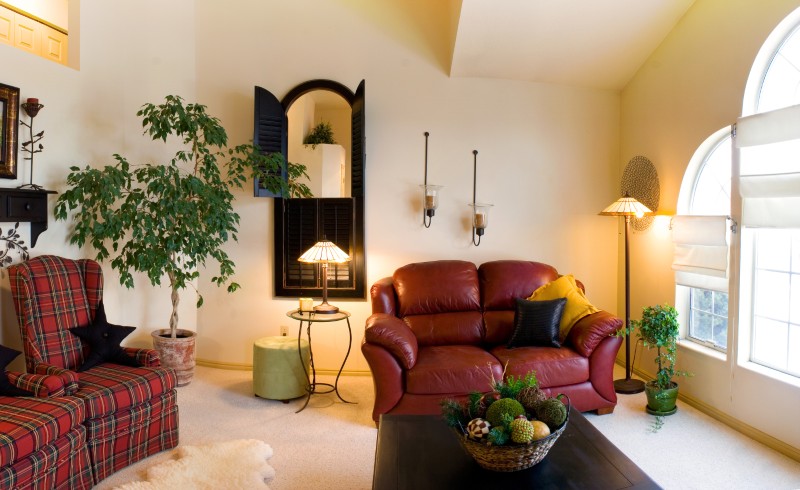
In custom homes, structure is part of the design language. Ceiling heights vary intentionally. Beams, spans and openings are resolved at an early stage and determine how spaces feel and connect.
With renovations, structural moves often come later, once budgets and constraints are clearer. As a result, they can feel secondary, added to beautify a room rather than define it.
#3 Windows installed for daylight quality, not for exterior symmetry
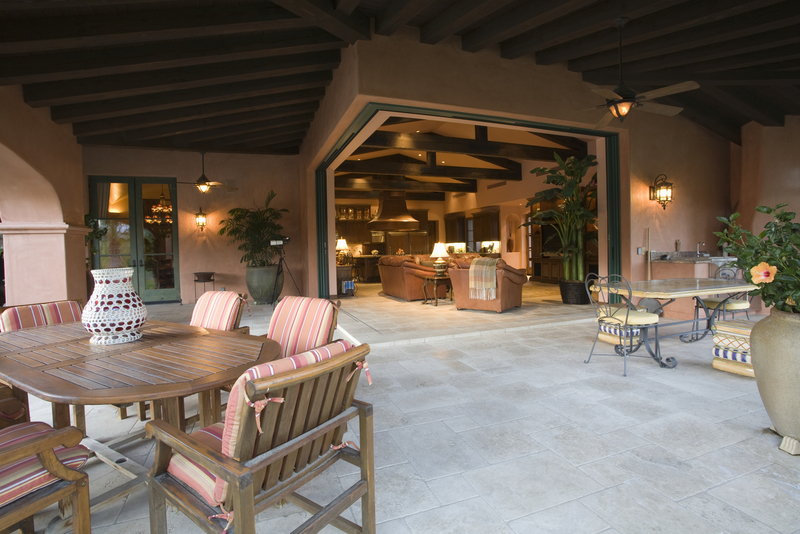
Custom homes prioritize how light enters a space over how windows are aligned on a facade. Window placement is determined by orientation, views and daily light patterns, not just external balance.
Renovations often need to work within existing openings, even if they are not ideal. Custom homes do not carry that baggage.
#4 Room relationships that feel intuitive instead of optimized
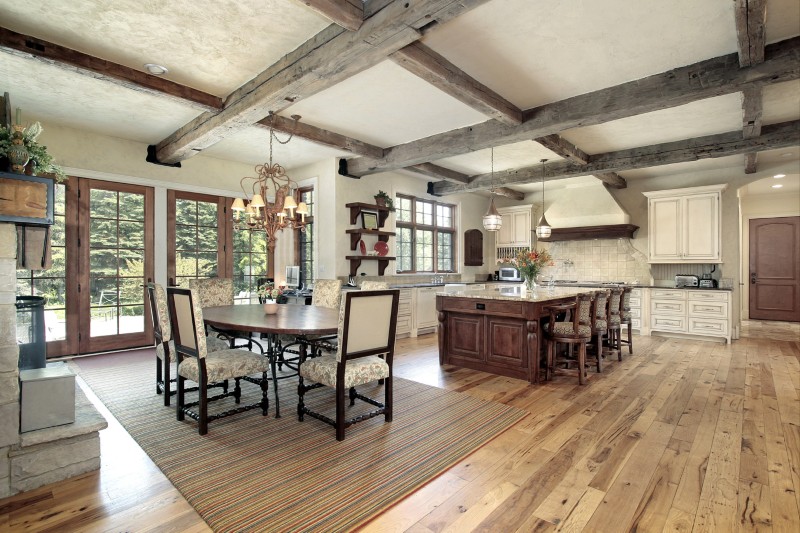
In custom homes, rooms relate to each other with a sense of inevitability.
Kitchens connect naturally with dining and outdoor areas. Private rooms are buffered from noise and activity. The circulation feels effortless, without unnecessary intersections or dead ends.
Renovations often optimize individual rooms exceptionally well, but the overall style can still reflect the original logic of the home rather than the needs of current life.
#5 Storage embedded in the architecture itself
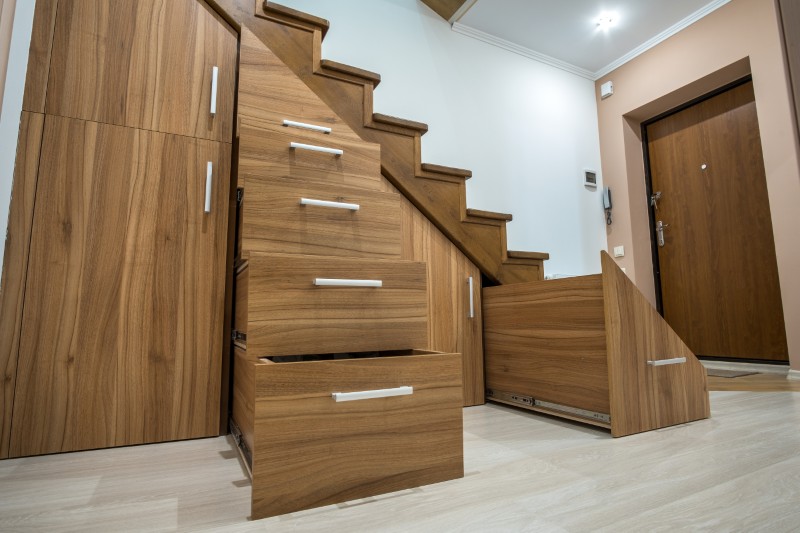
Rather than filling up leftover spaces, custom homes integrate storage directly into walls, transitions and circulation zones. Cupboards, cupboards and hidden storage space are planned in addition to the layout of the rooms.
In renovations, storage is often added after the spaces have been defined, which can result in solutions that feel bolted on rather than inherent.
#6 Mechanical systems planned in parallel with design
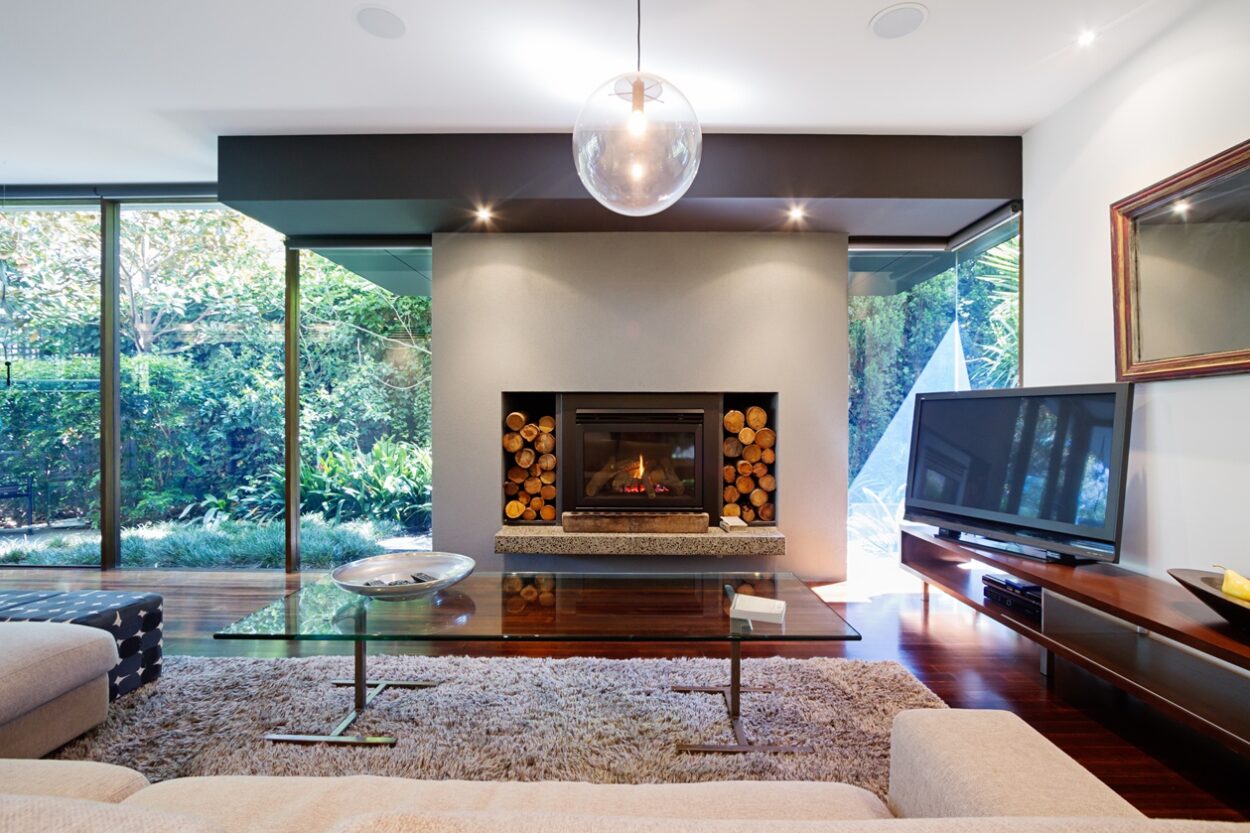
Heating, cooling, ventilation and electrical systems are coordinated at an early stage in custom-made homes. This ensures cleaner ceilings, quieter operation and fewer visual interruptions.
Renovations often require systems to work around existing conditions, leading to compromises such as suspended ceilings, exposed grilles or awkward placements.
#7 A limited material palette used with consistency
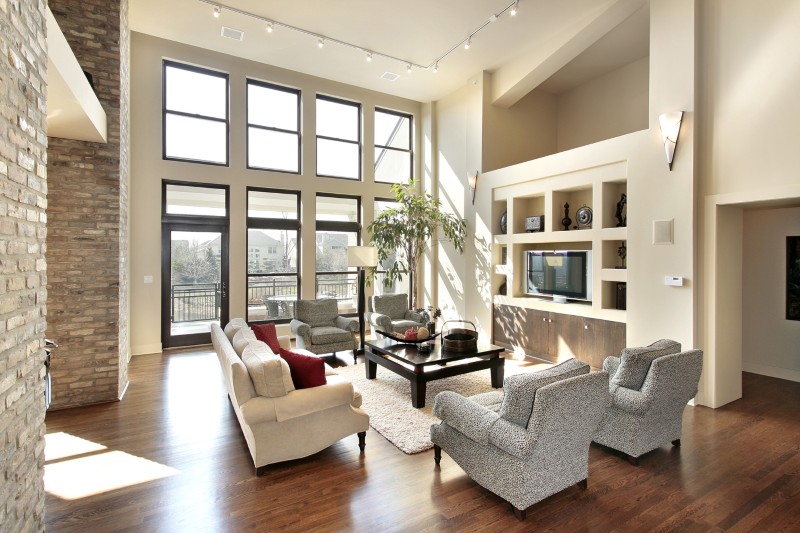
Custom homes often rely on fewer materials overall, repeating them across spaces to create cohesion. Flooring, wall finishes and millwork are selected with the entire house in mind rather than room by room.
Renovations, especially phased ones, can inadvertently accumulate material as decisions are made incrementally.
#8 A lack of visible solutions
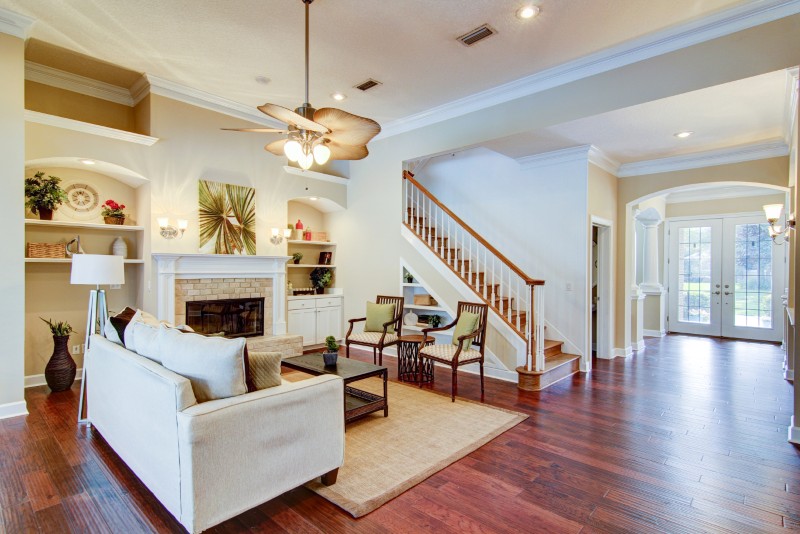
Perhaps the clearest distinction is what isn’t there. In a truly custom home, there is little evidence of problem solving after the fact. No awkward jogging, no strangely thick walls, no features that resemble negotiations.
Everything seems resolved, because it was from the beginning.
More stories
13 luxury home features that seem insanely expensive, but aren’t
What are spec homes? A recent history and the largest, most daring mansions that have come to life
#Design #choices #separate #custom #homes #good #renovations