

Navigating through the menopause can feel overwhelming, especially when it starts to show your skin. One of the less discussed aspects of the menopause is how it can drastically change the appearance and feeling of your skin. From dryness to wrinkles, the effects are noticeable but often misunderstood.
This blog investigates the relationship between aging, hormonal fluctuations and skin health. You get a deeper insight into what is happening under the surface and you learn proactive ways to manage these changes. Whether you are only entering the menopause or are far into the transition, understanding how menopause can change your skin, can help you feel confident and get older with grace.
Hormonal shifts and their role in skin changes
During the menopause, the hormonal balance of your body goes through a significant transformation. The estrogen levels are falling and this change depends on the cause of many skin -related problems. Estrogen plays a crucial role in maintaining hydration, firmness and resilience of the skin. A decrease in this hormone weakens the power of the skin to maintain moisture and to support the production of collagen.
Dryness is one of the most prominent problems that occur during menopause. When the estrogen levels decrease, the production of natural oil slows down, resulting in a feeling of roughness and dehydration. Maybe you see flaky spots or an increase in itching due to this dryness. Another great concern is to dilute the skin. Reduced estrogen causes a breakdown in collagen, the protein that gives the skin its structure. This can lead to more pronounced sagging and wrinkles.
The blood circulation also decreases during menopause, resulting in reduced oxygen and nutrient release to your skin. The result is a boring or tired complexion. These factors combined make important contributions to the changes that many women in their skin notice in this service life.
Tackle dryness and hydration of the skin
One of the most direct problems that you probably want to tackle during menopause is the dryness of the skin. The adequate hydration of your skin is essential to combat that uncomfortable feeling of tightness and to restore a thick, healthy texture. A skin care regime designed to lock up moisture is crucial. The use of cleaning agents that do not remove natural oils is a simple but effective step to maintain hydration. Follow this with moisturizing creams that are rich in hyaluronic acid or ceramides to support the moisture barrier of your skin.
In addition to current products, hydration starts from the inside. Make it a habit of drinking a lot of water and limit your intake of excessive caffeine and alcohol, because they can further dry the skin. Adding foods rich in omega-3 fatty acids, such as salmon, to your diet, can also help the skin’s ability to continue to improve smoothly and hydrated.
The connection between the menopause and fine lines
Another common care during menopause is the accelerated appearance of fine lines and wrinkles. Without a large stock of estrogen to support the production of collagen, your skin loses the elasticity and becomes more susceptible to wrinkles. Although these changes are of course, many look for ways to reduce their appearance.
Retinol and peptides are important ingredients for skin care to explore when you are concerned about fine lines. Retinol stimulates the turnover of cells and reveals fresher, smoother skin, while peptides support the structure of the skin by encouraging the production of collagen. Sunscreen is also essential to protect your skin against UV damage, which can worsen signs of aging.
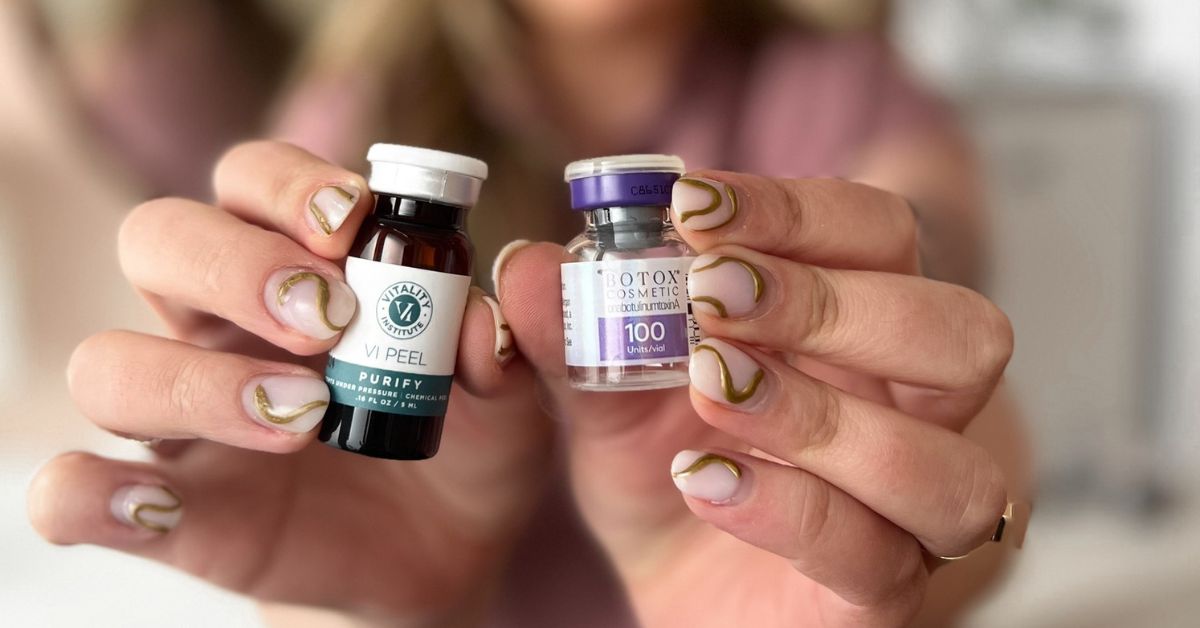
If fine lines and wrinkles are great concern, procedures such as Botox in Vancouver, WA, can be an option to explore. Consult with professionals provides an approach that is tailored to your needs for a smoother, more youthful appearance.
Skin sensitivity and menopause
With the menopause there is an increased risk of skin sensitivity. The natural barrier that usually protects your skin becomes less effective as the collagen levels decrease, making you more susceptible to redness, irritation and reactions to skin care products.
Switching to soft, odor -free products can significantly help manage skin sensitivity. Ingredients such as Aloe Vera and Kamille are great for calming irritation without causing extra tension in the skin. The recording of a barrier -parcelizing moisturizing cream can also help keep external irritating substances remotely and at the same time improve the natural defense of your skin.
If there is something that you have never experienced before, it can feel confusing. However, by tackling it early with the right products and approaches, your skin can save from long -term discomfort.
Hyperpigmentation during menopause
Hyperpigmentation, or dark spots, is another problem that many women experience as a result of fluctuating hormones during menopause. These darkened spots can be exposed on the face, hands or other areas that are exposed to the sun and are difficult to fade.
Current treatments with ingredients such as vitamin C or niacinamide are effective in aiming pigmentation and clarifying the overall tone of the skin. In addition, regular exfoliation with AHAs (alpha hydroxy acids) or BHAs (beta hydroxy acids) can help remove dead skin cells and promote an even complexion. However, if hyperpigmentation persists, consultations with a dermatologist may be necessary for professionally strong treatments.
Maintaining skin health in the long term
Although the physical changes in the menopause are inevitable, care for your skin ensures holistic health and vitality in the long term. Consistency is the key. Setting up a skin care routine and holding it will yield better results than sporadic efforts.
Regular exercise is another part that is often overlooked in skin health. Physical activity improves blood circulation and delivers the nutrients and oxygen that are needed for healthy skin. In combination with a nutrient -rich diet, exercise not only improves your overall health, but also contributes to a better complexion and a reduction in signs of aging.
Not over the head how other lifestyle factors, such as stress and sleep, influence your skin. Menopause is a time of transition and care for your mental health can positively reflect on your appearance. Deep breaths and regular downtime can be the secret of healthy skin.
Retrieve trust through skin care
Perhaps one of the most important aspects of tackling skin changes in menopausal skin is how it can help you to regain trust. Knowing what happens to your body and understanding these shifts is empowerment. Aging is a natural process, but it doesn’t mean you have to feel out of hand.
With targeted care you can gracefully manage the changes in your skin and maintain a healthy, radiant appearance. Eldering with grace means acknowledging and responding to your individual needs instead of striving for unrealistic ideals of youthfulness. With the right mentality, menopause can be a chance to invest in yourself and your well -being like never before.
Take the first step today
Insight into how menopause can cause skin changes is the first step to reclaim control over the health and appearance of your skin. If you are experiencing specific worries or are not sure where you can start your skin care routine, consider consulting skincare experts for personalized advice.
Discover options, learn yourself and implement a routine that works for you. The menopause can bring changes, but with the right approach you can ensure that it is a time when you not only get older, but also with confidence.
#Age #grace #menopause #skin