

Middle-class life has always involved trade-offs. You work hard, pay your dues and hope that your paycheck will stretch far enough to cover the essentials and a little comfort. But in some states, those hopes are being quietly dashed, not by flashy headlines or sweeping federal changes, but by slow, strategic tax policies that are bleeding middle-income earners dry.
While many politicians tout “no new taxes” or claim to protect working families, what often goes unnoticed are the layers of indirect taxes, regressive structures and cost-of-living increases that hit the middle class the hardest. If you live in one of these seven states, you may be part of a demographic group that is under siege without you even knowing it.
Why the middle class is the perfect target
The rich have tax shelters, business loopholes and write-offs on investments. Low-income families often qualify for assistance programs or exemptions. The middle class? You are too “rich” for help, too “poor” for loopholes. That makes you the perfect target for silent tax increases that seem small but add up quickly: rising property taxes, increased sales taxes, sneaky gas increases, and local fees disguised as “service fees.”
Add to that inflation, stagnant wages and the rising costs of everything from groceries to housing, and the average middle-class household is thinner than ever. In some places it’s not just difficult. It’s unsustainable.
Let’s break down the seven states where the middle class is quietly facing extinction.
1. Illinois
Illinois is infamous for its sky-high property taxes, which are among the highest in the country. Middle-income homeowners are especially vulnerable. Unlike the ultra-rich, who can flee to another state or offset the burden with investment income, average residents are stuck with rising taxes and limited options.
What’s worse? Illinois relies heavily on property taxes to fund schools and local services, often shifting the burden to homeowners rather than finding balanced budget solutions. Even modest homes in modest neighborhoods can come with crushing tax bills.
2. New Jersey
New Jersey may boast close proximity to New York City and strong public schools, but those benefits come at a price. Between property taxes, income taxes and tolls, the Garden State manages to reward its residents more creatively than most.
New Jersey’s middle class often earns too much to qualify for substantial state aid, but not enough to cover the composite costs of living, commuting and paying school taxes. If you’re raising a family, owning a home, and trying to build a future, chances are you’re watching more and more of your income disappear every year with no apparent relief in sight.
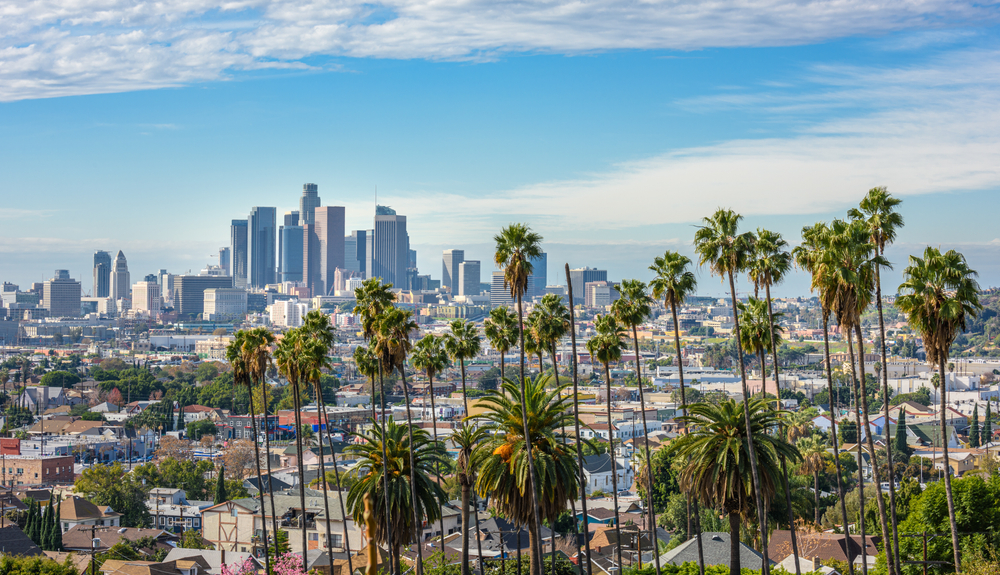
3. California
California has long been associated with high costs, but beyond the obvious (housing, gas and rent), it’s the tax structure that is quietly disappearing. California sales tax is among the highest in the USand they apply broadly, even to items that families purchase every day.
Add that to high income tax brackets that don’t favor middle earners, and California’s middle class often pays more percentage-wise than the ultra-wealthy, many of whom find clever ways to protect their income. What remains is a population that struggles to get ahead, even when earning six figures.
4. Connecticut
On paper, Connecticut looks rich… and it is. But behind the hedge funds and affluent suburbs lies a deeper crisis for the state’s working professionals. Property taxes, car taxes, and even taxes on retirement income make it one of the most expensive states for average families.
The biggest problem? Connecticut’s tax structure assumes that everyone is wealthy, but the cost burden is uneven. Cities rely heavily on local taxes, which can skyrocket in areas with declining infrastructure or school funding shortages. Middle-class families are often caught between wanting good services and facing unaffordable tax increases to maintain those services.
5. New York
You don’t have to live in Manhattan to feel New York’s financial problems. Although NYC grabs the headlines, it is the state’s broad tax policies—high income taxes, local property taxes, and school fees—that are pushing middle-class households from Buffalo to Long Island.
Combine that with the high cost of basic utilities, heavy transportation networks and relentless housing inflation, and you have a state where it is increasingly difficult to live comfortably on a middle-class salary. Many residents have fled to neighboring countries, but even then lingering tax obligations often follow.
6. Vermont
Vermont is a picturesque, progressive state with a reputation for environmental consciousness and charming towns. But for middle-class residents, especially those trying to start a family or retire with dignity, it can be financially brutal.
The income tax system does not offer many benefits to moderate earners, and property taxes are high relative to home values. Healthcare costs and utility bills are also among the highest in the country. For many middle-class Vermonters, the lifestyle they moved there for is quickly becoming unaffordable.
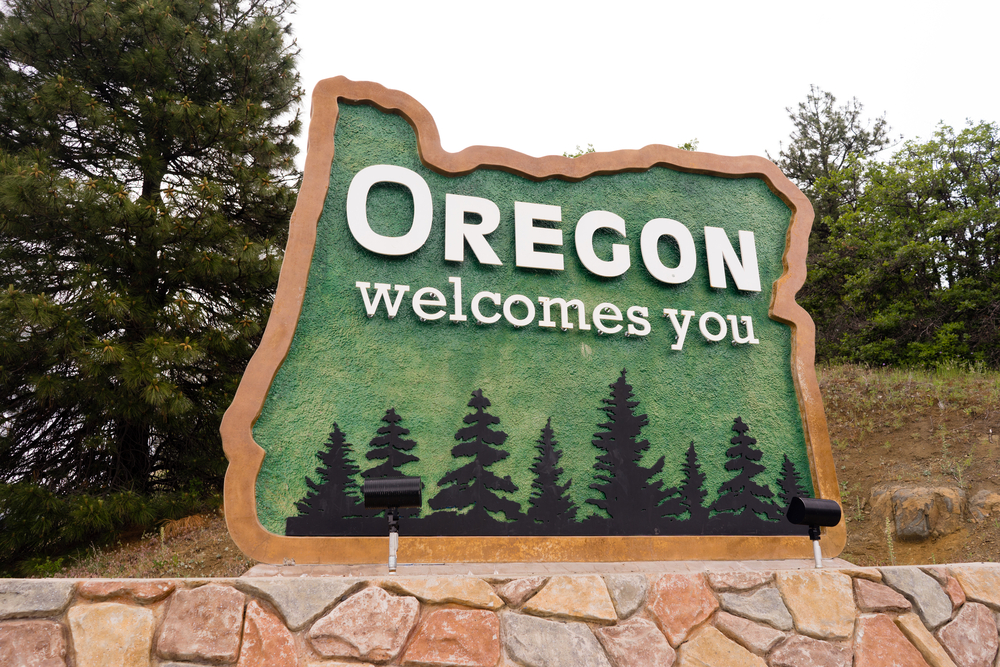
7. Oregon
Oregon is often praised for having no sales tax, but that doesn’t mean life there is cheap. Income taxes range from 4.75% to 9.9% with a top rate that comes into effect much earlier than in other states. That means middle-income families often pay high rates before they even achieve financial stability.
Oregon also aggressively taxes tobacco (nearly $10 for a pack of cigarettes) and gasoline, while imposing high user fees on things like vehicle registrations and hotel stays.
Add to that rising housing costs (especially in Portland), property taxes, and rising service costs, and the no-sales-tax benefit starts to look more like a distraction than a deal.
What this means for the future of the middle class
Middle-class families in these states face a frustrating reality: They are being pushed further to the margins by policies that rarely make the news but always hit the pocketbook. The longer-term impact? Many leave for countries with lower taxes. Others cut back on essentials, postpone their retirement or miss opportunities because of the costs just existing is too high.
Worse, many of these taxes fund systems that do not benefit the middle class equally. Public schools are underperforming. Roads are still falling apart. Cuts are being made to services, while rates are rising. It’s a lose-lose cycle, especially as the rich become increasingly isolated and the poor receive targeted assistance.
What you can do to push back
If you’re stuck in one of these situations, it may seem like there’s no way out, but there are small, strategic steps you can take:
Advocate for tax reform at the state and local levels, especially around property and sales taxes. Today, many advocacy groups across the country are trying to rein in wild tax laws.
Check your tax deductions and consult a financial advisor to legally reduce your exposure. Take all the deductions you are legally entitled to.
Investigate moving options: You don’t have to move to a tax haven, but choosing a city or town with lower local taxes can help. This is especially true if you are expecting an inheritance or other major windfall.
Be politically involved: The voices of the middle class are often drowned out. Let yours be heard.
This isn’t just about taxes. It’s about survival
We’re not just talking about numbers here. This is about the growing emotional and financial toll on people who did everything “right” – worked hard, paid taxes, raised families – only to be punished by a system that sees them as easy targets.
The middle class is being quietly, strategically and disproportionately taxed. And if we don’t shine a light on where and how the extinction of this vital economic group will not slowly disappear. It will be a crash.
Are you feeling the financial pressure in your state? Which hidden tax or fee do you find most unfair?
You might also enjoy…
The top cities where seniors are disproportionately targeted by scammers
13 Cities on the Brink of Destruction – Why You Need to Get Out Now
6 states with the lowest property taxes
Is buying a house still worth it? What $300,000 will get you in several states

Riley Jones is from Arizona and has over nine years of writing experience. From personal finance to travel, to digital marketing and pop culture. When she’s not writing, she spends her time outside, reading or cuddling with her two corgis.
#States #Quietly #Taxing #Middle #Class #Extinction