

➡️ Find a local advisor | 🎯 Find a specialized advisor
A financial audit at the end of the year
As 2025 comes to a close, it’s the perfect time to pause, reflect, and take stock of your financial progress. Start by reviewing the goals you set at the beginning of the year. What milestones have you achieved? Take a moment to celebrate these victories. Each win represents meaningful progress toward your long-term wealth and life goals.
Then look at the goals that are still in progress. Are you on track to complete them before the end of the year? Would a course correction – such as rebalancing investments, adjusting tax strategies or revising cash flow – help you finish strong? These conversations are best done in collaboration with your financial planner, who can help you prioritize high-impact actions before December 31.
The last quarter of the year is an ideal time to take purposeful financial steps that can significantly reduce your tax liability, align your portfolio with your broader wealth goals, and set the stage for a stronger year ahead.
Why 2025 is a crucial year for tax planning
The One Big Beautiful Bill Act (OBBBA) passed in July 2025 brought meaningful changes, and understanding their impact on wealthy taxpayers is essential for strategic year-end tax planning.
SALT deduction ceiling will increase in 2025
The deduction limit for state and local taxes (SALT) was increased from $10,000 to $40,000, and will increase by 1% each year until 2029. However, the expanded deduction phases out once adjusted adjusted gross income (MAGI) exceeds $500,000, returning the maximum deduction to $10,000.
This change means that high-income households just below that threshold can – at least temporarily – benefit from a larger deduction. If you expect to be close to the phase-out limit, your financial planner can help you determine whether strategies such as deferring income or accelerating deductions can help you optimize the SALT benefit before the period closes.
Adjustments to the Charitable Deduction
Charitable donations remain a core element of year-end tax planning, but the OBBBA will impose new limits from 2026. According to the new rules:
- Taxpayers who itemize this forgo an amount equal to 0.5% of adjusted gross income (AGI) when calculating charitable deductions.
- For example, a taxpayer with $400,000 in AGI will lose the deduction on the first $2,000 in donations.
- Additionally, those in the highest tax bracket can only deduct 35%, instead of 37%.
For high-income earners, this makes 2025 a crucial year to accelerate charitable giving. An effective strategy is to fund a Donor-Advised Fund (DAF) before the end of the year, which allows you to take a full deduction for 2025 and distribute gifts to charities over time. Another technique is “bundling” of charitable contributions – making multiple years’ worth of gifts in one tax year to maximize your itemized deduction before the new restrictions apply.
Year-end strategies for tax-efficient giving
For those who own long-term appreciated investments, donating these securities can provide a double benefit:
- You will receive a charitable deduction based on the fair market value of the investment, and
- You avoid paying capital gains tax on the increase in value.
If you have owned the asset for more than a year, this strategy can meaningfully increase the tax impact of your donations while aligning with your philanthropic goals. Keep in mind that your deduction is limited to 30% of the AGI for properties with long-term capital gains, but the excess can be carried forward for up to five years.
Maximize tax-deferred opportunities
If you’re still in your working years, make sure you take full advantage of your retirement and health savings accounts before the end of the year.
- 401(k) Contributions: The 2025 elective deferral limit is $23,500, and if you are 50 or older, you can also make an additional catch-up contribution of $7,500. And be sure to check if your employer sponsors a ‘super catch-up contribution’, which can give you an extra $11,250 on top of the standard catch-up contribution for those aged 60 to 63.
- Health Savings Accounts (HSAs): If you’re enrolled in a high-deductible health plan (HDHP), an HSA offers triple tax benefits: contributions are deductible, growth is tax-free, and qualified withdrawals are also tax-free.
Review your open enrollment options, adjust payroll deductions if necessary, and consider increasing contributions by December 31 to take advantage of the full tax benefit for the year.
Qualified Charitable Distributions
For those age 70½ or older, qualified charitable distributions (QCDs) from an IRA can meet all or part of your needs. Required Minimum Distribution (RMD) while that amount is excluded from taxable income. It’s a tax-efficient way to give back while managing the impact of RMDs on your overall income.
Roth Conversions
Converting a portion of traditional IRA assets to a Roth IRA can make sense now – especially if you expect to be in a higher tax bracket later.
Harvesting tax losses
If your taxable accounts contain underperforming investments, harvesting capital losses can offset gains and reduce your overall tax bill. Consider the wash sale rule, which prohibits repurchasing a substantially identical security within 30 days.
Final Thoughts: Make 2025 a year of action
Year-end tax planning isn’t just about saving money – it’s about proactively managing wealth in a changing legislative landscape. Wealthy families who act early and plan strategically can minimize future tax exposure, preserve more wealth for future generations, and continue to support the causes they care about most.
Discuss your income, deductions, charitable donations and investment strategies with your financial advisor before the end of 2025. This is a rare window where timing, coordination and execution can lead to lasting benefits.
Working with your fiduciary financial advisor/asset manager, CPA, and real estate attorney will keep your strategy aligned with your broader goals. For high-net-worth individuals, integration across tax, investment and wealth planning is critical, especially as legislative changes continue to evolve.
This article was originally published here and is republished on Wealthtender with permission.
About the author
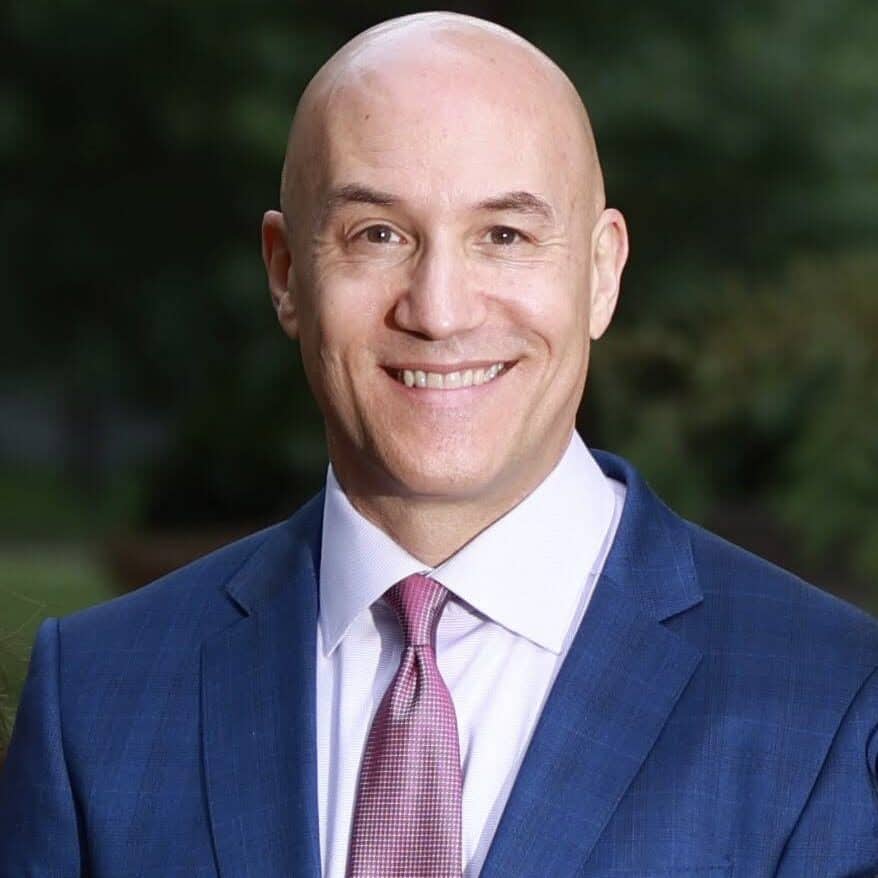
John Foligno, CMC®
Providing tax-efficient financial advice to professionals and entrepreneurs.
John Foligno, CMC®
| Living big financially
🔗 Website | Wealth profile
#Yearend #tax #planning #strategies #highnetworth #individuals #Maximizing #opportunities