

This article may contain references to products or services from one or more of our advertisers or partners. We may receive compensation when you click on links to those products or services. Nevertheless, our opinions are our own.
The information in this article is accurate to the best of our knowledge at the time of publication. However, information is subject to change and no guarantees are made as to the continued accuracy or completeness of this content after the date of publication.

Identity checks can feel abrupt if you just want to access an account. However, by the end of this guide, you will understand why websites require identity verification, where to find official instructions before sharing personal data, what to prepare, and how to fix common errors.
First of all, why do websites require identity verification? Most services use it to confirm the person behind an account before allowing higher trust actions, such as restoring access or changing important details. It also reduces impersonation and supports account recovery. For a refresher on practical protection habits, check out this article at basics of identity theft and fraud.
Identity verification and login security
Identity Verification matches you with an ID based on the evidence you provide. Online ID proof is the broader process of establishing that you are a real person bound by the identity claim.
Before we go any further, let’s define a few terms you might come across. Authentication is what happens when you log in. Multi-factor authentication is about adding a second proof of login. A passkey is a password replacement stored on the device, unlocked with a biometric or PIN. Understanding these differences will make it easier to perform identity checks.
Seek the right guidance before you start
The quickest way to avoid delays is to read the site’s own guidelines before collecting documents. Start with the footer, as many services place support and policy links there.
On the Happy rebel homepage, for example, the footer contains a Help portal, plus policy pages, such as Terms and Conditions and Privacy Policy. Looking at it and familiarizing yourself with where certain things are can make it much easier to get to grips with the standard formats – most entertainment platforms and even platforms in other areas will use a similar approach. Lucky Rebel’s is useful because it is particularly clear; the text is easy to read, the labels are intuitive, and the navigation is smooth.
Once you know where the Help information is located, browse the privacy page to understand what information is typically requested. Finally, check the Terms page for practical matters such as when a recheck can be triggered and which support channel is listed. Lucky Rebel provides clear information about how they handle user privacy, what is collected and what is shared. Other sites should take a similar approach, and getting to grips with this will give you a better understanding of privacy controls.
NIST’s Digital Identity Guidelines separate proof of identity, verification, and authentication into different phases. This overview of NIST SP 800-63 Revision 4 covers some of the latest information about password security and how it works.
Common failure points and simple solutions
The documents used for verification depend on the service and the level of assurance required, but a common pattern is a government-issued photo ID, plus a selfie. When people ask why identity verification fails, the reason is usually practical: details don’t match exactly, images are unreadable, or the captcha step doesn’t complete.
Before you start, make sure that your name, date of birth and address are written exactly in the format shown on your ID. If you want to take a photo, make sure you have bright lighting with minimal glare.
| What you see | Common cause | Practical next step |
| Unable to verify your identity | A detail does not match or an unreadable image | Re-enter the details accurately and then take photos again in better light |
| Selfie or liveness check failed | Shadows, glare or motion blur | Avoid backlighting, stand still, and remove hats or tinted glasses |
| The Captcha step does not start or continues upon login | Browser permissions or an authentication issue | Allow camera access, reload or switch browsers, then enable MFA if offered |
Privacy is often the emotional friction in these moments. This research describes how people trade convenience and privacy depending on context, which helps explain why clear instructions and minimal data requests often reduce outages.
Why you might be asked again and how passkeys differ
If you’re asked to re-verify later, it often means that the service is rechecking after something has changed. Common triggers include a new device, password reset, repeated failed login attempts, or a long period of time since the last successful login.
Multi-factor authentication helps because it adds a second piece of evidence that is harder to forge than just a password. Password keys take things a step further by replacing passwords with a device-based credential associated with the specific site.
Before submitting anything, do the following:
- Confirm that you are on the correct domain and not a lookalike page.
- Provide only what is requested and then delete saved images after the check is complete.
- After access is restored, enable multi-factor authentication or set up a passkey if the service supports it.
With this improved understanding of what identity checks do and how they work, users can regain access to their accounts faster and with much less frustration.

Reviewed and edited by Albert Fang.
Spot a typo or would like to suggest an edit/revision to the content? Use the contact form to provide feedback.
At FangWallet, we value editorial integrity and open collaboration in curating quality content for readers to enjoy. Much appreciated for the help.
Did you find our article fun and enlightening? We encourage you to share the article link with family and friends so they can benefit from it too – better yet, share it on social media. Thanks for the support! 🍉
Article title: Why sites ask for identity checks and what you need to do before you start
https://fangwallet.com/2026/01/17/why-sites-ask-for-identity-checks-and-what-to-do-before-you-start/The FangWallet Promise
FangWallet is an editorially independent resource – based on breaking down challenging financial concepts for everyone to understand since 2014. While we are committed to editorial integrity, please note that this post may contain references to products from our partners.
FangWallet’s promise is to always have your best interests in mind and be transparent and honest about the financial picture.
Become an insider
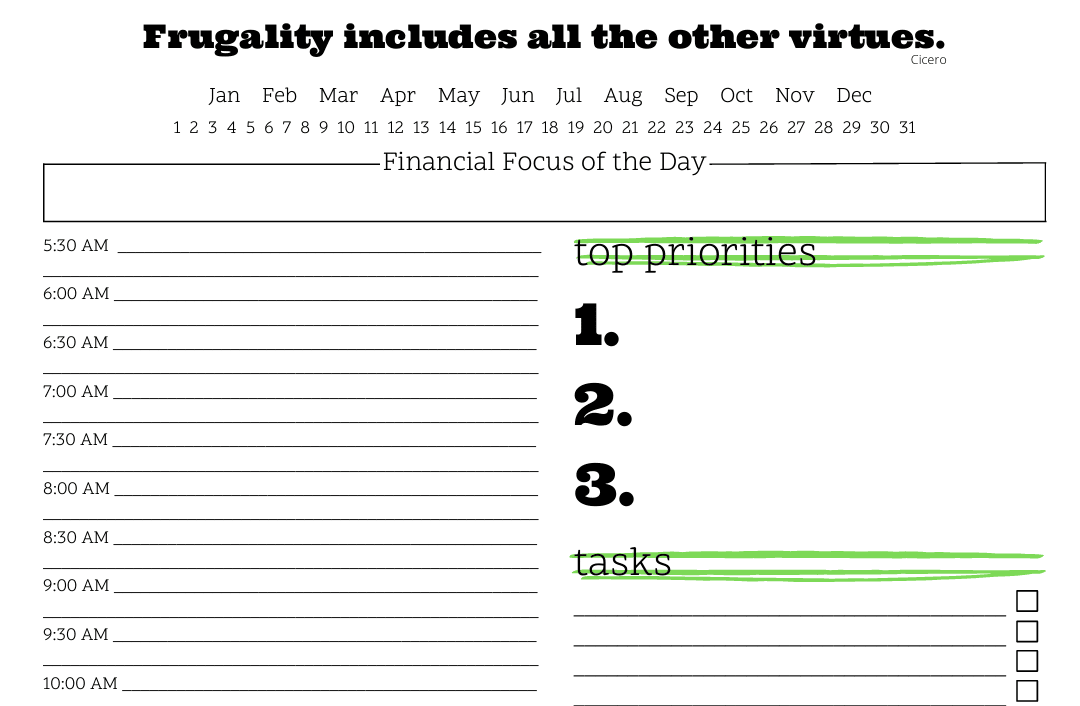
Sign up to receive a free printable daily budget planner so you can get your money on track!
Earn passive money the right way. No spam.
Editorial disclaimer: The editorial content on this page does not come from any of the companies mentioned. The opinions expressed here are solely those of the author.
The content of this website is for informational purposes only and does not represent investment advice, or an offer or solicitation to buy or sell any security, investment or product. Investors are encouraged to conduct their own due diligence and, if necessary, seek professional advice before making any investment decisions. Investing involves a high degree of risk, and financial losses may occur, including the potential loss of principal.
Advertiser Disclosure: This article may contain references to products or services from one or more of our advertisers or partners. We may receive compensation when you click on links to those products or services.
Write for us
Source Citation References:
+ Insp
There are currently no additional citations or references for this article.
#Sites #Identity #Checks #Start #FangWallet