

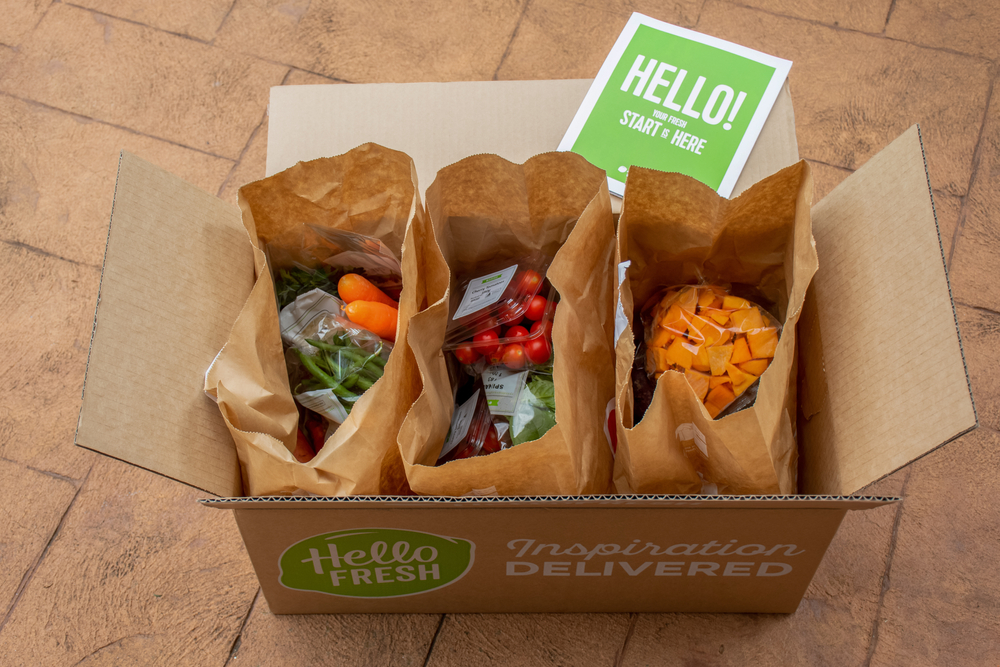
Meal kits and ready-made boxes feel like the perfect middle ground between cooking and taking out. You skip the planning, avoid wandering the aisles of the grocery store, and still get something that resembles a real dinner. For many couples, that convenience feels worth it because it reduces decision fatigue and makes weeknights smoother.
The catch is that the actual cost is not just the advertised price per serving. When you add in the extra groceries you buy, the “backup meals” you save for busy nights, and the subscription growth that happens over time, the total may surprise you. If you like food delivery, you don’t have to stop, but you have to pay a fair price for it.
The sticker price is not the full weekly total
Most services show a neat number per serving that seems comparable to eating out. The problem is that the price per serving rarely includes extras, premium meals, or the occasional upgrade you click when you’re tired of chicken bowls.
Taxes and delivery costs the math can also change depending on location and promos. Even small costs feel bigger when they happen every week. If you don’t keep track of your entire order total, you can easily underestimate how much you spend. This is the first reason why food delivery feels cheaper than it actually is.
What you still buy in the supermarket
Meal kits don’t replace everything, they replace some dinners. You’ll still buy breakfast, lunch, snacks, coffee and household essentials, plus ingredients for those nights when you don’t want the kit meal. Many couples also keep “emergency foods” on hand, like frozen pizzas, pasta, or take-out menus, because life doesn’t follow a delivery schedule.
If you continue to shop for groceries as you always have, meal delivery will become a supplement rather than a replacement. That’s when the budget starts to come under pressure, even if you ‘don’t eat out that often’. To see the truth, you need to combine the shopping total with the delivery total.
1. The hidden sum: costs per dinner for an entire month
The easiest way to evaluate value is to stop thinking box by box and start thinking month by month. Count how many dinners you actually eat from the tableware, not how many you planned to eat. Add up all charges over a four-week period, including any skipped weeks that have yet to elapse or last-minute add-ons.
Then divide this by the number of diners who actually replaced a supermarket-prepared meal. That number is your actual cost per dinner, and is usually higher than the marketing version. When you do this, meal delivery becomes a clear decision rather than an atmosphere.
2. Food waste can decrease, but only if your schedule cooperates
Meal kits can reduce waste because the ingredients are portioned. Prepared meals can also reduce waste because they eliminate the problem of ‘aspirational products’. But waste doesn’t disappear, it shifts, especially when plans change.
If you travel, work late, or decide to go out, your meals can spoil before you eat them. Some couples also let the kits stack because they feel like working one evening when they are tired. When waste occurs, food delivery becomes inefficient and expensive.
3. The Convenience Premium can meet your expectations
One of the reasons why these services are worth it is that they remove friction. Over time, you can learn to expect dinner to be easy, making regular grocery shopping tedious. Then you pay for convenience in more places, such as coffee, lunch and weekend meals.
This is how lifestyle creeps creep in through food choices. It’s not just about the cost of the box, it’s about the habits it builds. If you look at the pattern, meal delivery sometimes becomes the gateway to higher overall food spending.
4. Promo prices end, but habits remain
Many people start with a discounted introductory offer and love the value. Then the discounts disappear and the bill quietly doubles, but the routine remains. At that point it feels hard to stop because the service has become part of the way you manage your week.
Therefore, it helps to decide in advance what price makes it worth keeping. If your total goes above that number, pause the service for a month and set it up again. Food delivery should be a choice, not an expense on autopilot.
5. A smarter way to use food delivery without paying too much
The best approach is to use it as a targeted tool, not as a default. Choose the busiest weeks for delivery and plan cheaper weeks pantry meals and simple repetitions. Keep a “quick shopping list” of five dinners you can prepare quickly so you don’t fall back on takeout when you’re on a break.
If you like variety, alternate between kit weeks and grocery weeks to keep boredom down. Also set a hard limit for add-ons and premium meals, as these increase the average speed. When used consciously, meal delivery can still fit within a budget.
Keep the convenience, lose the surprise altogether
Convenience can be worth it, especially if it reduces stress and helps you eat at home. The problem is that you have to pay for it without realizing how much it adds to your regular grocery costs. Add up a full month, divide it by the number of dinners you actually ate, and compare it to your normal grocery costs per meal.
If the number still feels fair, keep it and set rules around add-ons and waste. If not, scale back to the busiest weeks and rely on simple backup meals the rest of the time. Food delivery works best when the math matches the feeling.
If you were to add a full month’s worth of meal kits or prepared meals, would you keep them, scale back or cancel them – and why?
What to read next…
The spending pattern of ‘high standards’ that defeats goals
Why ‘we make good money’ still doesn’t feel like enough
The only bill that goes up if you move in together
7 subtle spending habits that add up in child-free homes
The silent budget category that secretly eats double income
#meal #delivery #feels #worth #add