

Debt is a part of life for many, but not all debt is equal. Some types of debt can help you grow your wealth, while others can hold you back.
Understanding the difference between good debt and bad debt is key to making smarter financial choices.
This post explains how each type works, with tips on how to use good debt wisely and how to avoid the pitfalls of bad debt. Whether you’re managing loans or planning for the future, knowing this difference can change the way you manage your money.
Good debt helps grow your wealth or income over time
Good debt works to your advantage by building your wealth or generating income. Mortgages or student loans are examples of debt that can improve your financial future if you use them wisely.
These loans often have a lower interest rate and a clear long-term advantage. Understanding how to leverage good debt can help you achieve goals like owning a home or starting a business. The key is to borrow for investments, not for luxury goods.
For more information: How to calculate your liquid net worth and know what you’re worth
Examples of good debt include student loans, mortgages and business loans
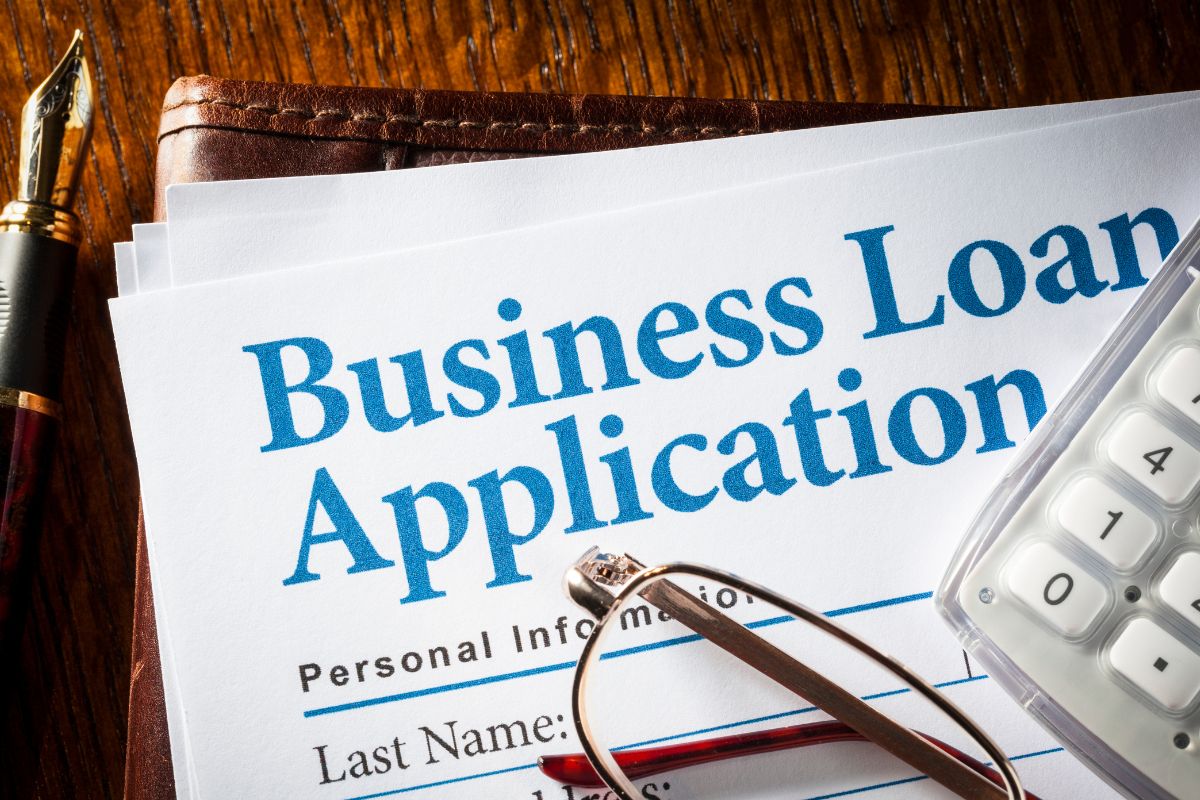
Loans for education, real estate or a business can be considered good debt. They usually have manageable rates and offer opportunities to grow your wealth.
For example, a mortgage builds equity over time, while student loans can lead to higher income potential.
Business loans can help you create new revenue streams if you have solid business plans and can generate income quickly. These debts often pay off when used with a clear plan in mind.
For more information: Is this the right time to refinance my mortgage?
Good debt often comes with low interest rates and long-term value
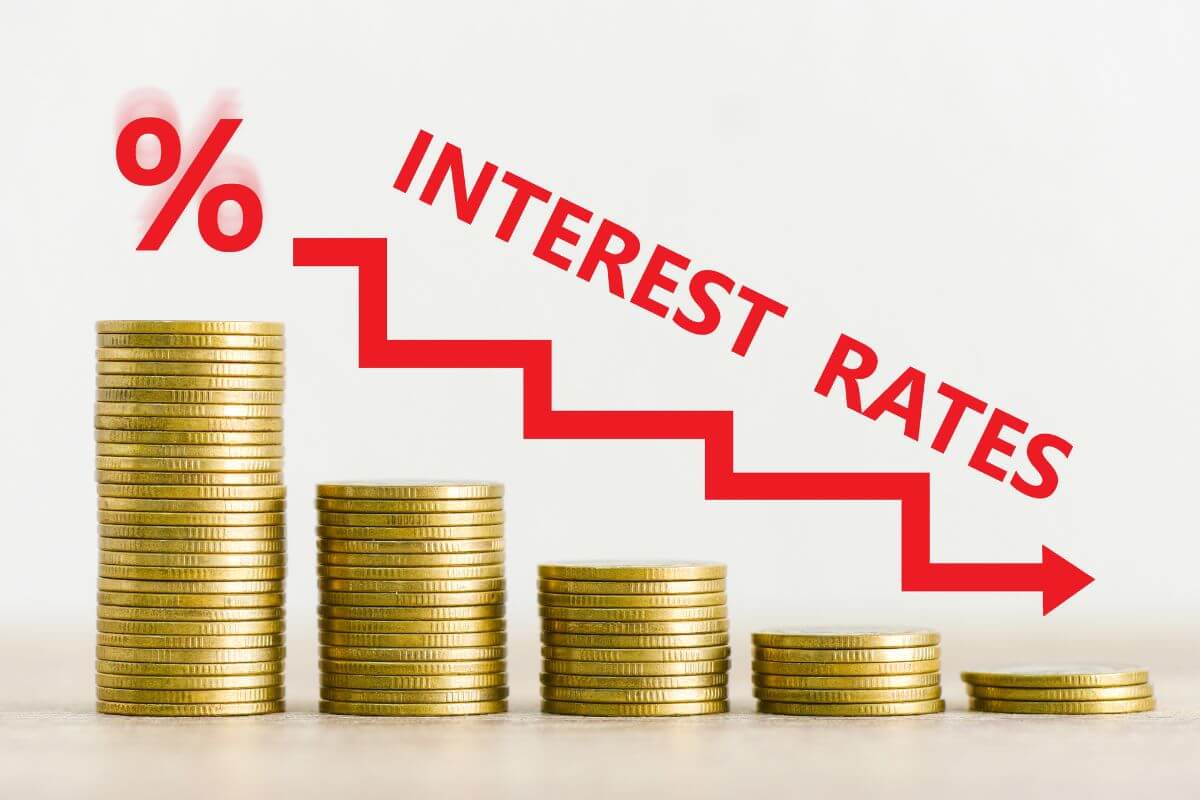
Loans from which you benefit financially over time often have a lower interest rate. Mortgages and education loans fall into this category because they support building equity or making more money.
These debts can yield long-term rewards if managed responsibly. It’s all about borrowing for things that grow in value rather than things that lose value.
For more information: How to Pay Off Debt Faster While Not Making Money
Bad debt is used to buy things that quickly lose value

Debts related to purchases such as electronics, clothing or expensive meals often fall under bad debt. These items immediately lose their value and provide no future returns.
Credit card balances used for these expenses can pile up with high interest rates. Avoid borrowing money for things that won’t help your finances grow.
For more information: 5 reasons NOT to choose the popular debt snowball method
Examples of bad debts include credit card debt and payday loans
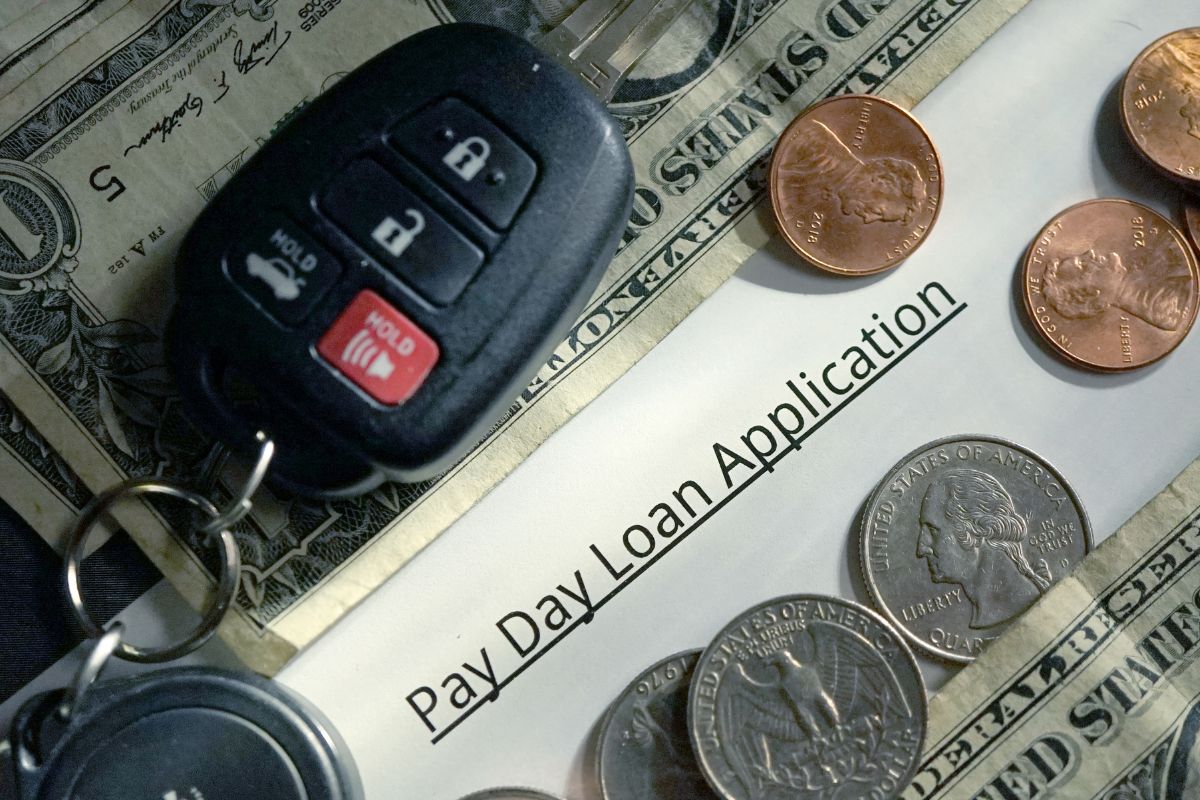
Credit card debt and payday loans are two examples of bad debt. They come with high interest rates, short payback periods, and no lasting benefit.
These types of loans often cause financial stress and leave you stuck in a cycle of payments. It is better to avoid them or pay them off quickly to protect your financial stability.
For more information: 15 Most Effective Credit Card Hacks and Rewards
Bad debts typically have high interest rates and no return on investment
Borrowing for things like vacations or impulse purchases can cost you more in the long run. High-interest debt from credit cards or payday loans offers no real value and can lead to greater financial problems.
Eliminating these debts as quickly as possible frees up money for savings and important goals.
For more information: Debt Snowball vs. Debt Avalanche – Which Method is Best?
Good debt can improve your financial future if you manage it responsibly
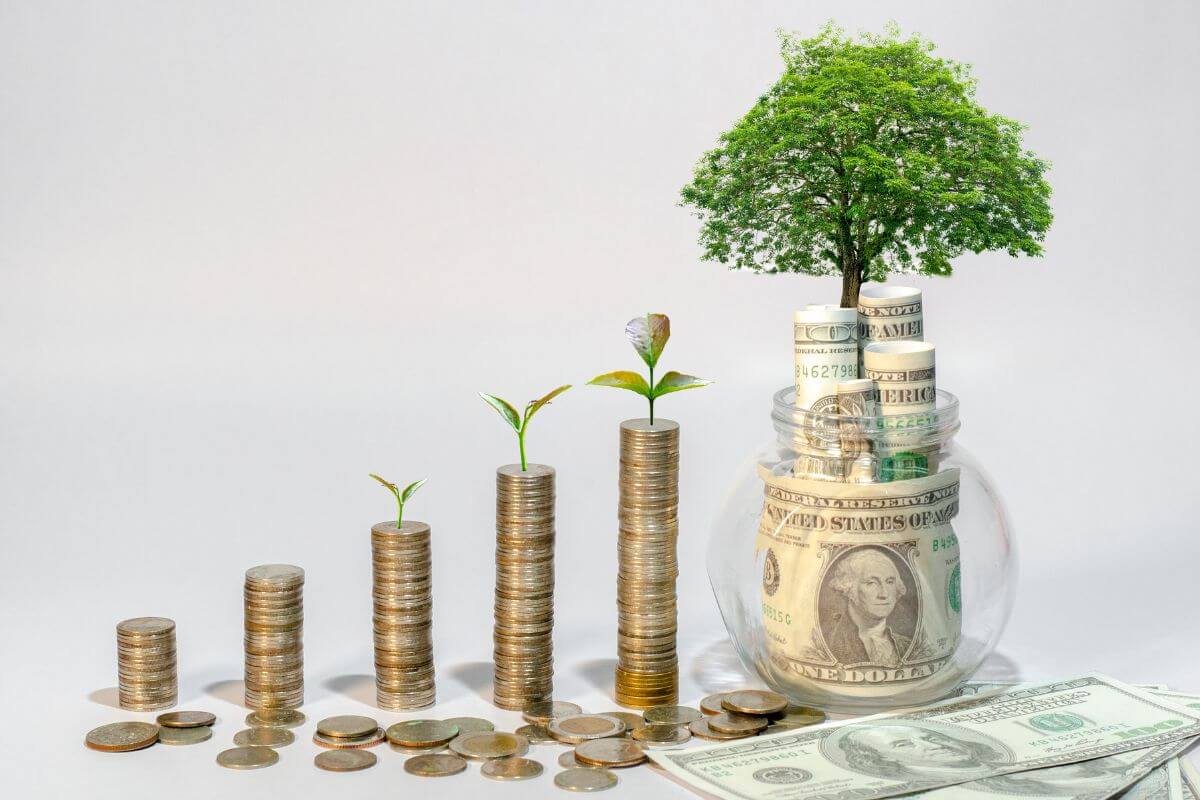
Taking on good debt can be a smart move if done carefully.
Making payments on time and understanding the terms are key to making this type of debt work in your favor. Responsible lending leads to long-term growth.
For more information: 10 Money Bliss Steps to Financial Freedom
Bad debts can lead to financial stress and limit savings opportunities

High-interest debt, such as credit cards or payday loans, can drain your budget. They leave less room to save or invest, making it more difficult to achieve financial independence.
Reducing bad debt should be a priority to relieve stress and improve your overall money situation.
For more information: How do I avoid feeling ashamed because I don’t manage money well?
Focus on paying off bad debts as quickly as possible
The faster bad debts are paid off, the less interest you will pay over time. Prioritize credit cards and high-interest loans to free up more money for savings and investments.
A clear plan to tackle these types of debts will put you on the path to financial freedom.
For more information: 7 Things You Should Give Up to Pay Off Debt Faster
Only use good debt if it fits your financial goals

Only borrow money if it will help you achieve specific financial goals, such as buying a house or starting a business.
Good debt must be in line with long-term plans and offer a clear return. Avoid borrowing for things that won’t add value or improve your financial health.
For more information: 10 Financial Goals to Achieve
Avoid taking on debt unless it serves a clear purpose
Debt should always have a purpose related to improving your financial prospects. Avoid borrowing just to meet a short-term need or need.
Whether it’s a student loan or a business loan, think about the long-term payoff before making a commitment.
More information: How can I get out of debt quickly?
Be careful about overextending, even with good debt

Even good debt can cause problems if you borrow more than you can handle.
Keep payments manageable and avoid depending on future income that is not guaranteed. By remaining cautious, you can manage debt responsibly without overextending your finances.
For more information: How to Budget Your Money with Percentages – Cent Plan Formula
Always understand the full cost of borrowing before taking on debt

Before agreeing to a loan, look carefully at the interest rates, fees and repayment terms. Knowing the full costs of borrowing will help you avoid surprises and make better choices.
Whether it’s good or bad debt, understanding the details protects your financial future.
For more information: Debt Consolidation 101: What You Need to Know
Get rid of bad debt now

Getting rid of bad debt is one of the smartest steps toward financial freedom. High-interest debt can hold you back, cutting out your income and causing unnecessary stress.
By making a plan to pay them off quickly and avoid new bad debt, you can free up money for savings, investments, and goals that really matter.
Get started today: every step you take brings you closer to a more stable and stress-free financial future.
For more information: How to Get Out of Debt in 5 Easy Steps
Do you know someone else who also needs this? Then please share!!

Did the message affect you?
More importantly, have I answered the questions you have on this topic? Let me know in the comments if I can help in any other way!
Your comments are not only welcome; they are an integral part of our community. Let’s continue the conversation and explore how these ideas fit into your journey to Money Bliss.
#difference #good #debt #bad #debt #Money #happiness