

Just as muscles and tendons work together to absorb shock to the human body, or how running shoes cushion the impact with every step, a car’s suspension combines carefully engineered components to tame the imperfect streets and highways of the world in the name of safety, comfort and performance. Engineers have come up with several approaches to suspension design over the years, each with different cost, complexity and packaging considerations. These played a direct role in why Mazda chose to use a torsion beam rear suspension when redesigning the current Mazda 3 platform in 2019.
Regardless of where a vehicle will travel, properly dialing in suspension settings is a crucial mix of art and science that starts with choosing the type of suspension design to use. Some vehicles, such as Jeeps, are known for being designed to conquer the roughest terrain, while Formula 1 racing suspensions are designed to safely extract every last ounce of speed within the limits of track handling characteristics. Torsion beams, while less sexy than their advanced multi-link counterparts, are simpler rear suspension designs that can offer lighter weight and cost and free up valuable passenger or cargo space – in exchange for possible dips in ride tuning and customization.
The advantages of torsion beam simplicity: reliability, factory adjustment and space
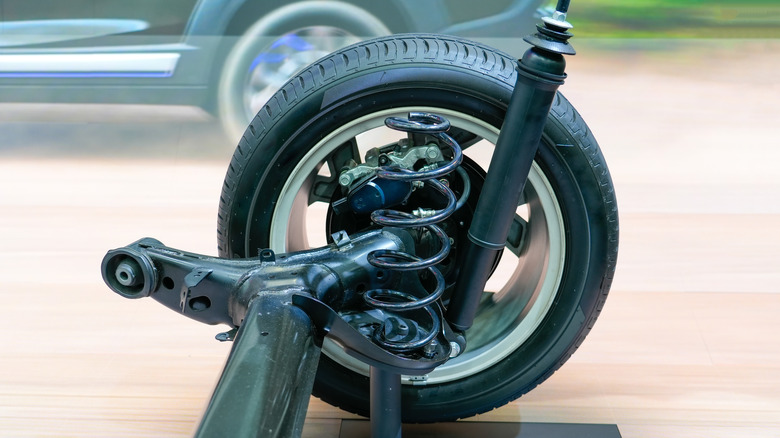
Murphy’s Law says that anything that can go wrong, will go wrong. Murphy would probably dig torsion beams for their simplicity. Where the rear wheel hub and brake meet the car, a typical multi-link suspension consists of a combination of parts, from the upper and lower wishbones to shock absorbers, springs and connecting rods, on each side. That’s 10 components – plus a stabilizer bar that runs between the wheels for lateral stability.
In contrast, a torsion beam, as pictured above, basically consists of five main components – in total – including an H-shaped frame to mount the springs and shocks, and wishbones with bushings to attach to the chassis. The beam section spanning that H gives the torsion beam its name and effectively fuses the right and left sides of the suspension.
In our age of alternative facts, let’s choose to agree that five parts are less than ten parts. From a reliability perspective, that means 50% fewer potential failure points to worry about and maintain – not to mention reduced production complexity, lower costs and fewer parts to tune and optimize for reasonably enjoyable and safe driving.
The compact packaging also helps to free up a nice interior volume for passengers and cargo. Torsion beams position everything relatively lower in the chassis and push the springs and shocks further to the sides of the car – and that means more interior space for golf clubs, child seats, pets and large playpens.
The disadvantages of torsion beam simplicity: customization and adjustment
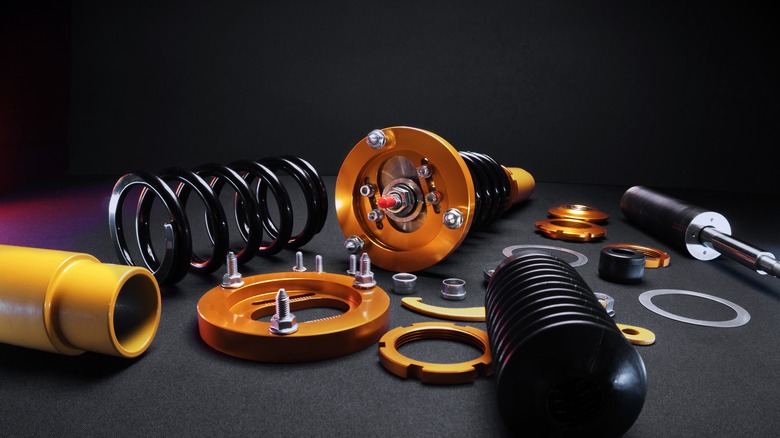
Tuning a suspension’s complex symphony of components to our tastes is one of our readers’ favorite car modifications. All that intricate joinery in a multi-link setup – with so many variables in springs, bushings, shocks, adjustable end links and anti-roll bars – allows each wheel to move independently and lends itself to a host of adjustments that can radically change a suspension’s geometry and performance. It’s a (potentially expensive) playground for customization that torsion beams can’t match.
With a torsion beam setup, suspension tuning options are pretty much limited to the basics: bushings, springs and shocks. This change restriction can be liberating or frustrating, depending on your perspective. As much as enthusiasts love to rave about lowering springs or the difference between shock absorbers and struts, we can only go so far because we can’t change the factory-installed torsion beam that spans the rear of the car. Therefore, the actions of the right and left wheels are never completely independent.
That doesn’t mean torsion beam suspensions can’t produce track stars. Volkswagen had them running for centuries on Golf GTIs, also known as the great-grandfather of hot hatches. It also doesn’t mean that going fast is the rule with torsion beams; While Mazda’s torsion beam worked at the recent three shows, the wizardry of factory engineering can lead to one hell of a ride. Ultimately, the biggest drawback to torsion beams depends on whether you want to customize your car’s performance and how much stock damping you consider typical. If you’re looking for a comfortable air ride, you may want to take a look at the pros and cons of air suspension.
#advantages #disadvantages #torsion #beam #suspension #Jalopnik