

The UFC’s ongoing problem with eye pokes took center stage at UFC 321 in Abu Dhabi on Saturday night, as Ciryl Gane’s double eye poke on Tom Aspinall brought an abrupt end to the heavyweight title defense. It sparked a discussion about accountability in mixed martial arts, with veteran Jim Miller emerging as the sport’s most outspoken critic of a broken regulatory system that continues to protect violators from meaningful consequences.
UFC vet Jim Miller slams fighters and regulations for not addressing eye pokes
Miller, who holds the UFC records for most fights (46) and most wins (27) in the promotion’s history, joined Ariel Helwani’s show on Oct. 27 to describe exactly how the sport’s inaction on eye pokes represents a fundamental failure of responsibility. With over seven and a half hours of combined music octagon During his UFC career, Miller has never poked an opponent in the eye, a fact he repeatedly emphasizes when discussing why defenders of the sport’s “chance” narrative simply don’t hold water.
“Those were some brutal, brutal eye gouges. And I think even using the word ‘poke’ is bad. It sounds too innocent. It’s an eye gouge. That’s what it is. If it continues like this, unfortunately, we’re probably going to see someone lose an eye in the octagon.”
UFC321
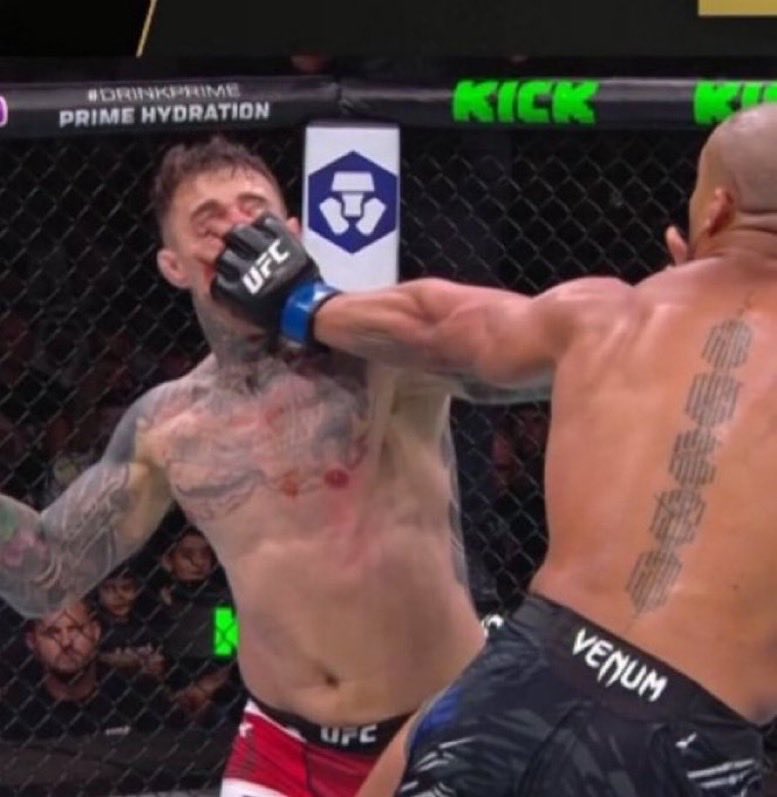
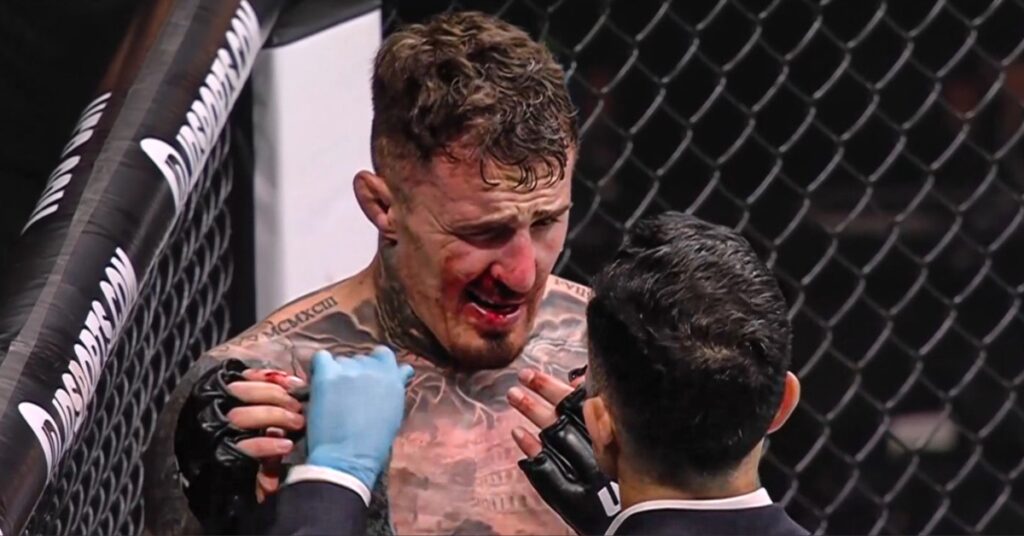
At UFC 321, Aspinall suffered injuries to both eyes during the first round when Gane extended his hands during a striking combination. Referee Jason Herzog gave Aspinall five minutes to recover, but the champion informed the ringside doctor he couldn’t see, leading to the fight being declared a no-contest with about 15 seconds left in the round. Aspinall was immediately transported to an Abu Dhabi hospital for further evaluation, although medical professionals confirmed he had suffered no long-term damage.
Eye pokes without punishment
Miller’s frustration stems from a deeper problem in MMA culture, one that he believes is fundamentally different from the sport’s past. He pointed specifically to the PRIDE Fighting Championship, where yellow card systems resulted in immediate 20 percent deductions for violations, creating a financial incentive for fighters to maintain control. Under that system, eye pokes became exceptionally rare because the consequences were real and immediate.
“It’s a problem, if it’s the hill I have to die on, then I think this is one of the biggest. It’s a serious problem we have in the sport, and I feel like not much has been done to solve it. MMA is about personal responsibility, right? Like you prepare, and then you have to execute. If you don’t prepare or you don’t execute, you’re going to get hit in front of millions of people. Now we have something here that is considered a problem. happens all the time. and no one is ever held accountable for their actions.”
Gloves?
The glove question often comes up in these discussions. Many observers, including commentator Joe Rogan and fighters Paddy Pimblett and coach Brad Pickett, have suggested that different glove designs can help reduce eye stings. However, Miller completely rejects this statement. He has worn UFC gloves 46 times and claims that the equipment does not prevent hand closure – it simply makes fine motor movements more difficult. The real problem, he argues, is the behavior of fighters and the culture that enables it.
“I’ve put on UFC gloves 46 times to fight in the octagon. Do they affect your ability to fully close your hand? Yes, they do, but they don’t affect your ability to at least partially close your hand. There’s obviously material in the palm of your hand when you wear an MMA glove and a wrap. So you can’t do good things, but you can close your hand. And when fighters don’t close their hand, things happen eye pokes.”
Implications
Miller’s response emphasized the fundamental difference between sports: MMA operates under completely different rules and with different equipment. Additionally, he noted that many eye pokes do not occur during roundhouse kicks, but rather during clinching prevention and distance management, situations in which fighters consciously choose to extend their hands and fingers. The solution, he argued, lies not in changes in equipment, but in the consequences.
Miller detailed specific penalties he would implement across all state commissions that adhered to uniform MMA rules. His framework calls for an immediate point deduction on the first mistake, not a warning, but an actual point loss from the scorecard.
If the fighter struck with an illegal shot cannot continue, Miller argued that the outcome should automatically result in a disqualification win for the injured fighter and a disqualification loss for the offender. This approach would eliminate the current system’s reliance on determining whether a violation was “intentional” or “unintentional,” a distinction that Miller views as a legal loophole that allows offenders to escape punishment.
“If we start punishing the fighters, point deductions right away. If the fighter hit with the illegal shot can’t continue, that should be a DQ win for the guy who got hit, a DQ loss for the guy. This whole intentional vs. unintentional nonsense drives me crazy. No one actually tries to hit anyone with an illegal shot, so they’ll always hedge and call it a no contest. Everyone goes away happy home. But if an illegal shot is landed and the fighter cannot continue, that should be a DQ. Away with the language of intentional and unintentional.”
Miller’s willingness to discuss personal injury illustrates why he speaks with special authority on this issue. He suffered significant damage from eye pokes during fights with Dan Hooker and Alex Hernandez. The Hooker incident resulted in scratches that required his eyelid to be stitched shut while the surgeon was working, causing permanent vision deterioration.
“If we don’t punish the violation, whether it’s a fine or a demerit point, the behavior will continue. Sooner or later something worse will happen.”
Miller also highlighted the inconsistency in how commissions handle different violations. Fighters can receive suspensions for reopening cuts due to preparation errors, face fines for jumping out of the octagon, and lose points for groin strikes, much more often than for eye pokes. Still, the potential for permanent vision loss makes eye injuries objectively more serious than most other violations in sports.
Post-fight comments from UFC president Dana White added to the controversy. White stated that Aspinall was “bloodied” and “didn’t want to continue,” language that seemed to assign blame to the injured champion rather than the fighter who committed the mistake.
#UFC #vet #Jim #Miller #sport #hasnt #eye #poke #cost #eyesight