

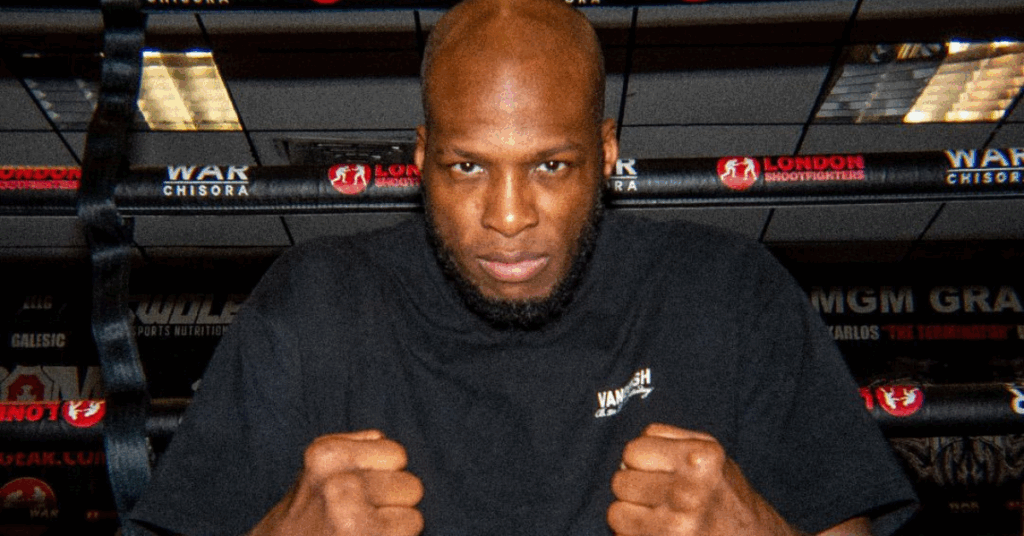
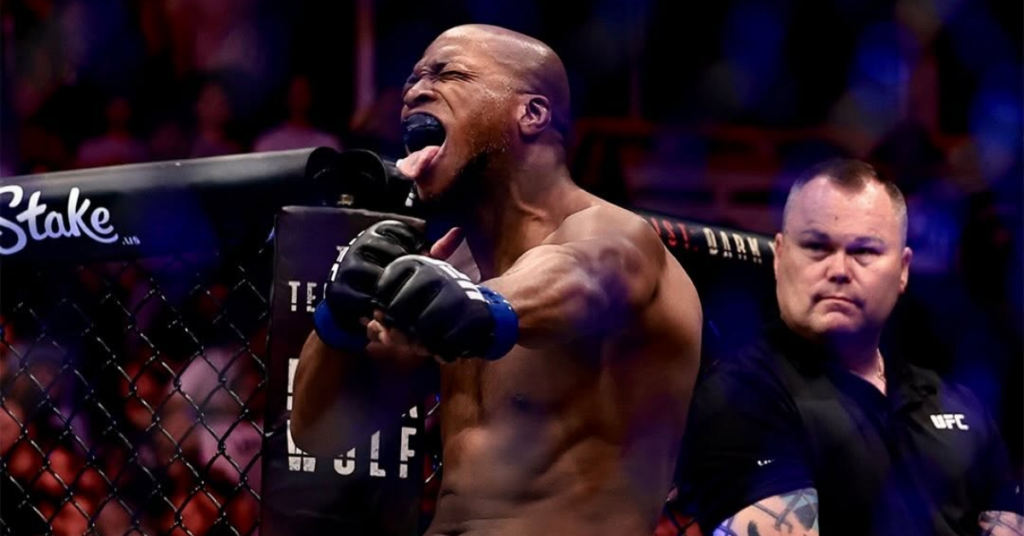
Michael “Venom” Page has put the UFC’s new seven-year, $7.7 billion media rights deal with Paramount into sharp perspective, viewing it less as a win for fighters and more as a win for the organization and its executives.
In a recent interview, Page said this is why he “wasn’t excited at first [the Paramount deal]because for me [the bonus increase] isn’t doing enough compared to the amount of money they just raked in for themselves.” His comments directly addressed the tension between UFC’s skyrocketing revenues and what they are willing to pay athletes, even as Dana White frames the same deal as a broad upgrade for fighters.
UFC’s new bonus structure and revenue
Among the most important things agreementUFC’s average annual media rights revenue nearly doubles, from about $550 million per year under ESPN to about $1.1 billion per year on paper. Dana White has repeatedly stated that “bonuses are clearly going up,” and presented that change as the first tangible benefit fighters will see. In practice, that has translated into the Performance of the Night and Fight of the Night prizes, each doubled from $50,000 to $100,000, plus a new $25,000 bonus for each finish, regardless of whether the fighter wins. At many events, this means the UFC is now betting at least $400,000 in post-fight bonuses, with some cards pushing that total much higher if additional finishes or bonuses are added.
From the UFC’s perspective, this is being sold as a multi-million dollar annual boost for fighters, separate from their base money and any pay-per-view points. White has portrayed the bonus increase as “low-hanging fruit” that can be implemented quickly, while the broader details of how the Paramount deal reshapes other parts of pay, such as PPV points and larger base contracts, are still up for debate. The structure is designed to reward aggressive finishes and exciting fights, but still leaves the base salary largely untouched for the majority of the roster.
Michael Venom Page’s skepticism about ‘value’ versus actual wages
Page’s criticism is less about the existence of the bonus bump and more about what it indicates in relation to UFC’s overall financial profits. He has pointed out that the UFC and its parent company TKO will add hundreds of millions of new dollars in profits each year, while adjustments on the fighter side have so far been limited to the bonus pool. In his words, the bonus increase “doesn’t do enough compared to the amount of money they just raked in for themselves,” positioning it as a relatively small concession compared to the size of the Paramount deal.
This thinking reflects a broader concern among fighters: The UFC’s business model is based on star athletes, but the most immediate financial rewards are directed higher up the chain, and not at the roster. Page’s own career has been spent in promotions covering major events, building a global following and helping sell shows, but now he finds himself in a UFC system where the value of the organization is soaring but the base pay structure for many fighters is still tightly controlled. For him, the bonus jump is a visible gesture, but it doesn’t change the underlying imbalance between the amount of money flowing into the company and how much actually flows into the pockets of the fighters.
How Dana White Is Rated Versus ‘People Outside of Sports’
Page’s next line is even more pointed: “To see how high [Dana White] values people outside the sport who built his reputation is honestly just disturbing. This refers to the way that UFC and its president have increasingly aligned themselves with mainstream media, celebrities and outside business partners, often at levels that overshadow the daily contributions of everyday fighters. White has appeared on major broadcasts, given interviews framed by corporate media, and positioned himself as a central figure in pop culture and even broader politics, while many fighters remain under relatively modest contract terms.
The people page likely being referenced includes executives, media personalities and outside business allies who have helped grow UFC’s brand and media appeal, sometimes without getting into trouble. Octagon. Fighters like him argue that for years it was athletes who built the sport’s credibility and audience, but now they are seeing the fruits of that fame due in large part to its promotion and leadership.
What this means for fighter pay in the UFC
Page’s comments are part of a longer-running conversation about UFC fighter pay that has intensified since the Paramount deal was announced. Sporting goods and MMA outlets have noted that UFC’s marginal profits could rise sharply with the new deal because many of its variable costs, such as production and advertising, are not rising at the same pace as rights revenue. That means the UFC has significant room to increase fighter payouts if it chooses, in addition to the currently announced bonus changes.
However, the organization’s approach has traditionally been incremental and bonus-oriented, with occasional spikes at major events rather than across-the-board pay increases. For fighters at the top of the sport, this can still translate into significant additional income, especially if they finish opponents or put in standout performances. For others lower on the list, the main economic impact is limited: a higher ceiling for a few nights, but comparable or only modestly higher floors in regular pockets.
What gives Page’s quote weight is that he is speaking from a position of experience in multiple promotions. Before joining the UFC, he was a longtime star at Bellator, where he covered major events and helped shape the promotion’s image with his style and personality. In interviews, he has consistently argued that fighters are underpaid relative to the value they create, and has even joined figures like Jake Paul on that point, despite criticism of Paul’s approach. That background makes his skepticism about the Paramount-era bonus bump seem based on data and experience, and not just frustration.
More money is coming into the ecosystem, but they’re keeping a close eye on whether UFC converts this into meaningful long-term pay improvements, such as higher base contracts, more transparent revenue distribution, or a larger overall share of the bonus pool, rather than one-off bonuses that spotlight stars while leaving the broader roster largely unchanged. Until that happens, comments like Page’s will continue to portray the Paramount deal as a corporate win, but not for anyone else.
#Raised #Lot #Money #Michael #Venom #Page #Talks #UFC #Brass #Paramount #Deal