
Key points
- In a 6-3 decision, the justices ruled that the law in question did not grant Trump the power he claimed to impose tariffs.
- Trump has promised to pursue tariffs through other legal authorities.
US President Donald Trump has reacted angrily to the US Supreme Court’s ruling that he does not have the power to unilaterally set import duties. He denigrates individual justice because he promised to use a different law to continue his global trade war.
The court’s historic 6-3 ruling on Friday (local time) upended the influence Trump and his trade envoys have exerted over foreign governments, both allies and foes, at negotiating tables around the world to reshape diplomatic relations and global markets.
It called into question the many trade deals his envoys have struck in recent months under the threat of high tariffs.
It pushed all three major U.S. stock indexes to their highest levels in weeks. And it left open the fate of the $175 billion that Trump collected from U.S. importers under what the court said was his misreading of the law.
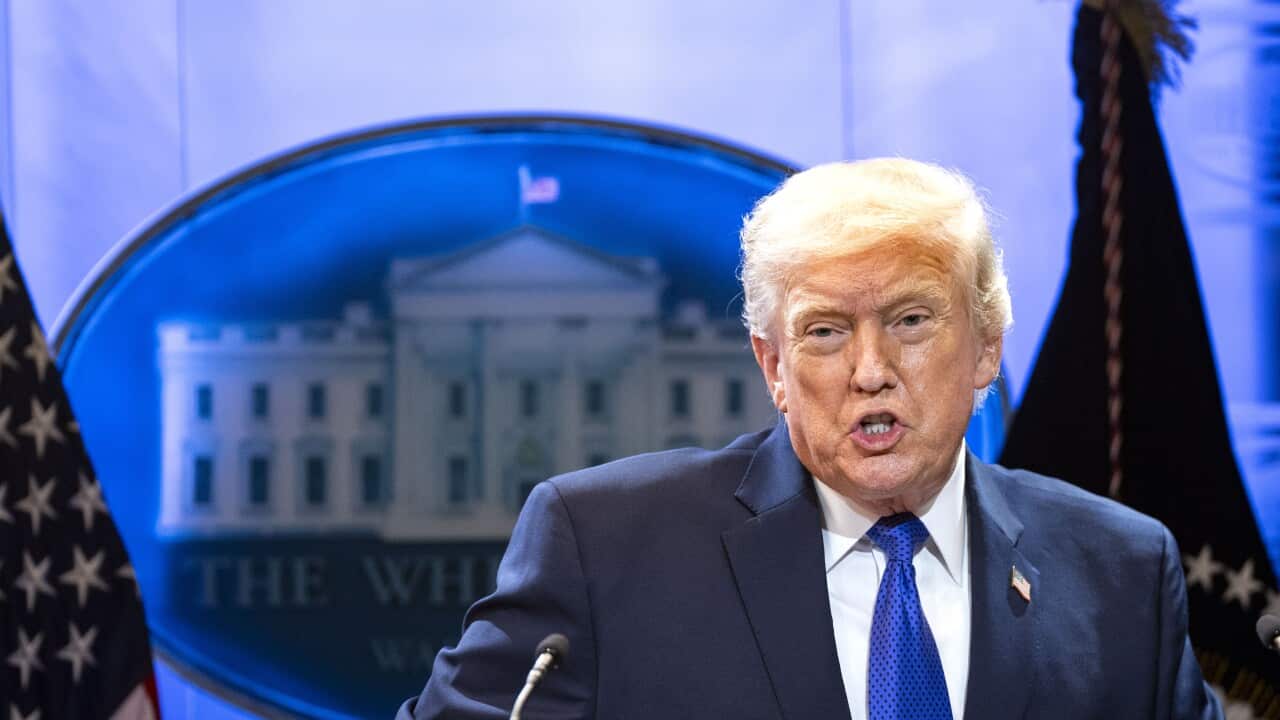
“I’m ashamed of certain members of the court, absolutely ashamed, because they don’t have the courage to do what’s right for our country,” Trump told reporters at the White House, complaining that foreign countries were ecstatic about the ruling and were “dancing in the streets.”
He insinuated, without evidence, that corruption played a role in the majority’s decision, which was written by Chief Justice John Roberts: “They are deeply unpatriotic and disloyal to our Constitution. I believe the court has allowed itself to be influenced by foreign interests and a political movement that is much smaller than people would ever imagine.”
Since returning to the White House 13 months ago, Trump has said he had what the court summarized as the “extraordinary power to unilaterally impose tariffs of unlimited height, duration and scope.”
Citing a national emergency, he said the International Emergency Economic Powers Act (IEEPA) meant he could set tariffs at whatever rate he wanted.
The court’s ruling was blunt: Trump has not proven that the president has this power and has exceeded his authority. A tariff imposed on U.S. importers is a tax like any other, the court said, and the Constitution reserves the power to “levy and collect taxes, imposts, imposts, and excises” to Congress.
In response, an angry Trump said he would invoke other laws to collect tariffs, and announced a blanket 10 percent tariff on imports from all other countries, on top of any existing non-IEEPA tariffs.
In doing so, he became the first president to invoke Section 122 of the Trade Act of 1974, in which Congress said the president could impose tariffs of up to 15 percent for up to 150 days to solve “fundamental international payments problems.”
For the latest news from SBS News, download our app And subscribe to our newsletter.
#Supreme #Court #overturns #Donald #Trumps #sweeping #global #tariffs