

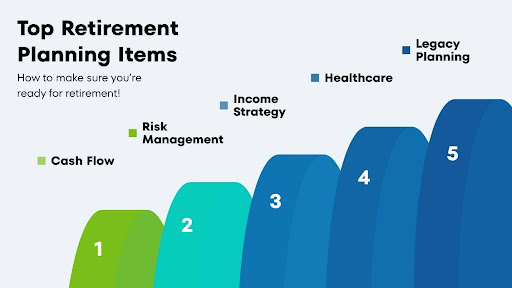
Retiring can bring up a whole host of feelings. Excitement is the most common outward expression, but financial fear and anxiety can creep into the background. There are several actions and checks you can take to ensure you are ready for retirement.
Preparing for retirement can feel like closing the door on stable income and stability. It’s not always as simple as ‘just getting started’ to withdraw money from accounts you’ve built up throughout your life. That’s why getting started well in advance (2-5 years before retirement) and having a well-thought-out plan can make a big difference.
Phase 1: The Reality Check (Cashflow & Budgeting)
Understanding your cash flow needs is the first step in preparing for retirement. It is impossible to guess the path to success. You need real numbers for how much money you need to live comfortably.
Once you know your monthly and annual expenses, we can work backwards to ensure you don’t run out of money.
The “Pension Dry Run”
Understanding cash flow needs is even more important if you plan to spend less in retirement. It’s a good idea to live off your projected retirement budget for three to six months while still working.
Better yet, try a few ‘dry run’ weeks or months. A mini-retirement to balance expenses and lifestyle can be helpful. It’s better to avoid surprises before you retire.
Identifying ‘needs’ versus ‘wants’
Although it seems simple, it is important to distinguish between essential expenses such as housing, food and health care, and discretionary expenses such as travel and hobbies. You want to treat both.
This is not the time to deprive yourself, but you have to be realistic. You’ve worked hard all your life to get where you are now. It’s best to maintain some flexibility so you can remain active, happy, and financially stable during retirement.
Accounting for taxes
You’ve focused on building up a significant savings and deferring taxes for later, when your income would be lower. Remember, your traditional 401(k) balance is before taxes. Unless you have money stashed away in a Roth IRA or Roth 401k, Uncle Sam will get his cut.
There are many strategies to save money on taxesbut you can’t avoid them forever. The tax authorities are impatiently waiting for the collection. You will face required minimum distributions and complicated tax laws regarding inherited assets.
Phase 2: Strengthen the safety net
Next, you’ll want to plan for the bumpy roads ahead. Not because we are focused on the negative, but because we want to get back on track as quickly as possible when the inevitable difficult moments arise.
The short-term money bucket
If you want to stay invested for the long term, you have to weather the storms when the markets go low. If you’ve been saving for decades, you already know the markets will recover, but market downturns feel different when you rely on your investments for income.
That’s why you need a solid emergency fund and “safer” parts of your portfolio. Having a safe bucket of bonds and cash can help you avoid selling stocks during a market downturn. This is commonly referred to as your returns order risk.
Aggressive debt reduction
It is highly recommended to have minimal high-interest consumer debt in retirement. You want to reduce or eliminate any current debt payments above the “safe” rate of return, which is often considered the 30-year Treasury index. This includes credit card balances, installment accounts, and most auto loans.
A common question is whether you have to pay off the mortgage. Obviously it depends, but for many people the bottom line is that the math pays off on time and your investments continue to grow.
Phase 3: The income strategy (social security and pensions)
For retirees, a steady stream of retirement income is critical. This can take the form of social security, a pension or an annuity. When you know the checks will keep coming, you can spend money without fear.
Developing a solid social security strategy
There is no one-size-fits-all answer to Social Security, but you should research it how social security is calculated. You might be surprised at the difference between signing at 62 and waiting until 70. There is no perfect answer because we don’t have perfect information.
Think about when you need the income. Also plan for Social Security in addition to other tax strategies, such as Roth conversions. Taxes can quickly become complicated.
Pension election decisions
If you’ve taken the time to earn a pension, choose between a lump sum payment and an annuity payment is of vital importance. Most retirement plans offer a number of calculators to help you decide, but again, we won’t have all the information needed to make a perfect decision until after your retirement is over.
Make sure you have done your research so you know you have made the decision with the best information possible.
The bridge strategy
For many retirees, you may want to use personal savings to delay retirement withdrawals, or Social Security to maximize monthly benefits. Or in some cases you retire earlier. There are ways to tap into your retirement savings, but they may not be ideal or even necessary.
Phase 4: Healthcare – The Great Unknown
Healthcare is one of the most important and expensive variables in retirement. You need to carefully create a health care plan to ensure that you get the best care at the best price during your retirement.
The Medicare Milestone
Medicare is a requirement at age 65 unless you meet specific criteria. You don’t want that miss your registration window because there are permanent increases to your Medicare premiums if you don’t sign up on time. At a minimum, you must choose between Medicare Part B&D and Medicare Advantage. You may also want to enroll in a Medicare Supplement or “Medigap” policy.
Be careful when comparing costs. There is no “free lunch” with Medicare, so even though a Medicare Advantage plan has lower premiums, your overall costs may be higher. However, you may be able to get better quality or access to care.
Bridging the gap
If you retire before you qualify for Medicare, you’ll need to look at other health care options. You should consider COBRA, the ACA Marketplace, or using your Healthcare Savings Account (HSA). Make sure you prioritize your care before strictly comparing costs.
The conversation about long-term care
For many retirees, long-term care seems far away. However, your options for long-term care coverage decrease over time. Be sure to evaluate your insurance or self-financing for potential care needs later in life.
Phase 5: Legacy and estate planning
Although our own mortality is the least fun topic possible, it’s better to make decisions early and enjoy life again.
Get organized
The death of a loved one is often unexpected and chaotic. You can minimize confusion for yourself and your family by organizing your wills, trusts, and power of attorney documents. It’s best to have a safe but accessible place to keep everything.
Beneficiary audit
It is a good idea to check the beneficiary designation every year or when there are major changes. It is vital to ensure that all the correct names are listed on your retirement accounts and insurance policies. You should also ensure that your assets belong to your trust in accordance with your estate plan.
Make sure everything matches everything else. If your trust, beneficiary designations, or your will don’t match, it can cause serious problems.
The family gathering
Finally, no estate plan is complete until everyone knows the plan. Communicating the plan directly to everyone involved will prevent future conflicts. Again, it’s not fun, but it’s necessary to talk things through.
Final step: putting your pension plan in motion
Retirement is a beginning and not an end. It is a new phase of life with unique challenges and opportunities. You will adapt and learn about yourself and your new lifestyle. It’s a similar shift to when you got your first job out of high school or college.
Wherever your retirement takes you, a solid financial plan will keep things going. If you haven’t already, consider it add a financial planner to your retirement team to guide you to your retirement. The early years after retirement are often the most crucial, so make sure you take your time, plan accordingly, and get everything right.
This article reflects the insights and opinions of the author and is not a recommendation or endorsement of their views or services.
About the author

Clint Haynes, CFP®
We help you build a retirement with joy, purpose and peace of mind.
Clint Haynes, CFP®
| Next generation wealth
🔗 Website | Wealth profile
#Retiree #Checklist #Essential #Financial #Steps #Stop #Working