

Electronic fuel injection revolutionized the automotive industry in the 1980s. It replaced the carburetor in the task of sending fuel to the cylinders of the engine, but it does much more: it controls various parameters of the engine’s operation, can change these parameters in an instant and records all these changes for future reviews. The result was that car engines were taken to a completely different level: they suddenly became more powerful, more efficient and less polluting.
On the other hand, none of this means that the carburetor should be forgotten. The industry used it for decades in many types of machinery, including motorcycles and generators, and made sure to improve it during that time. Carburetors were largely phased out as stricter emissions regulations eventually made it easier to switch to fuel injection altogether. When it comes to enthusiast use, mostly on classic cars and race cars, replacing a carburetor for fuel injection remains a rich and valid debate.
In short, electronic fuel injection is better for overall efficiency: it ensures that the engine runs in optimal conditions at all times, leading to several important benefits. On the other hand, installing that system in a car that wasn’t built for it requires a lot of parts replacement and a lot of work to get everything working safely and reliably.
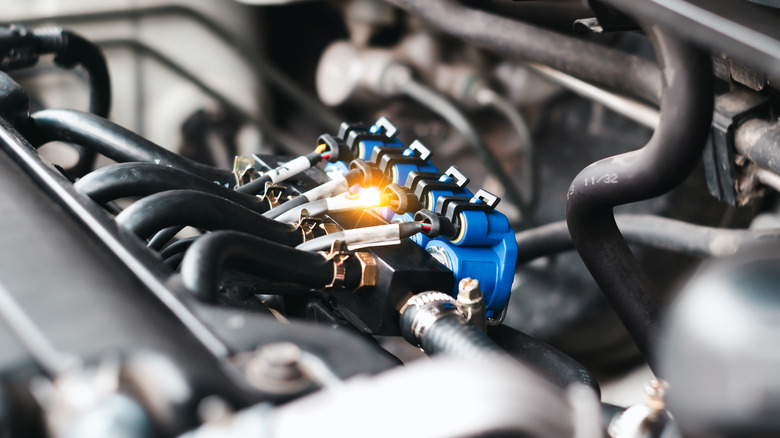
Fuel injection systems come close to peak performance
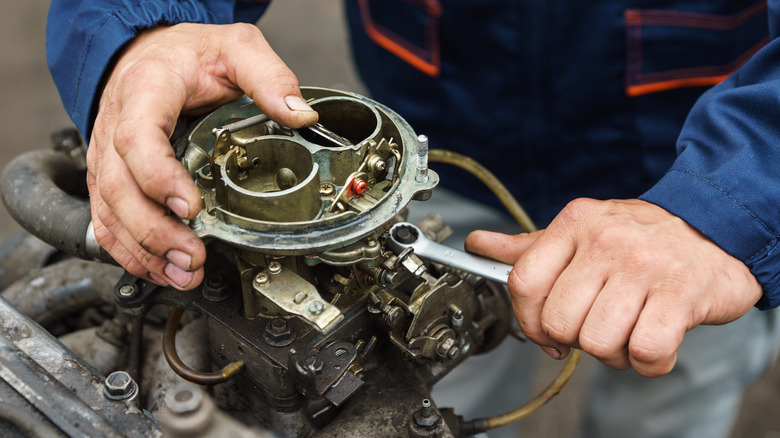
The carburetor relies on purely mechanical means: the most important are a throttle valve to regulate airflow, a float chamber from which fuel is drawn through jets, and a tube with a constriction where air meets the fuel in a controlled manner. Under normal conditions it can adapt to how much the accelerator pedal is pressed and not much else. There is a choke valve to help with cold starts, but it does this by adding more fuel than normal to the air/fuel mixture, increasing consumption.
In addition to the technical advantages already mentioned, there are more: fuel injection systems idle smoother, start easier on cold mornings and are easier to diagnose with scan tools. They are also less prone to fuel leaks and require less frequent maintenance, as carburetors require periodic adjustment and balancing. Modern fuel injection systems are not only more efficient, but also provide more consistent performance, which helps explain why they eventually dominated the mass market.
Maintaining the carburetor is easier and cheaper
And the complexity of the operation overshadows its potential benefits. Fuel-injected cars are more sensitive to dirty fuel and varying pressure, so they need more precision from the fuel system – think adding fuel filters before and after the fuel pump, a fuel pump that can pump at least 67 gallons per hour and, in most cases, a return line from the engine to the tank. It is also important to upgrade the wiring system to adequately ground the chassis and engine block to the battery and to avoid too many fuses and/or messy wiring. Ignition and fuel injector upgrades may also be necessary.
While the fuel injection is great in many ways, the bottom line is that the carburetor is far from dead; in fact, it equipped new cars in North America with it until the 1990s. Installing fuel injection in a carbureted car involves an extensive and detailed operation, although you may be able to do it yourself. The task obviously won’t be quick, but some modern systems offer plug-and-play installation to make it less difficult. Whichever system you choose, it is advisable to find reliable suppliers, do your research and take your time with the conversion.
#Pros #Cons #Replacing #Fuel #Injection #Carburetor #Jalopnik