

With the SAVE plan in legal limbo, IDR recertification deadlines shifting, and political uncertainty surrounding the Department of Education itself, millions of borrowers are confused about what they owe and when. Scammers know this. They call, text and email borrowers with promises of “immediate assistance” – for a fee that is both useless and illegal.
36%Year-on-year increase
$0What federal programs actually cost
How the scam works
The FTC has identified a pattern which is repeated in almost every student loan scam:
- Pretend to be the government – They claim to be from the Department of Education, Federal Student Aid, or a “government-approved” program. They’re not
- Create urgency – “This forgiveness program will end soon” or “You must take action within the next 48 hours.” Legitimate programs do not work this way
- Charge costs in advance — They collect $300-$1,000+ before they do anything. According to the FTC’s Telemarketing Sales Rule it is illegal to charge upfront for debt relief services
- Ask for your FSA ID — Your Federal Student Aid ID is like a password to your student loan accounts. Giving it away allows scammers to make changes without your knowledge
- Promise results that they cannot deliver – “Complete loan forgiveness” or “Eliminate your debt within 90 days.” No private company can guarantee this
The number 1 red flag: Any company that asks you to pay before they’ve done anything is breaking federal law. It doesn’t matter how professional their website looks or how official their letter sounds. Charging costs before achieving results in debt relief is illegal under the FTC’s Telemarketing Sales Rule.
FTC has halted several operations
The FTC is cracking down, but new scams continue to emerge. Recent enforcement actions paint a picture of how widespread the problem is:
Why it gets worse: The CFPB reported a 36% increase in federal student loan complaints in the year ending June 2025 compared to the previous year. Top issues: repayment issues (24%), credit reporting errors (15%), and confusion about the government loan forgiveness program (7%). When legitimate programs are confusing, scammers fill the information gap – for a price.
How to spot a student loan scam
Red flags (scam)
- Requests payment before providing any service
- Claims ties to government
- Asks for your FSA ID or login information
- Promises “guaranteed” forgiveness
- Creates urgency (“Limited time program”)
- Contacts you unsolicited by telephone, text message or e-mail
- Asks you to sign a power of attorney
Green flags (legitimate)
- Free to apply (all federal programs cost $0)
- You apply directly on StudentAid.gov
- Your loan servicer will help for free
- No pressure tactics or deadlines
- Transparent about what is guaranteed versus possible
- Never asks for your FSA login
- Accredited Non-Profit Credit Counselors (NFCC Members)
What you can do for free
Everything these scam companies charge for is available for free:
- Income-driven repayment enrollment — Apply at StudentAid.gov or call your service technician. Free
- Public Service Loan Forgiveness (PSLF) — Submit the PSLF form directly. Free
- Consolidation — Apply for a federal direct consolidation loan online. Free
- Postponement or forbearance – Contact your loan servicer directly. Free
- Borrower defense claims – File on StudentAid.gov if your school ripped you off. Free
Before you sign anything: If a student loan company sends you a contract, run it through the Contract Decoder first. It’s free – and it’s your last chance to spot warning signs before you commit.
What to do if you’ve been scammed
- Change your FSA ID immediately – Go to StudentAid.gov and update your password if you shared it
- Contact your lender — Check what changes (if any) have been made to your account
- Report to the FTC – File a complaint with ReportFraud.ftc.gov
- File a complaint with the CFPB – Hand in at consumerfinance.gov/complainance
- Dispute with your bank — If you paid with a credit card, you may be able to dispute the charge
- Understand ALL your options — Take the free Find Your Path quiz to find out the best approach for your debt situation
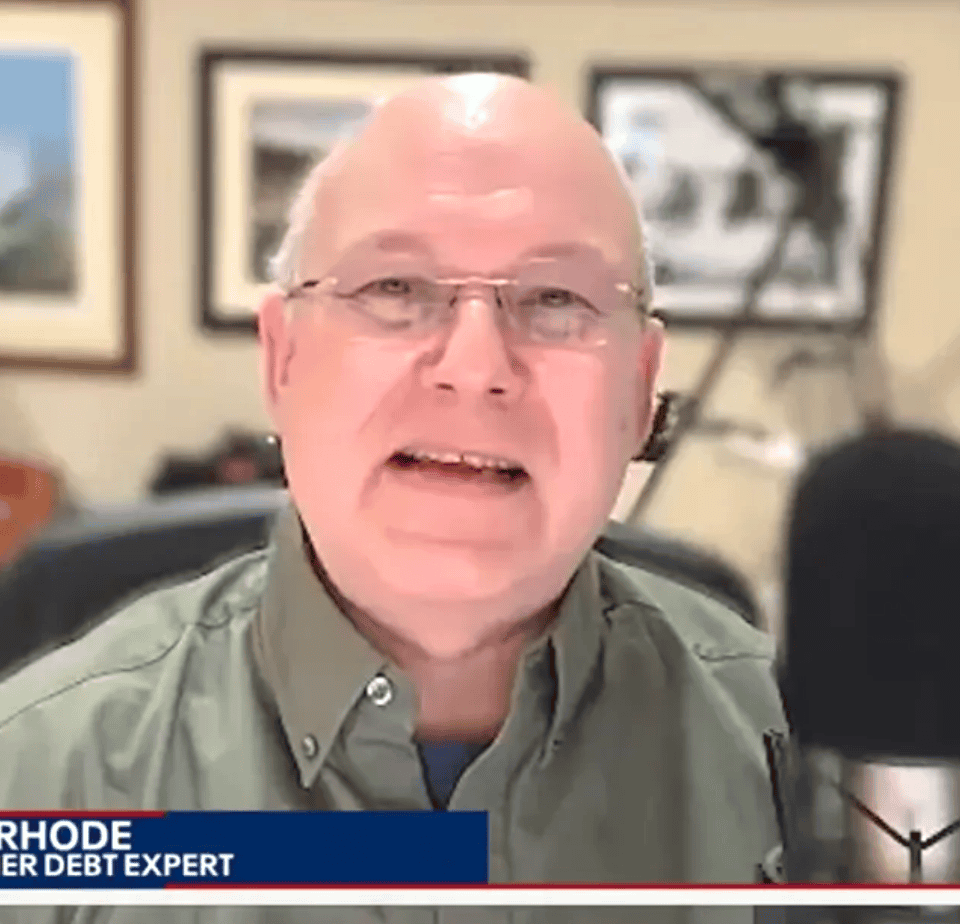
Debt is math, not morality. And the math says you should never pay anyone for services that the government provides for free.–Steve Rhode
Key Takeaways
- Student loan complaints reached a record 22,900 in one year – an increase of 36% – as confusion over repayment rules creates openings for scammers
- The FTC has halt multiple operations who collectively stole millions: Superior Servicing, USA Student Debt Relief, Prosperity Benefit Services
- Charging upfront fees for student loan debt relief is illegal under federal law
- Never share your FSA ID with any company — it gives them control over your accounts
- Everything is free – IDR enrollment, PSLF, consolidation, deferrals – all on StudentAid.gov at no cost
- If You’ve Been Scammed: Change Your FSA Password, Call Your Administrator, and Report to the FTC
Frequently asked questions
Is it illegal for a company to charge me for student loan assistance?
Under the FTC’s Telemarketing Sales Rule, it is illegal for a company to charge you upfront fees before they provide debt relief results. Some legitimate companies may charge fees after services are provided, but any company that demands payment before doing anything is violating federal law. All federal student loan programs (IDR enrollment, PSLF, consolidation) can be applied for directly.
How do I know if a student loan company is legit?
Legitimate assistance is available through your loan servicer (free), accredited non-profit credit counseling agencies (NFCC members), and directly on StudentAid.gov. Any company that claims government ties, asks for your FSA ID, charges upfront fees, or promises “guaranteed forgiveness” is showing signs of a scam. Check companies at ReportFraud.ftc.gov and consumerfinance.gov/complaince before paying anything.
What should I do if I have already paid a student loan scam company?
First, change your FSA ID password immediately at StudentAid.gov. Then contact your loan servicer to verify what changes have been made to your account. File complaints with both the FTC (ReportFraud.ftc.gov) and the CFPB (consumerfinance.gov/complaince). If you paid by credit card, contact your card issuer to dispute the charge. You may be able to get your money back through a chargeback.
Is the SAVE subscription still available?
The SAVE (Saving on a Valuable Education) plan is currently in legal limbo due to court challenges. From early 2026, borrowers registered with SAVE may be in administrative forbearance. Check StudentAid.gov for the most up-to-date information on SAVE and other income-driven repayment options. Your credit manager can explain your current options free of charge.
Why are student loan scams increasing?
Confusion creates opportunity. With the SAVE plan being challenged in court, IDR recertification deadlines shifting, political uncertainty surrounding the Department of Education, and more than 43 million borrowers navigating a complex system, many people are unsure of what they owe or what programs are available. Scammers take advantage of this confusion by offering “easy fixes” – for a fee that is both unnecessary and illegal.
(Source: CNBC | FTC Consumer Alerts | Monitor consumer finance)
#Student #loan #scams #rise #protect