



Tipping has become a standard part of dining out, but for many it raises difficult questions about money and social expectations.
If you’re feeling financially pressured, leaving 20% on top of your bill can seem impossible or even unfair.
This post looks at the tip standard and whether it is realistic for everyone. It also offers thoughtful ways to handle tips without sacrificing your budget or feeling guilty. Let’s see what makes sense for you and your wallet.
Yes, you still have to tip
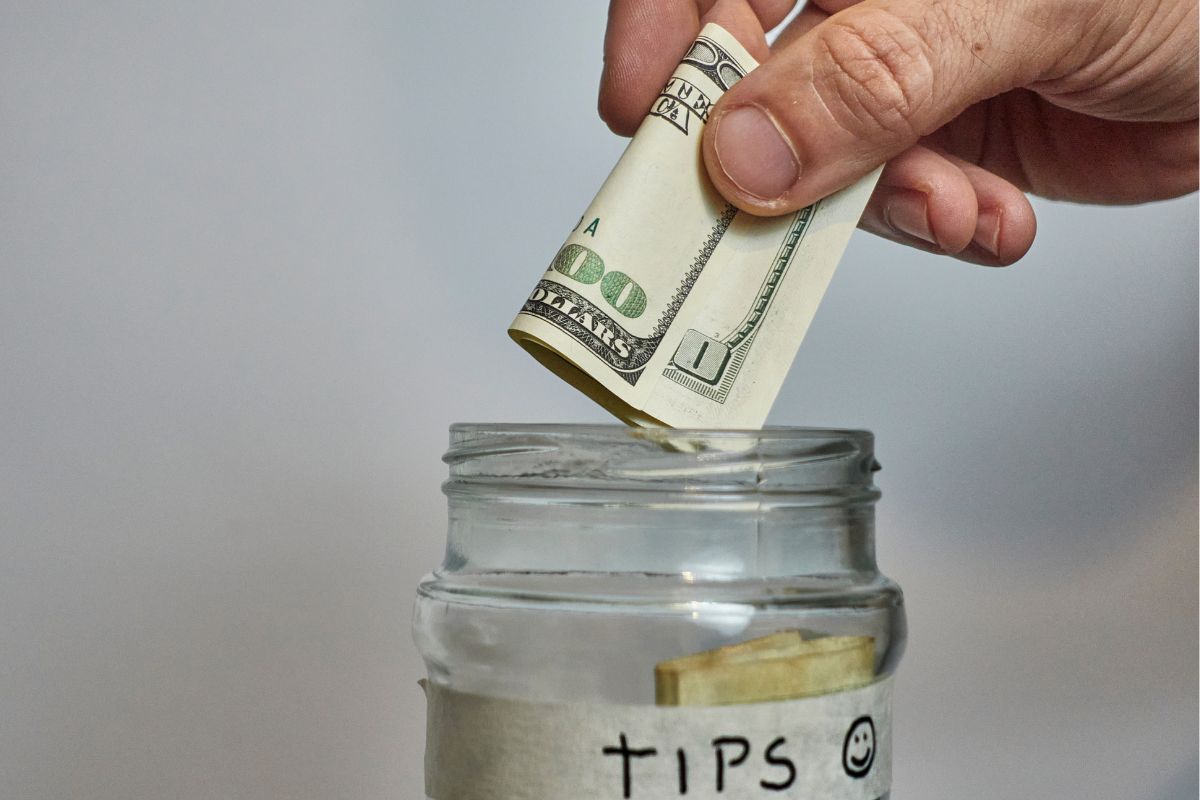
Tipping is a way to show appreciation for good service and is essential for service workers who rely on it to supplement their wages.
A 20% tip may feel like a tall order, but even a smaller amount makes a difference. It reflects gratitude for the efforts made by the staff to make your experience enjoyable.
For more information: I Appreciate You: Why Appreciation Matters + 3 Ways to Show It
If you can’t afford to tip, stop eating out or using this service
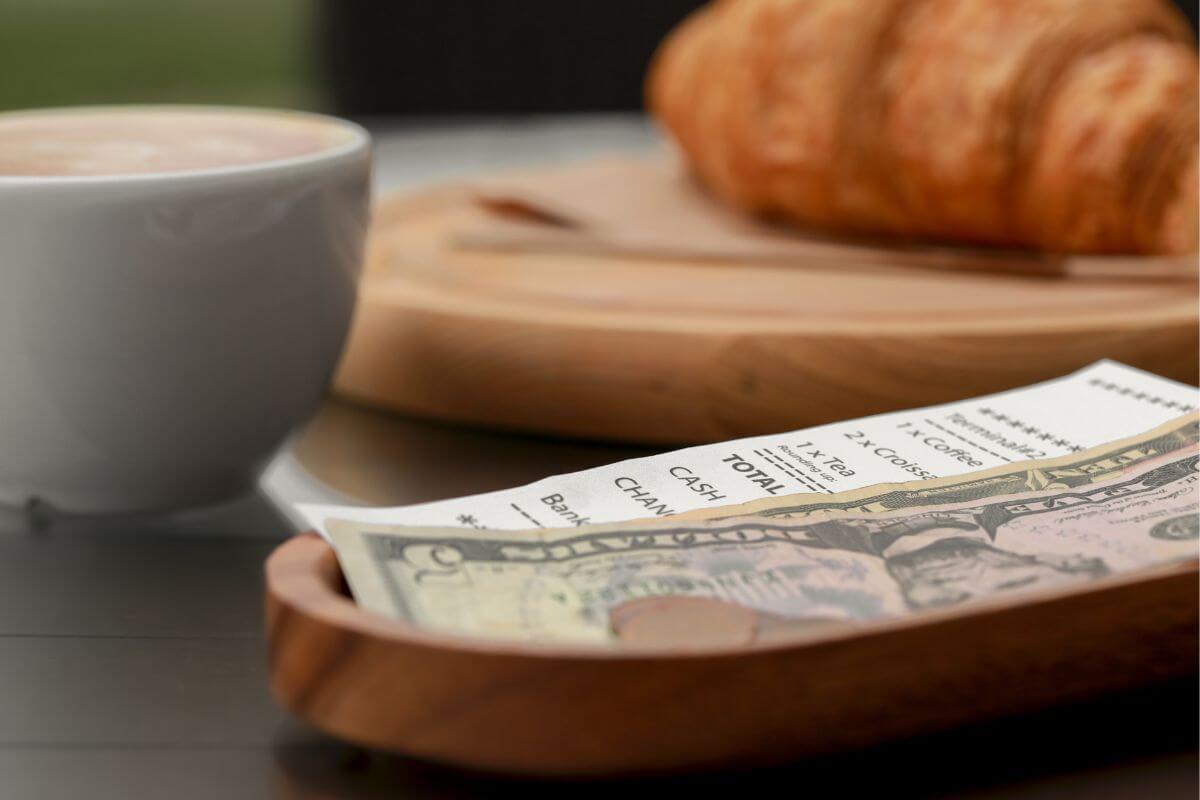
Hard truth here. Don’t put yourself in a situation where you have to tip if you can’t afford it.
Eating out or using services where tips are expected comes with the responsibility to tip. If it feels prohibitively expensive, consider cooking at home or using self-serve options. It’s better to tailor your choices to what your budget can support while being fair to employees.
For more information: How Daily Habits Shape Your Financial Future
Tipping supports service workers who often rely on tips as part of their income

Many service workers rely on tips to supplement low hourly wages, especially in the restaurant and hospitality industries. Without tips, they may struggle to pay rent or cover basic expenses.
Tipping is not just a matter of courtesy; it helps them earn a living.
For more information: The Best Easy Ways to Make Extra Money Even While Staying Home
Consider tipping less if the service is terrible

If the service is far below your expectations, it’s okay to tip less to reflect your dissatisfaction. Skipping a tip entirely can be tough unless the experience is truly unacceptable and you’ve spoken to the manager about what happened.
Tipping less is still a recognition of their work while also indicating that there is room for improvement – only if warranted.
For more information: 20 Practical Budgeting Tips for Real Life
Consider your dining out budget to avoid overspending

Planning for tips as part of your dining budget will help you avoid financial strain. Include the standard 15-20% when calculating the costs of eating out.
This way you stay prepared and can dine responsibly without stressing about money.
For more information: 10 simple tips to avoid spending too much money you don’t have
Opt for dine-in or take-out if tipping feels burdensome

If tipping seems like too much, a smarter option may be to stay home to cook or order takeout (with a 10% tip).
These choices allow you to enjoy good food and save money at the same time. It’s a practical way to keep your finances under control without completely sacrificing convenience.
For more information: 100+ Frugal Meals for When You’re Broke or on a Budget
Consider whether eating out is a priority when funds are tight

If money is tight, it’s worth considering whether eating out is necessary. Cooking at home is usually more budget-friendly and avoids the added expense of tipping.
This is one of the fastest ways to make improvements to your budget. Making this adjustment can free up your finances for more pressing priorities.
For more information: The 60 BEST Budget Shopping List Items for Cheap Eating
Do you think our tipping culture has gone too far?

This debate raises questions about where the line should be drawn and how the tilt culture might change in the future. Hot debate, I know… You can comment on your opinion.
Some believe that tipping is getting out of hand and placing an unfair burden on customers. Others see it as an essential way to support employees.
For more information: debate about paying with credit cards versus crypto
moral obligation regardless of personal finances?

For some, tipping is a moral responsibility to support those providing a service, even when money is tight. Others believe that their financial situation should take priority.
This debate highlights the tension between ethical values and personal limitations.
For more information: Frugal Habits That Famous Celebrities Do
Should tips be eliminated if there are higher wages for employees?

If workers earned higher wages, tipping might no longer be necessary. Shifting the responsibility for fair pay to employers could change the way tipping works.
This raises questions about whether higher wages could create a more balanced system for everyone.
For more information: 41 great jobs that pay more than minimum wage
Major cultural differences exist when it comes to tipping

Tipping customs vary widely around the world, from mandatory to optional to non-existent.
Understanding these differences can help you avoid awkward situations and respect local norms. It’s important to know what’s expected wherever you go.
For more information: the best countries to live as a retiree
What is your view on tipping culture?

Tipping raises strong opinions: some see it as an outdated system, while others see it as essential for fair compensation.
Thinking about your own thoughts about tipping can help you decide what feels good and how to approach it in your daily life.
For more information: 15 Simple Money Goals That Build True Financial Freedom
Dig deeper into tipping etiquette

Proper tipping etiquette depends on the situation, whether it’s a restaurant, delivery service, or other context.
Knowing the right amount to tip helps avoid awkward moments and shows respect for the work being done.
It’s all about finding the right balance.
For more information: Essential Tipping Etiquette: What You Need to Know
Do you know someone else who also needs this? Then please share!!

Did the message affect you?
More importantly, have I answered the questions you have on this topic? Let me know in the comments if I can help in any other way!
Your comments are not only welcome; they are an integral part of our community. Let’s continue the conversation and explore how these ideas fit into your journey to Money Bliss.
#tip #feel #afford #Money #happiness