

A common theme of the widely used three-class e-bike system in the US is that it exempts low-speed electric bicycles from the headaches of licensing and registration. That’s because it typically categorizes Class 1 and Class 2 e-bikes as traditional bicycles, distinguishing them from motor vehicles. States will only start taking stricter measures when these bikes become capable of reaching the speed levels of motorcycles.
Alaska, Massachusetts, New Jersey, New Mexico and Hawaii stand out as the places where riders can’t assume they are safe. These states regulate e-bikes the same way they regulate motorcycles. Top speed is a measure that lawmakers use to distinguish between the two, with anything that reaches a speed of 40 to 45 km/h often falling into the same category as a motorcycle. In other cases, states merge different laws while loosely following the industry’s Class 1/2/3 framework. For more information about the classification system, here’s what each e-bike class actually means.
The states where e-bike riders may need a driver’s license

Alaska is taking the toughest stance on this issue. While there is no registration requirement or insurance mandate, e-bikes are banned from sidewalks and bike paths, riders must be at least 14 years old, and you must have a Class M driver’s license to even think about riding an e-bike.
In Massachusetts, riders must register any bicycle traveling at 25 mph and need a permit to use it, as the state considers these bikes motorized. Only class 1 and class 2 bicycles are recognized as true electric bicycles.
Another state where Class 3 bicycles are given motorized bicycle status is New Jersey, where riders must be at least 15 years old, have an operating license and register the bicycle. However, Class 1 and Class 2 e-bikes are treated like regular bicycles, without licensing and registration mandates. On the other end of the spectrum is New Mexico, where all e-bike riders have a broad licensing requirement, with a minimum age of 16.
What riders can expect next and how to stay legal
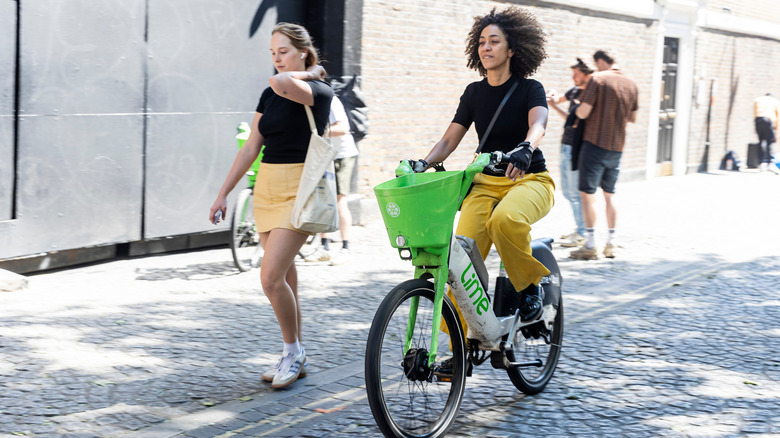
As they try to catch up with the new Class 3 models at higher speeds, blurring the lines between bicycles and motorcycles, states and cities are regularly adjusting their regulations. Although many states, such as California, currently do not have specific regulations regarding licensing and registration for e-bikes, that does not mean this will always be the case.
For all states that require drivers to have a driver’s license, the process of obtaining a driver’s license is just as tedious as it is for motorized vehicles. From waiting in line at the DMV and providing the necessary IDs and documentation to taking a test and paying a fee, no one is spared from this process. For everyone else, it’s best to stay prepared at all times. If local regulations prohibit riding an e-bike on closed sidewalks and paths, breaking these rules can result in fines and authorities may even confiscate your bike. There aren’t many cheap e-bikes out there, so you don’t need fines to lighten your wallet even more.
#Riding #ebike #require #permit #states #Jalopnik