

Because SSH access is available on all Kinsta managed hosting for WordPress plans, developers can securely connect to the Kinsta environment and work with their WordPress files remotely.
In this article, we explore how remote WordPress development works on Kinsta using SSH and VSCode. This approach also applies to other IDEs, such as Cursor and Antigravity.
Get started
To get started, you’ll need access to your site’s SSH credentials. You can find this at MyKinsta > WordPress sites > [sitename] > Infounder the Primary SFTP/SSH user section.
Here you will see the following connection information:
- Host
- Username
- Port
- Password or SSH key
This information is required to connect to your environment via SSH.
Then install the Remote – SSH extension in Visual Studio Code or your favorite IDE. Click on the Extensions icon in the left sidebar, search for Remote – SSHand install the extension.
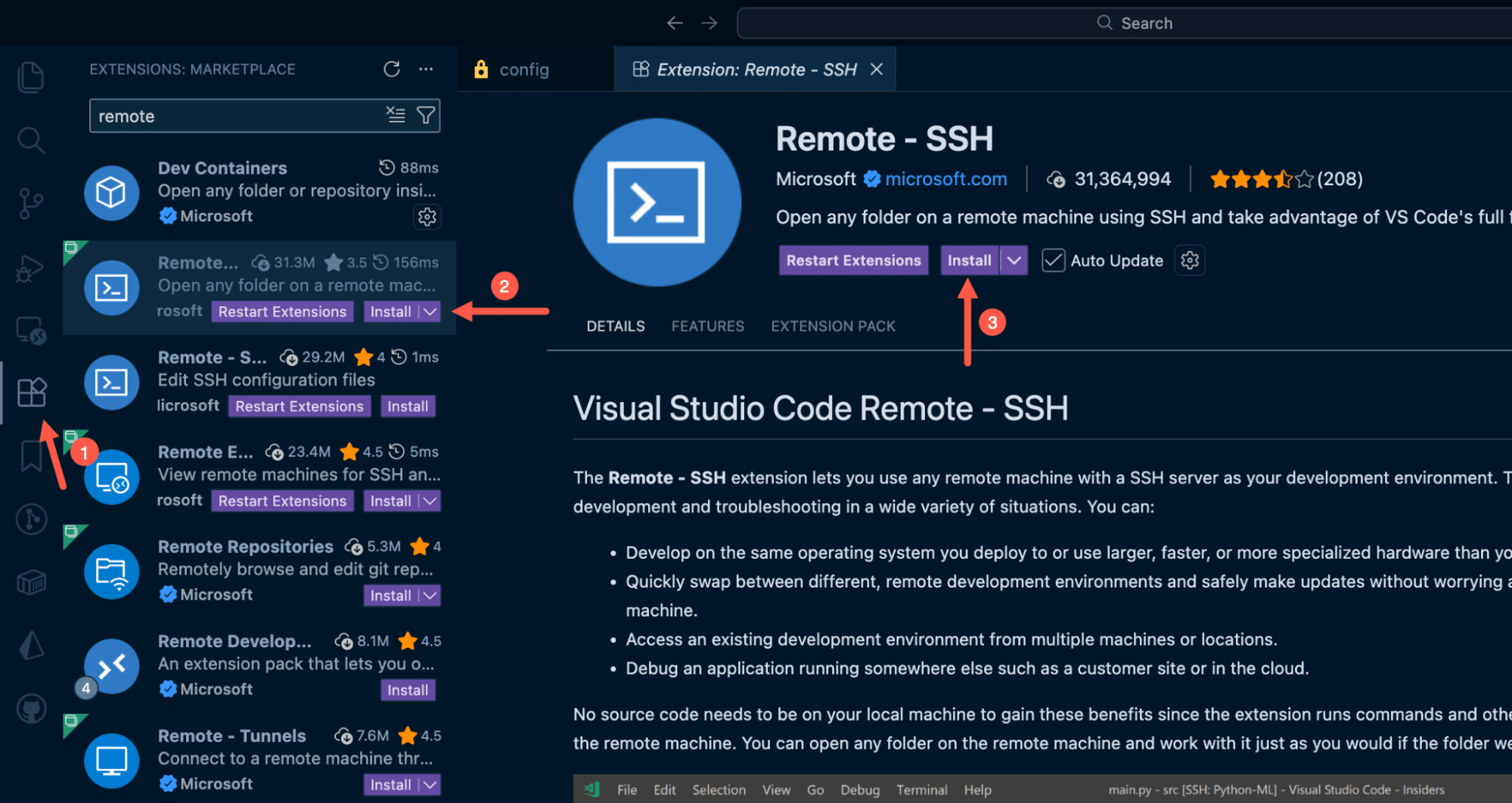
Connect to your Kinsta site via SSH
Before connecting through your IDE, it’s a good idea to confirm that SSH access works from your local machine.
Open a terminal (or PowerShell on Windows) and run the following command, replacing the placeholders with the values from MyKinsta:
ssh username@host -p portOnce the connection is established, you will be asked to enter your password and log in to the server. Once confirmed, you can use the same credentials in your IDE.
To connect to VS Code, open it Command palette:
- macOS:
Cmd + Shift + P - Windows/Linux:
Ctrl + Shift + P
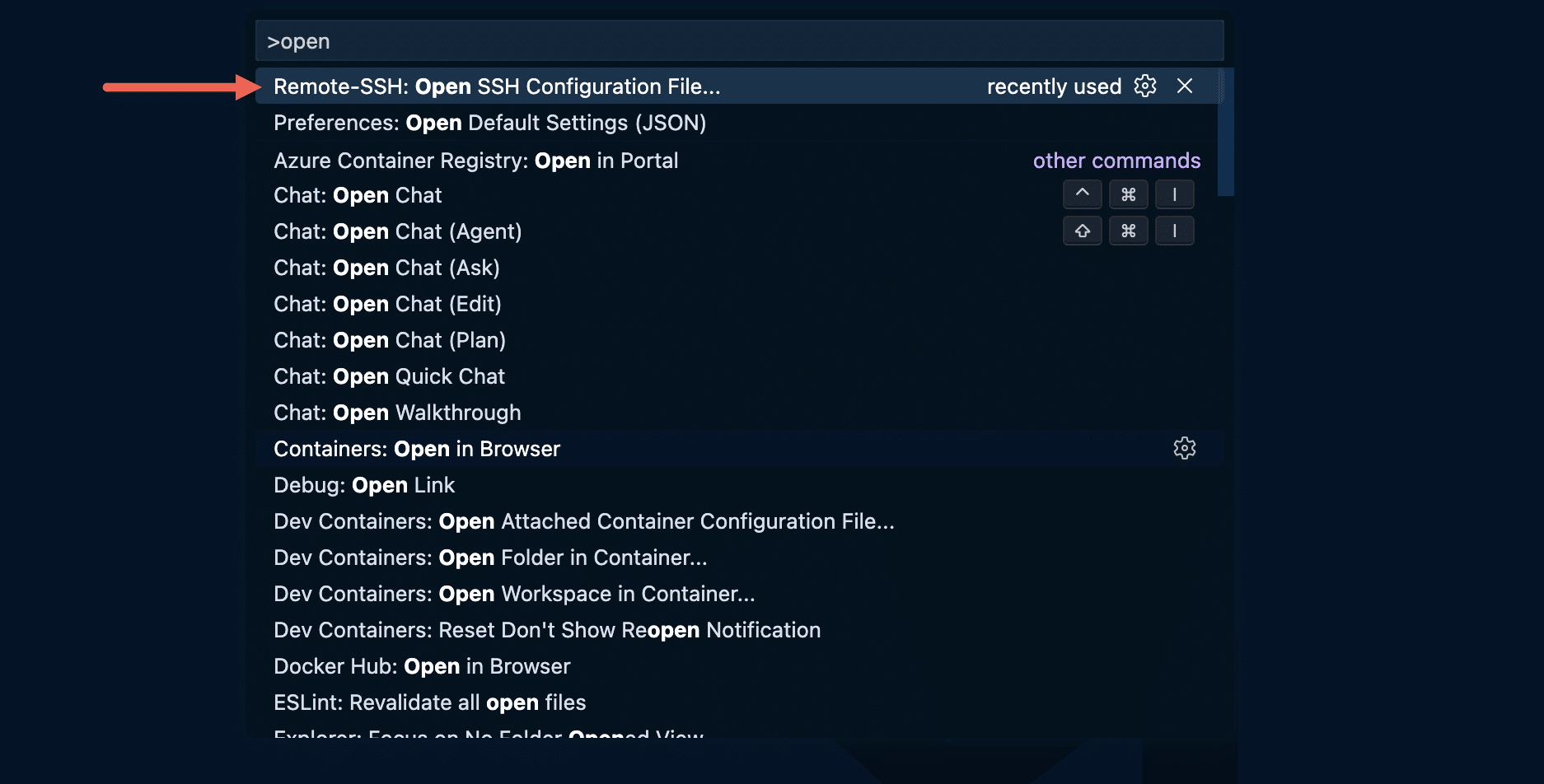
From the command palette, select or search for Remote-SSH: Open the SSH configuration file.
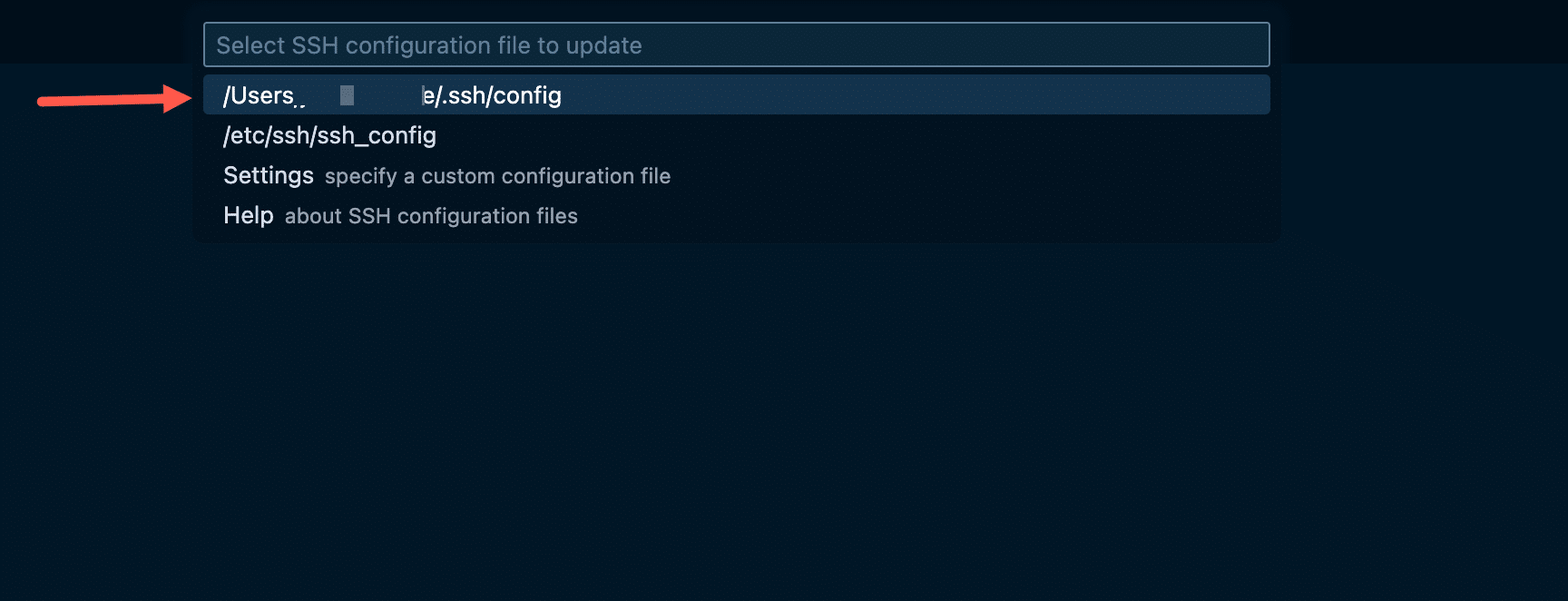
If this is your first time using Remote – SSH, VS Code will ask you to choose an SSH configuration file. Select the default SSH configuration file for your system (for example ~/.ssh/config).
Once the file is open, add a new entry with your Kinsta SSH credentials:
Host kinsta-mysite
    HostName 12.345.67.890
    Port 12345
    User username
Save the file and reopen the file Command palette and run Remote SSH: Connect to host…. Select kinsta-mysiteand VS Code will open a new external window asking you to enter your password (or use your SSH key, if configured).
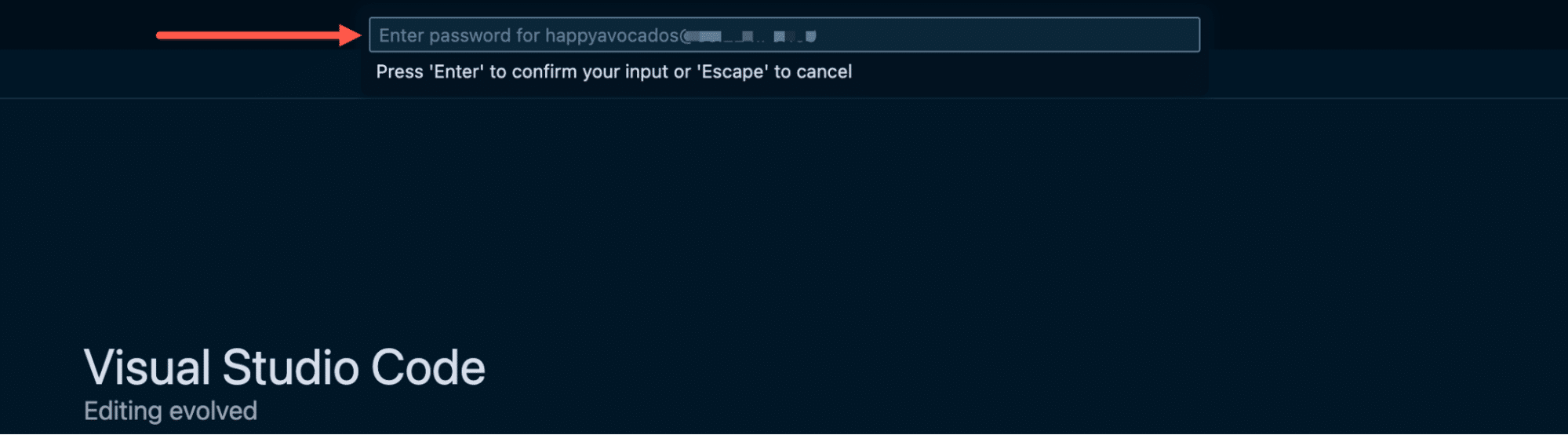
Once connected, you can then choose a folder. For WordPress sites on Kinsta, your site files are located at /www/[sitename]/public.
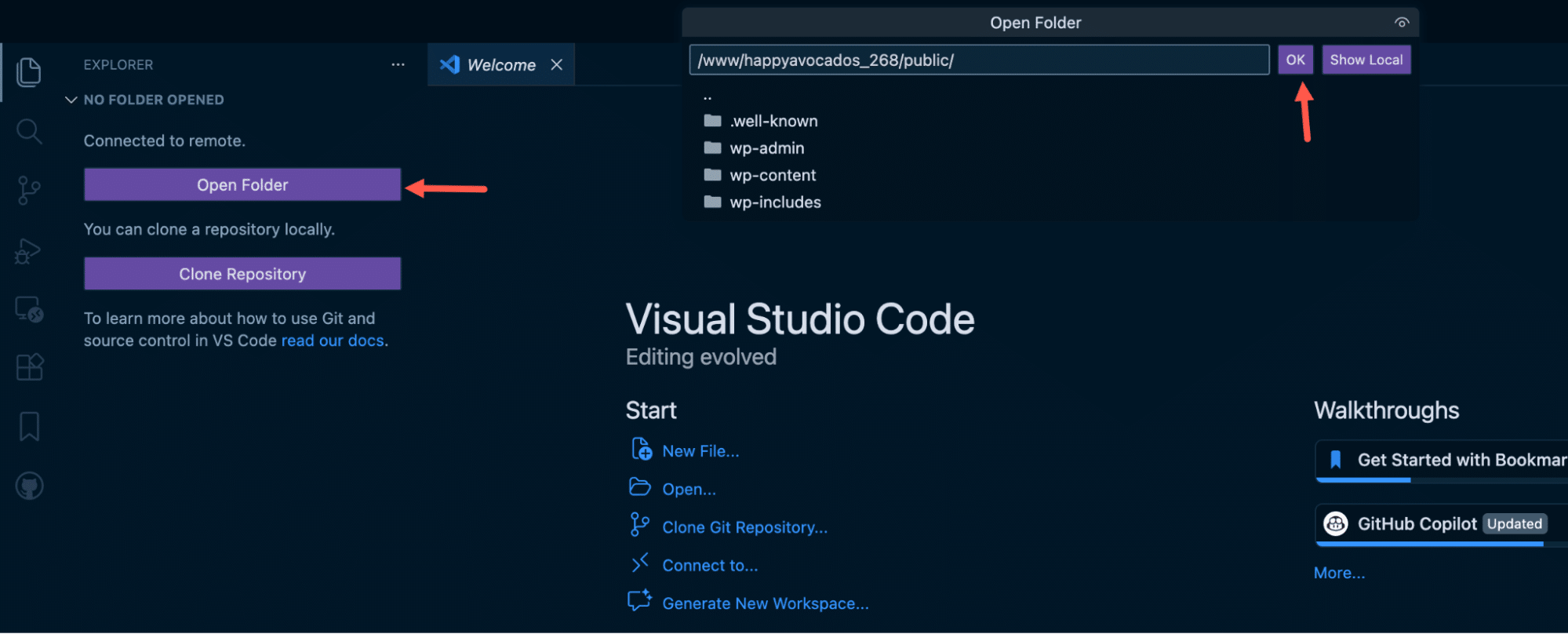
At this point you are working directly in the remote environment.
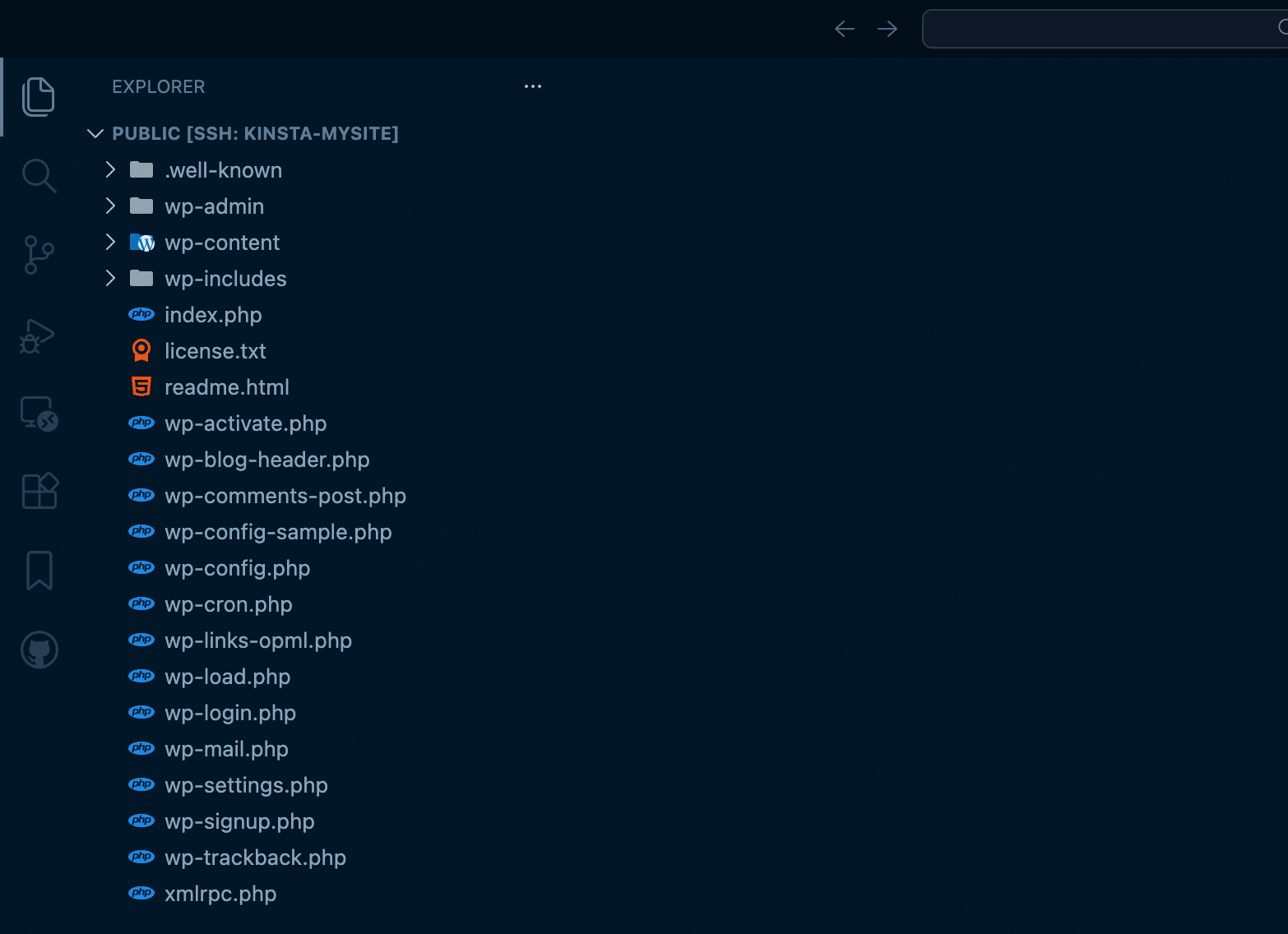
VS Code or your favorite IDE treats the files as if they were local, allowing you to edit code, run commands, and use extensions without downloading the site to your machine.
When remote WordPress development makes sense
Remote WordPress development isn’t intended to replace every local workflow, but it may be a better fit for specific scenarios where local settings become a burden rather than a benefit.
In a recent LinkedIn discussion about moving WordPress sites between hosts, one developer points out the ability to use VS Code’s SSH extension to work directly on a Kinsta-hosted site is a key benefit, noting that it eliminates local environment configuration, avoids storing client data on a developer’s computer, and simplifies working with large databases.
That said, remote development should be used intentionally. For ongoing feature development or larger changes, combining this approach with a staging environment and MyKinsta’s Push environments provides a more secure and structured workflow.
If you already host WordPress sites on Kinsta, SSH access is available by default. And if you’re exploring hosting options that support modern, developer-friendly workflows, Kinsta’s managed hosting for WordPress is built out of the box with SSH, staging, and flexible deployment tools.

Kinsta
Joel is a frontend developer and works at Kinsta as a technical editor. He is a passionate educator with a love for open source and has written more than 300 technical articles, mainly around JavaScript and its frameworks.
#Remote #WordPress #development #Kinsta #SSH