

Why recovery in golf is more important than you think
Although golf is often thought of as low-impact, the sport places significant stress on the body. A single round can include more than 300 swings if you include warm-ups, and the rotational forces on the spine and hips during a driver swing can be greater than eight times the body weight. Research among professional golfers shows that common post-round problems include lower back tightness, forearm strain, hip pain and dehydration-related fatigue.
This is why P.G.A And LPGA Tour players have integrated science-based recovery protocols into their daily routines – protocols that recreational golfers can easily adopt.
Rehydrate and restore electrolytes early
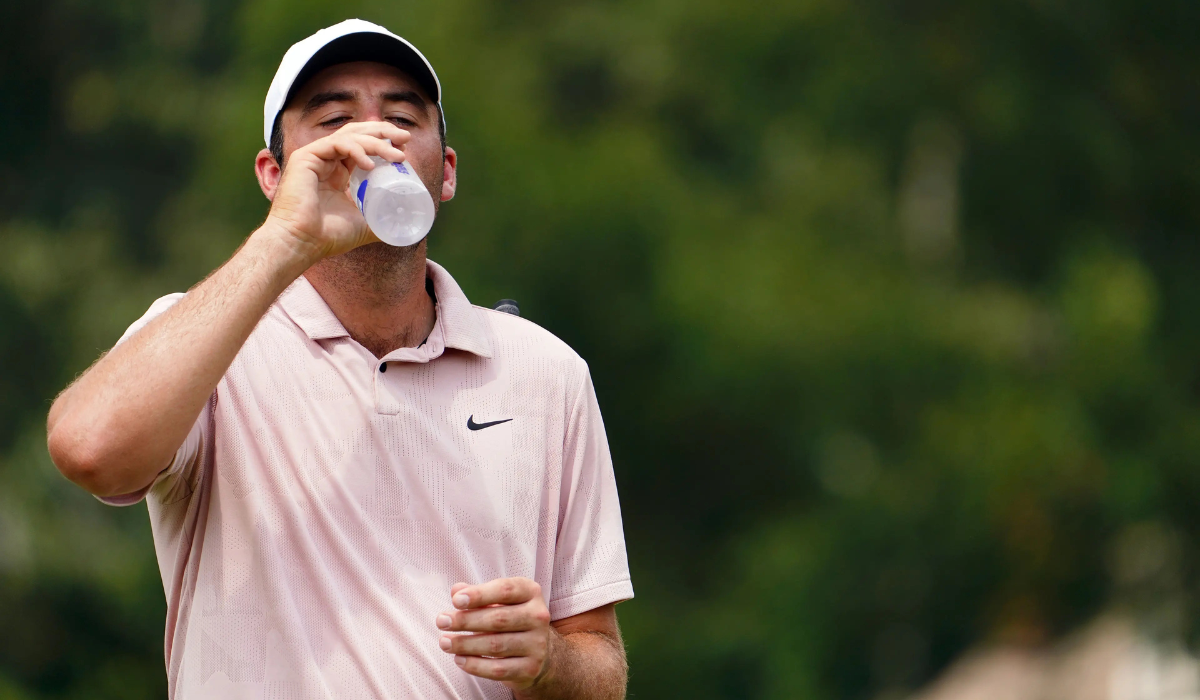
Golfers often underestimate how much fluid they lose outside four to five hours. Even mild dehydration – as little as 1 to 2% of body weight – can reduce focus, muscle coordination and endurance. Pros start rehydrating before their round ends and continue immediately afterwards.
Water is essential, but replacing electrolytes such as sodium, potassium and magnesium helps reset the neuromuscular system. Sports drinks, coconut water or electrolyte tablets can speed up recovery. A general guideline used by sports physiologists: drink approximately 500-700 ml of fluid within 30 minutes of playing, especially on hot days.
Gently stretch to release swing tension

After a round, the muscles tend to shorten and tighten, especially in the hips, hamstrings, thoracic spine and forearms. Tour trainers encourage players to do 10 to 12 minutes of dynamic-static stretching once they leave the court.
Key areas include:
- Hip flexorsthat become tighter through walking and turning.
- The thoracic spine needs mobility for an efficient swing.
- Wrist flexors and extensorsas repeated impact creates tension.
Stretching immediately after play prevents compensation patterns, reduces stiffness the next day, and maintains rotational flexibility — a key predictor of clubhead speed longevity.
Refuel like an athlete, not a spectator

Golf burns more calories than many think: Walking 18 holes typically burns 1,000 to 1,400 calories, while even cart runners burn about 600 to 900, depending on the terrain. This means that your body needs the right nutrition after the round.
Pros follow a ratio that sports dietitians recommend: 3:1 carbs to protein within the first hour after the round. Carbohydrates replenish muscle glycogen, while proteins support muscle recovery.
Great post-round picks include:
- A chicken and rice bowl
- A lean wrap with turkey and vegetables
- Greek yogurt with fruit
- A protein shake with banana
A well-timed recovery meal helps reduce fatigue the next day and supports consistent play in multi-round events.
Cold therapy: a tour player’s favorite
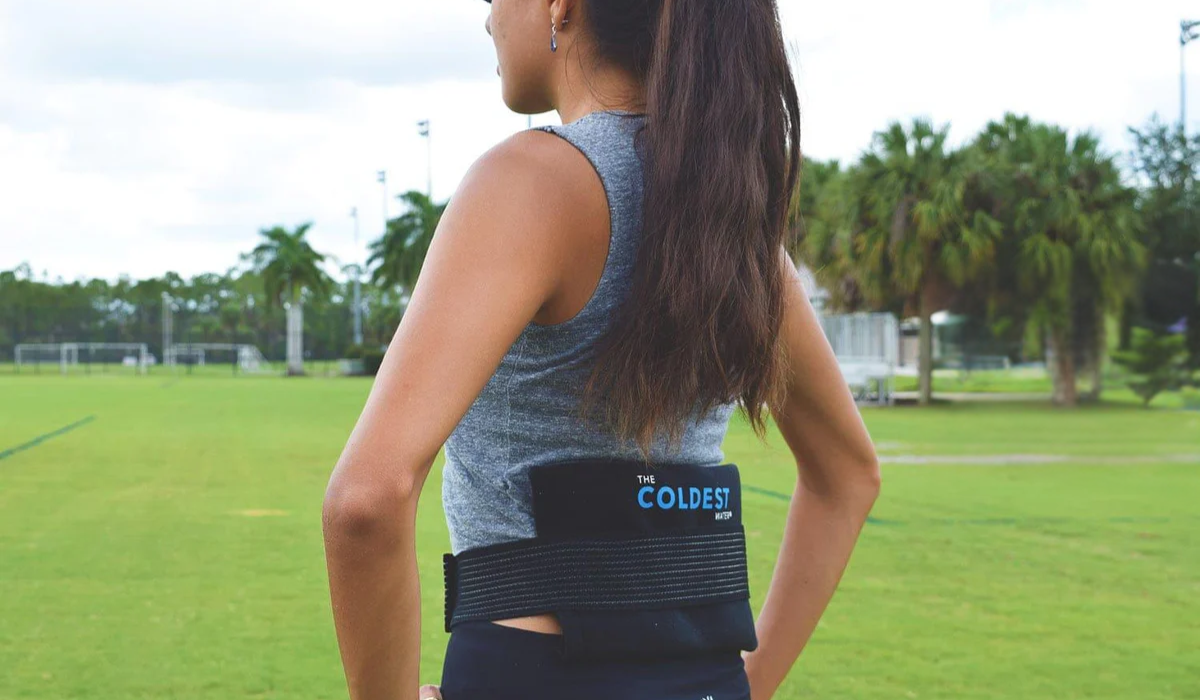
Cryotherapy chambers, ice baths and local cold therapy are indispensable on professional tours. Exposure to cold reduces inflammation, limits micro-tears in overworked muscles and accelerates the healing process.
You don’t need a cryo chamber; a simple cold shower or 10 to 15 minutes on frozen spots can make a noticeable difference, especially after rounds that involve hilly running or long practice sessions.
Soft tissue work: relax like a pro
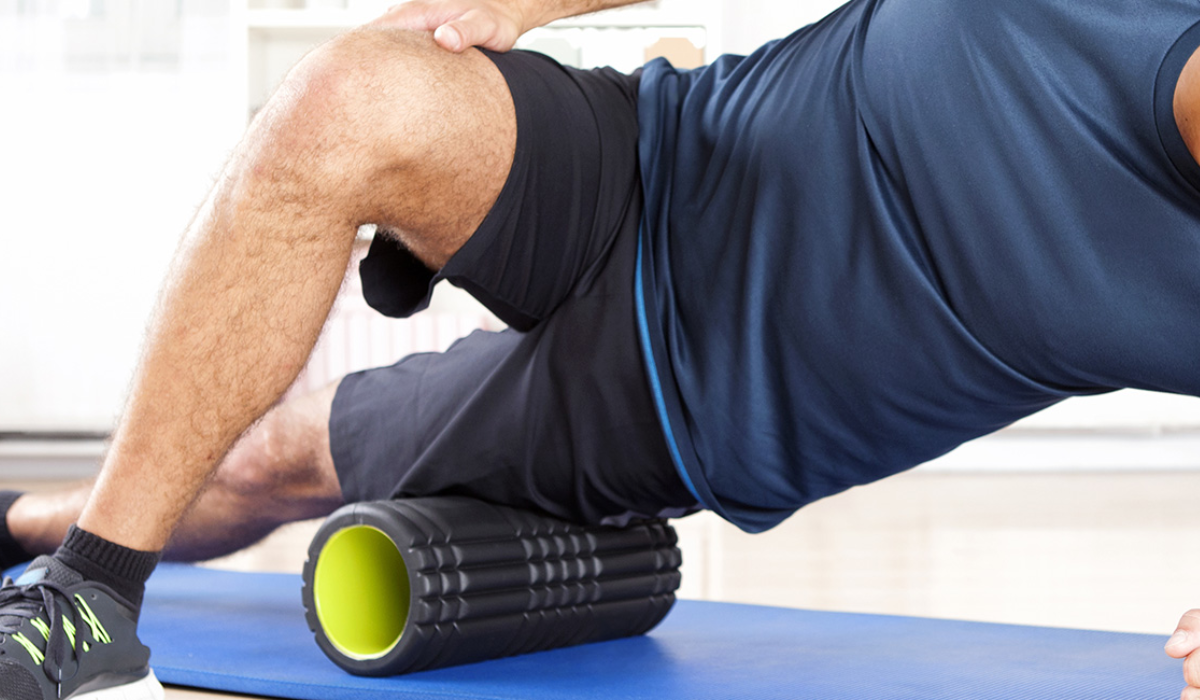
Foam rollers, massage guns and lacrosse balls are among the simplest tools to mimic the benefits of a sports massage. PGA Tour trainers recommend spending time on:
- Quads and IT tiresthat become tighter as you walk
- Glutesimportant for rotational stability
- Mid back muscleswhich absorb most of the torsional load
- Forearmsoften overworked after distance sessions and full rounds
Just 5-7 minutes of soft tissue release can significantly improve mobility and reduce pain the next day.
Don’t skip sleep: the secret weapon of top golfers

Sleep is one of the biggest performance differences in golf. Research among elite athletes shows that 7.5 to 9 hours of continuous sleep improves motor learning, recovery and reaction time – all crucial in golf.
Several professionals, including Rory McIlroy and Collin Morikawa, have publicly emphasized sleep hygiene as part of their exercise routine. Better sleep = better focus and energy = better rounds.
Hydrotherapy and contrast showers

Some golfers alternate exposure to hot and cold water to stimulate blood flow and reduce inflammation. Hot water helps loosen tight muscles, while cold water reduces swelling and irritation. This method is especially useful for players who deal with tension in the lower back.
Mental reset: the often overlooked step
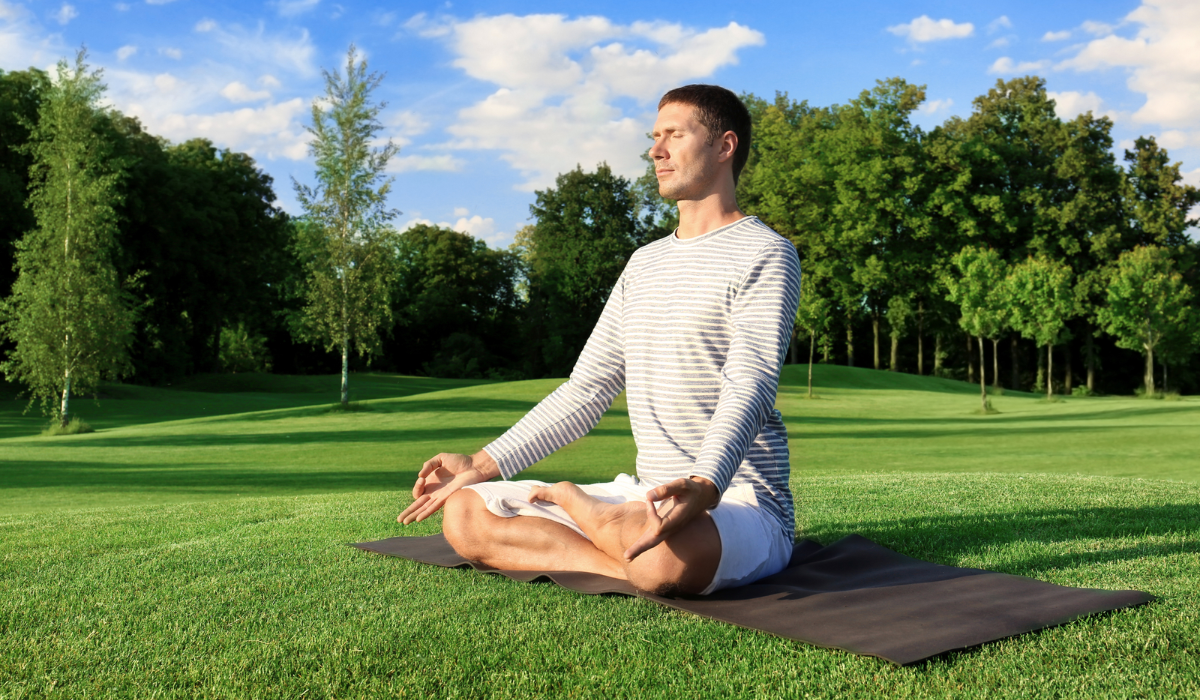
Golf is mentally exhausting; strategic decisions, pressure bursts and long rounds all take a cognitive toll. Pros use meditation, controlled breathing or journaling to decompress after a round. Even 3-5 minutes of deep breathing activates the parasympathetic nervous system, promoting relaxation and mental clarity.
This mental recovery is crucial: a relaxed mind improves both decision-making and muscle tension.
Gentle mobility the next morning
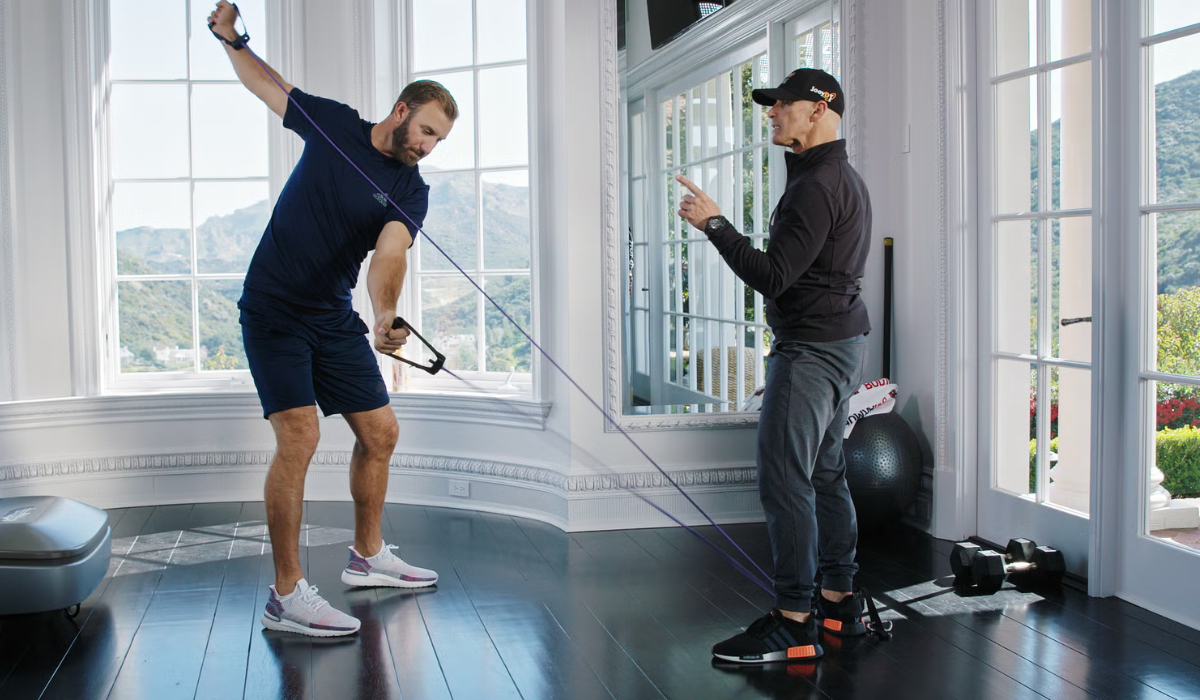
What you do the next day is just as important as the steps after the round. Tour pros often start their day with a mobility routine: hip circles, cat-cow stretches, light resistance band work, and shoulder mobility exercises. This keeps the body flexible and ready for the next training or round.
Final Thoughts: Recovery is part of the game
Recovering as a professional golfer is not reserved for the elite. Small, consistent habits – hydration, proper fueling, targeted stretching, soft tissue work and good sleep – can dramatically improve how you feel after playing. Better recovery leads to sharper swings, more energy and fewer injuries, allowing you to enjoy the game with the same confidence and longevity as the pros.
Let your recovery routine become your secret competitive advantage. The better you take care of your body after each round, the better it will take care of your game.
Balance between sport and spa: the new golf wellness trend
The benefits of the combination of yoga and golf
#Recover #Pro #PostRound #Wellness #Tips #Square #Blog