

Writer: Helena Bergström
Polish food – what is it anyway? We list 25 Polish dishes, delicacies and pastries and at the same time talk about our experiences with Polish cuisine. Everything from zurek and pierogi to smoked cheese and gingerbread from Torun. “Join us” on a tasting trip to Poland!
What do you eat in Poland?
What do you eat in Poland? We have been to Poland many times and have traveled around several times with our camper. During these trips we have had the time to taste a whole range of Polish dishes and specialties. Here we tell you about 25 specialties that you can try when traveling through Poland.
Polish cuisine
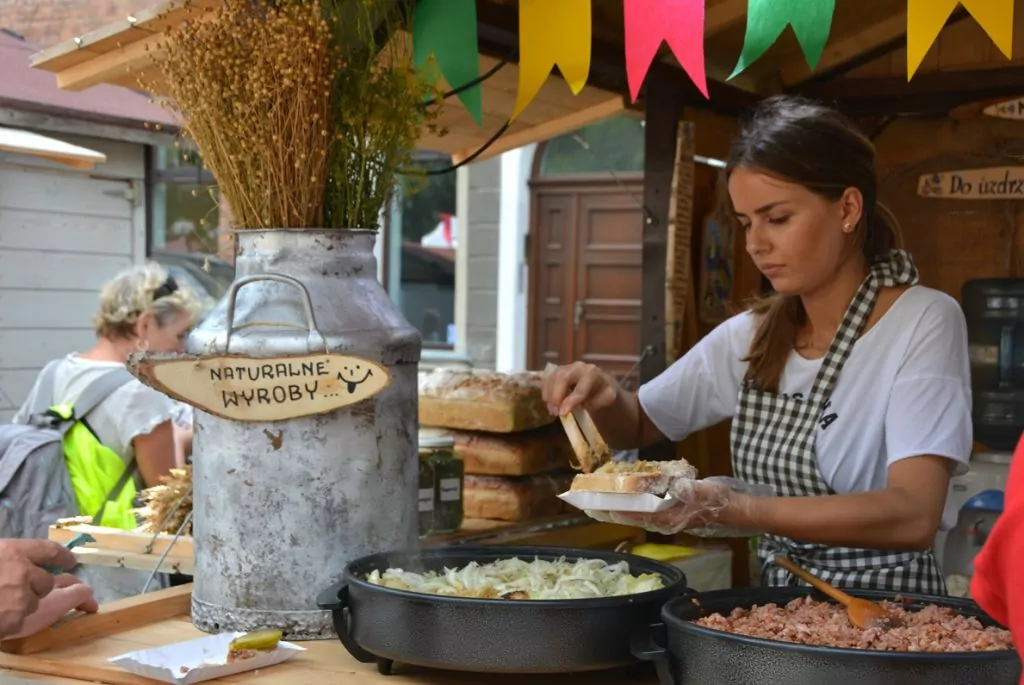
Traditional Polish food is “savory” and often includes ingredients such as meat, sausages, potatoes, cabbage and pickled vegetables. The food rations mainly show similarities with other Central European countries, but also some similarities with countries to the east. Today, the Polish restaurant scene is of course very modern, while many places draw on traditional heritage.
1. Sour rye soup
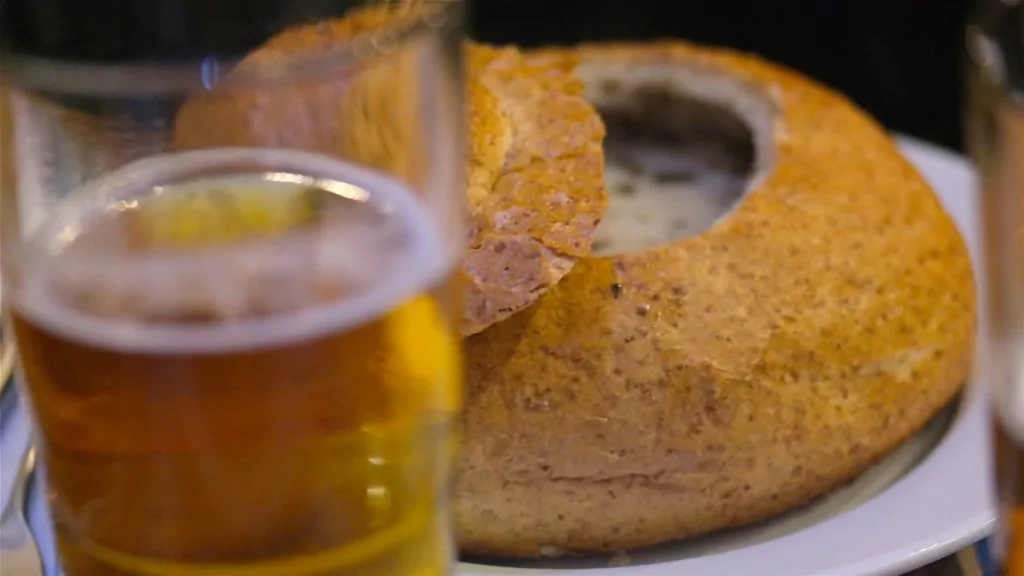
Żurek is a sour soup based on fermented rye flour, often served with pieces of sausage and half an egg. This soup is terribly popular and you will find it in many restaurants – in some cases served in a loaf of bread. This is one of our favorites. Good, rustic and filling!
2. Polish soups
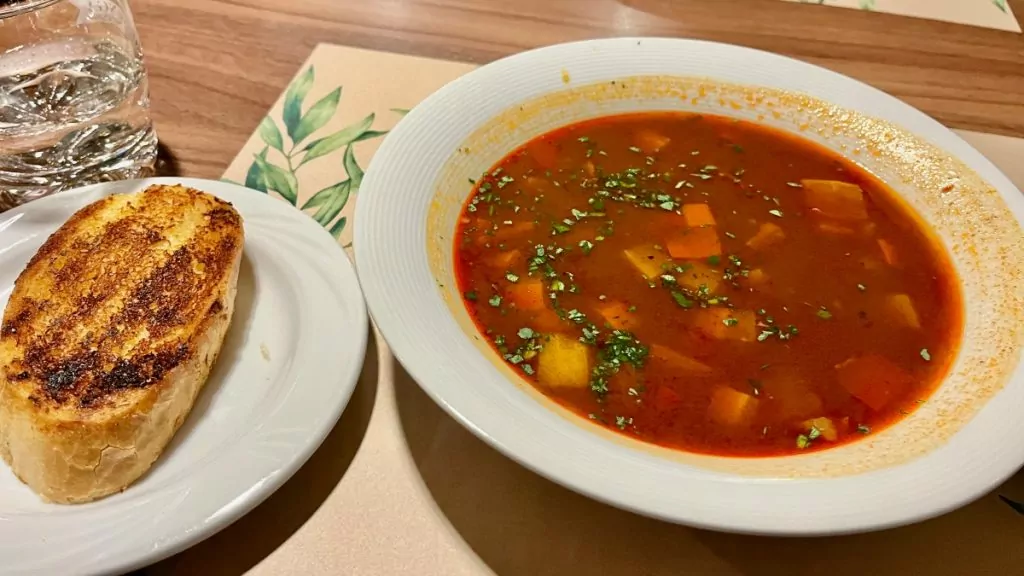
Besides sour soup, perhaps the most popular soup in Poland, there are many other soups to try. Soups are simply central to Polish cuisine. Some examples of soups are: borscht (beetroot soup), chicken stock (clear chicken soup with noodles) and intestines (triple soup).

3. Sill
Herring is an obvious part of Polish cuisine and comes in countless varieties. It is often served pickled, for example together with onion, apple or mustard. Please note that Polish herring is generally less sweet compared to the Swedish equivalent.

4. Pickled vegetables
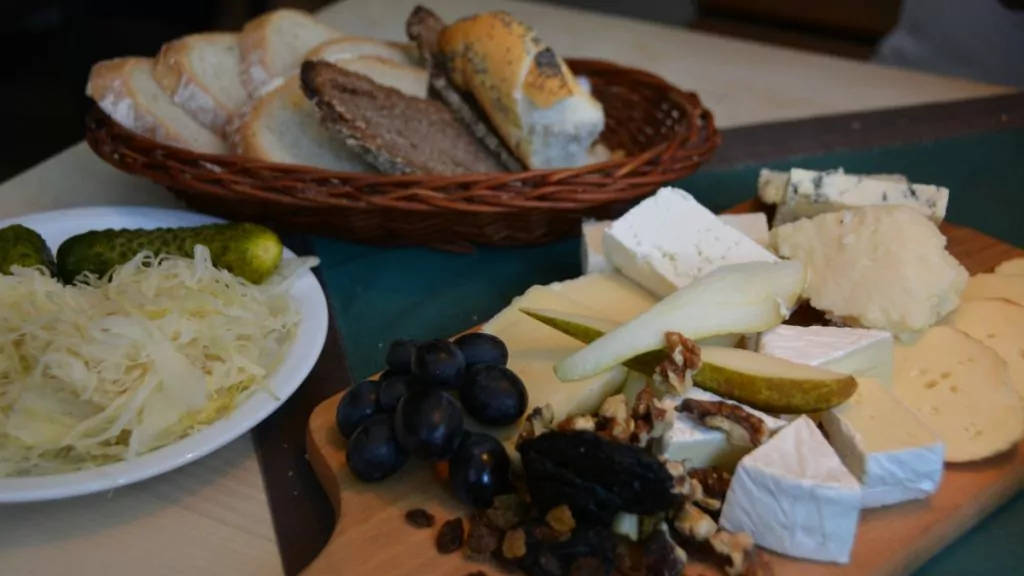
Preserving food is an ancient preservation method that is still alive and well in Poland. Sauerkraut and gherkins are the most common, but beets and mushrooms are also present. Pickled vegetables are widely used both as a starter and as a side dish with meat and fish.
Advertisement

5. Sausage
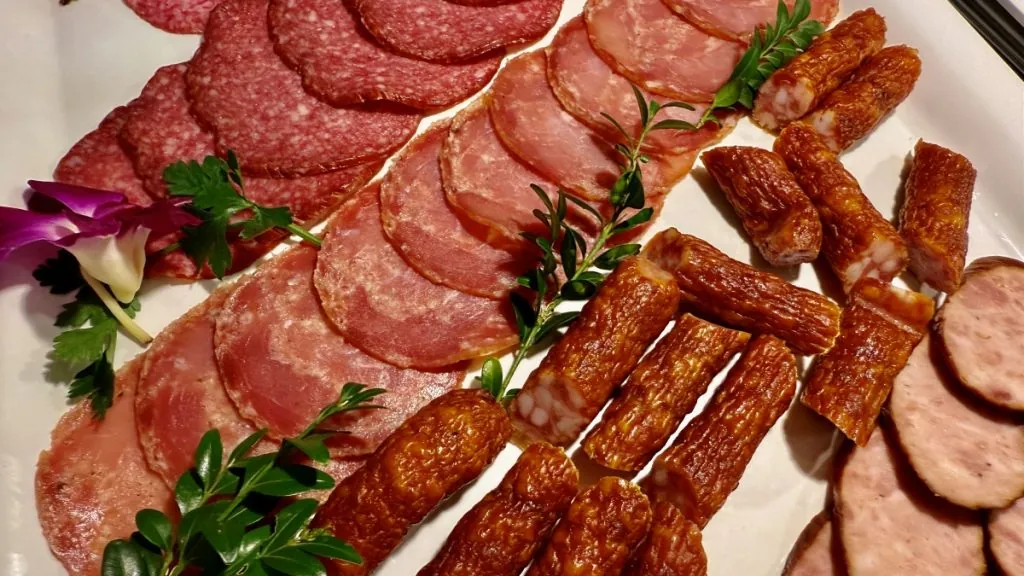
Kiełbasa is not in type of sausage, but simply means “sausage” and can come in hundreds of different varieties. The sausage can be served boiled, smoked or dried – and you’ll find different varieties in different parts of the country. Sausage is very popular and is eaten both every day and on holidays.
6. Pate (Polish pate)
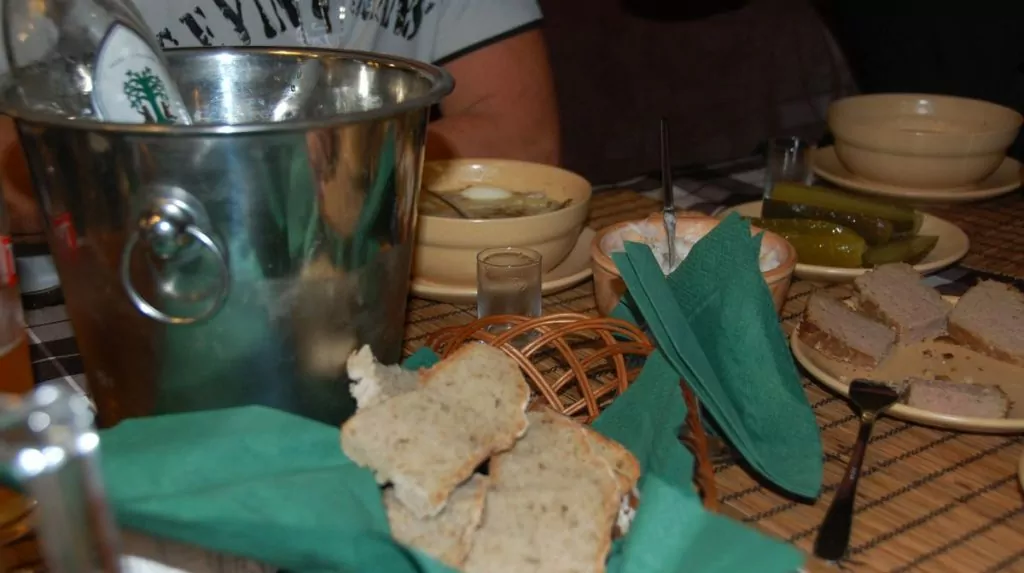
Pasztet is an oven-baked pâté made from meat, liver and herbs. The pate can be served both as a topping on sandwiches and as an appetizer in a restaurant. We have sometimes eaten it together with bread and pickled cucumber – very tasty!
7. Smalek (want)
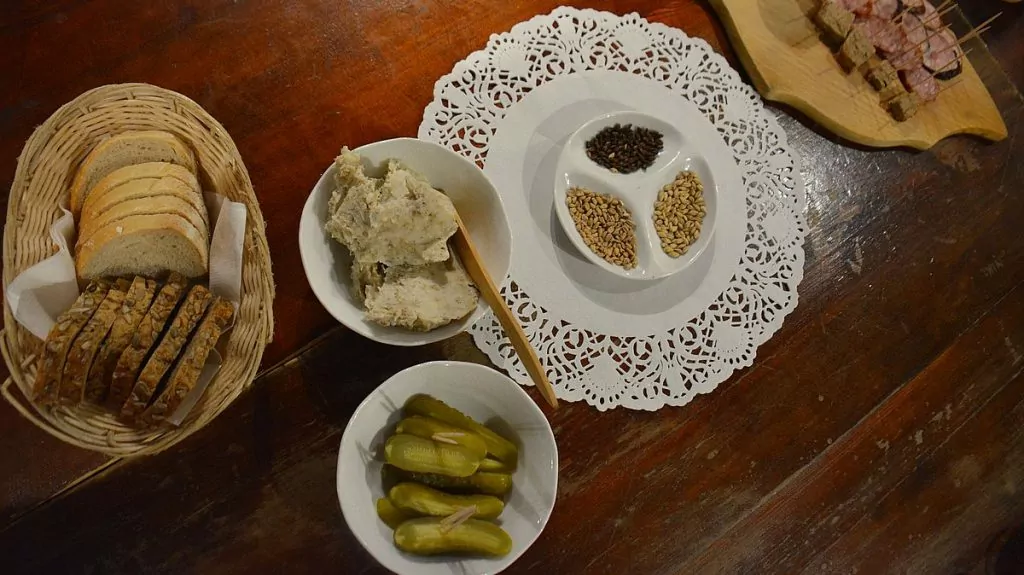
Smalec is seasoned lard served on bread, sometimes with onion and apple. Although this food has simple origins, today it has enjoyed a renaissance in modern restaurants, symbolizing rustic and down-to-earth Polish cuisine. We have also seen several variants in the markets.
8. Oscypek (smoked cheese)
Oscypek is a smoked sheep’s cheese from the Tatra Mountains in southern Poland. The cheese is made in a traditional way by shepherds and has a protected designation of origin. It is often served grilled with cranberry jam.

9. Pierogi
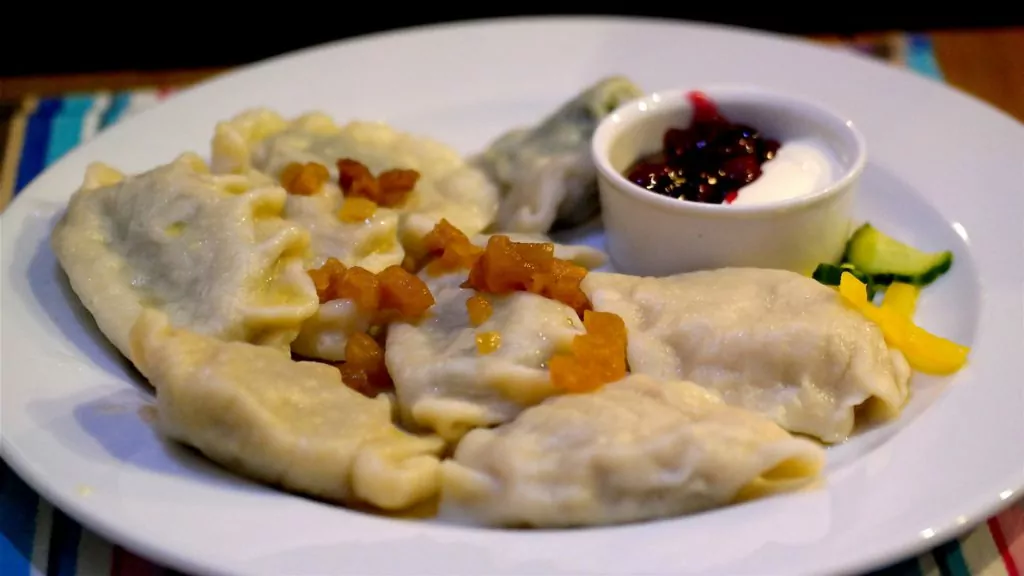
One thing you don’t want to miss is… pierogi. These small steamed dough balls are perhaps Poland’s most famous dish and you will find them in all restaurants that serve Polish dishes. The knots can be filled with meat, potatoes, cheese or mushrooms, for example. A dish that is eaten every day and at a party!
10. Krokiety (breaded stuffed crepes)
Krokiety are breaded crepes filled with mushrooms, sauerkraut or meat. These popular delicacies can be served as is or as a side dish with beetroot soup.

11. Bigos
Bigos is a long-cooked stew with sauerkraut, fresh cabbage and various types of sausage and meat. The dish is often considered tastier the next day – a classic with roots in Polish rural cuisine.

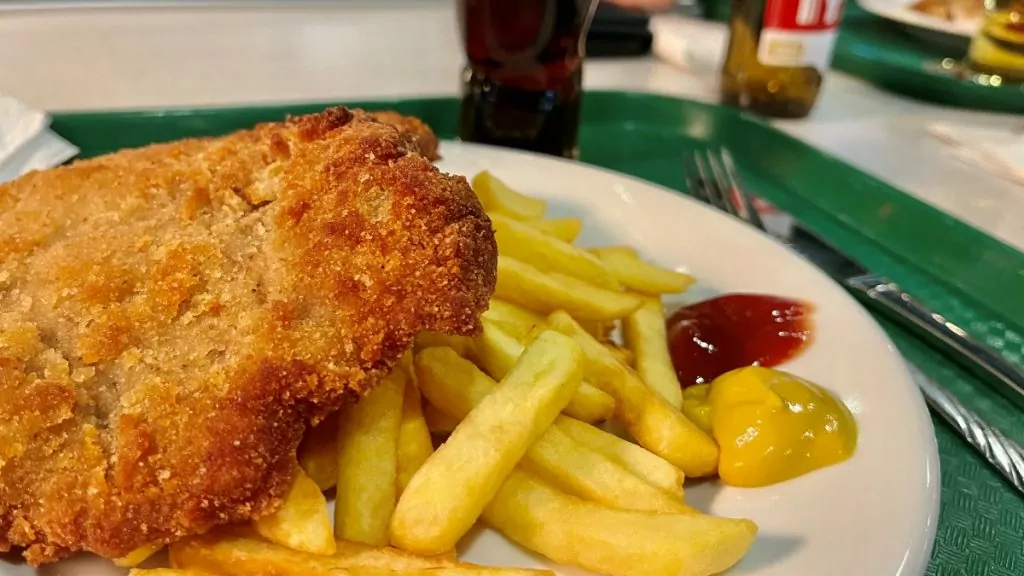
12. Pork chop
Kotlet schabowy is a breaded pork cutlet, which is often compared to schnitzel. The dish is traditionally served with potatoes and sauerkraut. A simple, filling and popular dish!
13. Pork knuckle
Golonka is an oven-roasted or boiled pork leg, often served with mustard and sauerkraut. The meat is tender and fatty and you can count on a generous portion. We ate golonka at a ‘home away from home’ party and we saw the dish both in traditional restaurants and at shipping company buffets.

14. Duck or goose with red cabbage
When we travel through Central Europe, we often try to order duck or goose – a common dish in Poland, the Czech Republic, Slovakia and several countries. The meat, which is usually very tender and tasty, is often served with red cabbage and apples. A real favorite for us!

15. Cabbage rolls (kåldolmar)
Gołąbki are Polish cabbage dolmas filled with meat and rice. The dolmas are served with tomato sauce or mushroom sauce. An obvious household classic in Poland!

16. Potato pancakes (potatisplättar)
Placki Ziemniaczane is a kind of crispy potato flakes. The plates can be served with various accessories, or simply with a little sour cream.

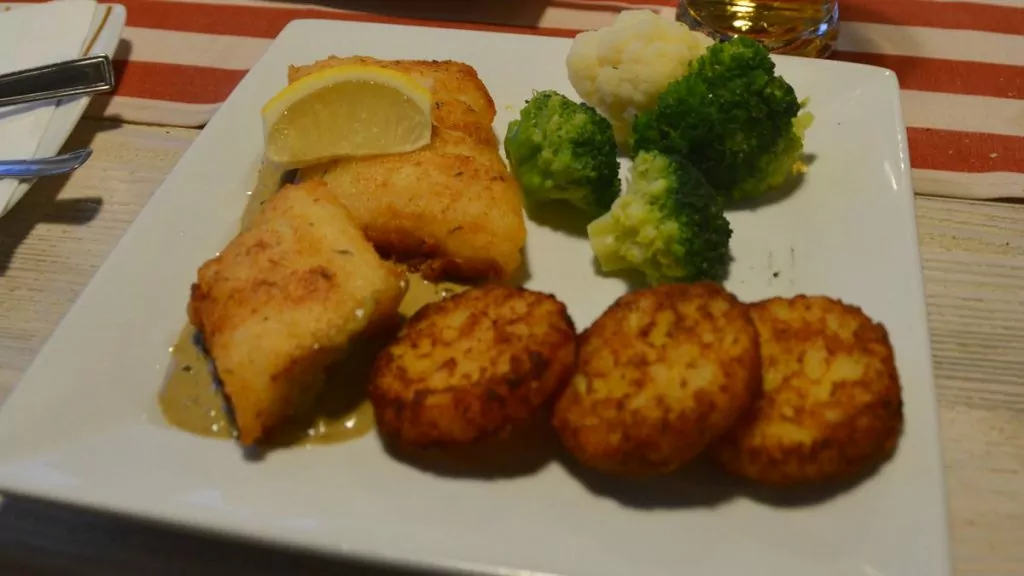
17. Breaded fish (panerad fisk)
Breaded fish is a common dish on the coast of Poland. Cod or halibut is often used. The fish can be served with some kind of potato and cabbage or other vegetables.
18. Smoked mackerel
Smoked mackerel is sold along the Baltic coast, often directly from small smokehouses. It is served whole and eaten hot or cold. With the taste of sea and smoke!

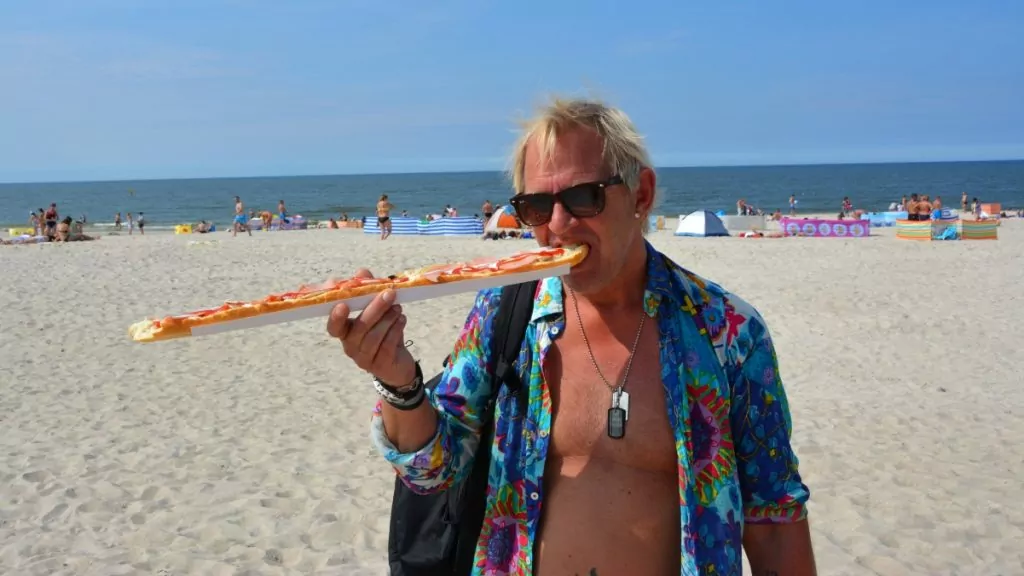
19. Casserole
Zapiekanka is perhaps Poland’s most classic street food. This is simply a halved baguette with mushrooms, possibly ham, cheese and ketchup. Simple and popular Polish food!
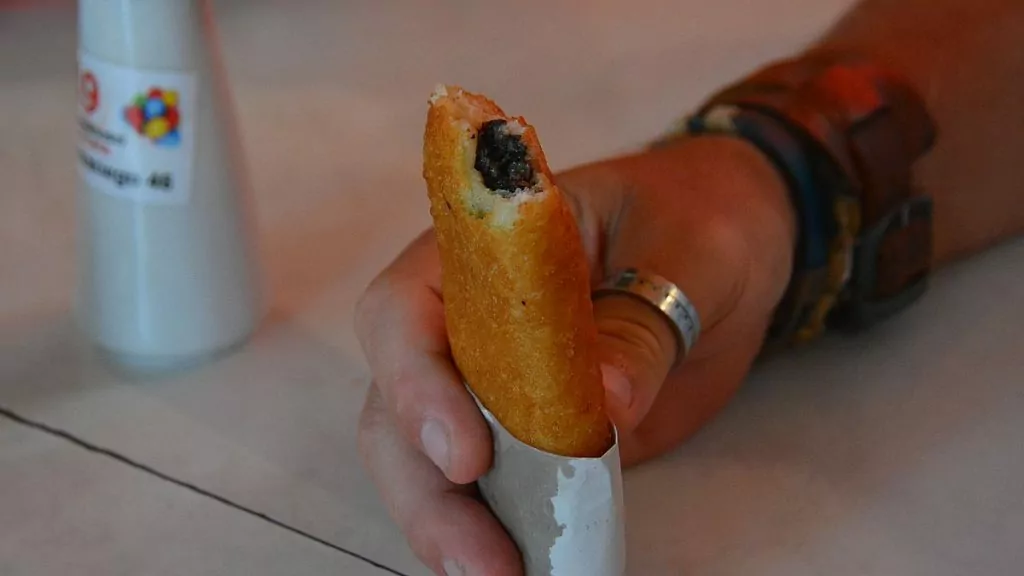
20. Patties
Pasztecik are small fried and filled dough balls. The buttons can be filled with mushrooms, meat or cheese. This little delicacy is especially popular in northwestern Poland and we tasted it while visiting Szczecin.
21. Sernik (cheesecake)
Sernik is a Polish cheesecake, made from twaróg cream cheese. The dough is denser and less sweet than many other cheesecakes. You can find it in cafes or as dessert in restaurants.

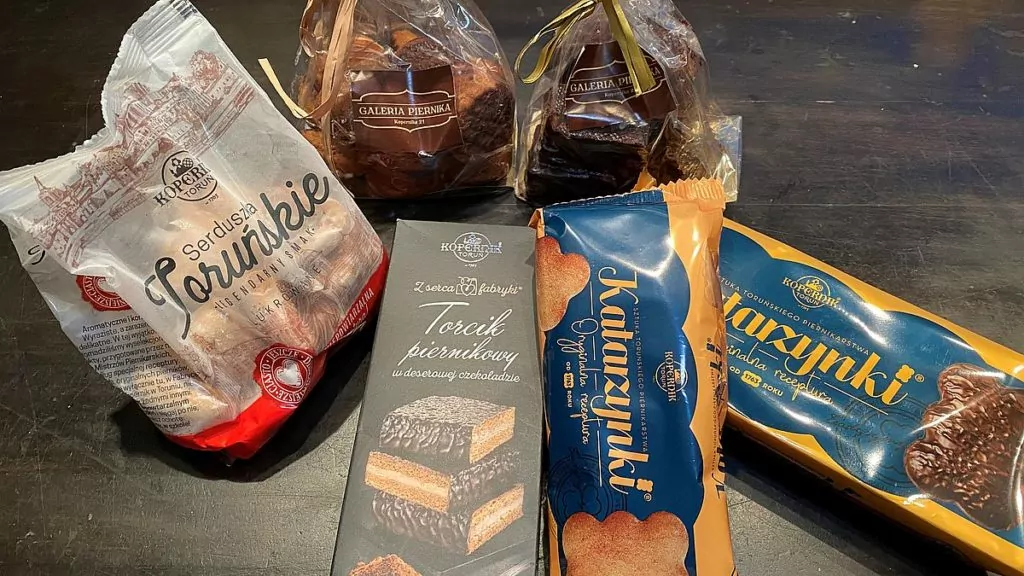
22. Pierniki – gingerbread cookies from Toruń
The beautiful Polish city of Toruń is known for its… gingerbread cookies – spicy gingerbread cookies with a long history. In fact, the cakes were baked as early as the 14th century. Today, the cookies are important to the city’s identity and there is both a gingerbread museum and a gingerbread shop.
23. Parcels (munkar)
Pączki are Polish donuts filled with jam or cream. These pastries are mainly associated with Fat Day, when they are eaten in excess.

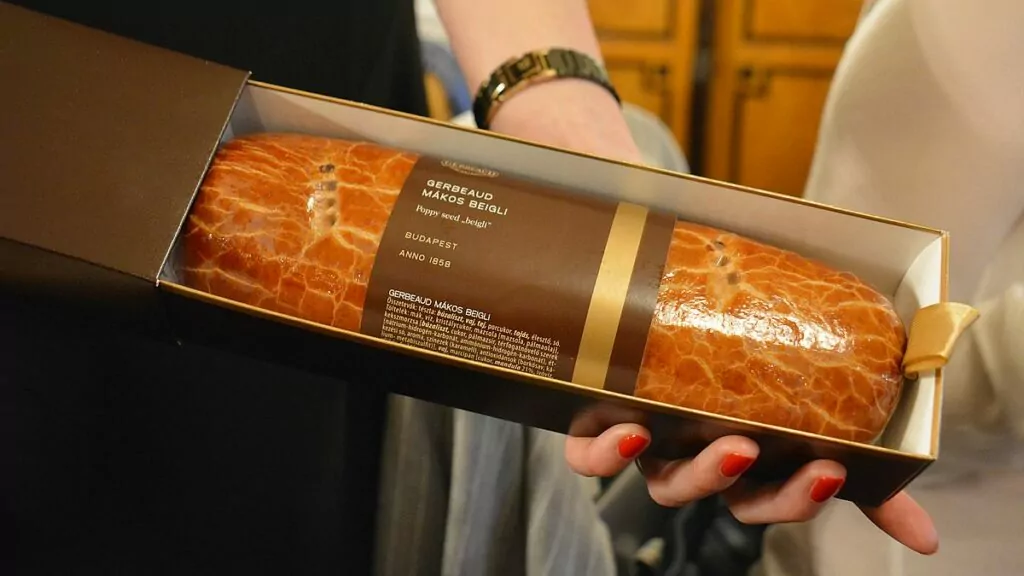
24. Makowiec
Makowiec is a type of roll cake filled with sweet poppy seed pulp – a pastry popular during holidays. We didn’t try the cake in Poland, but we tasted a similar pastry in Hungary where it is called “bejgli”.
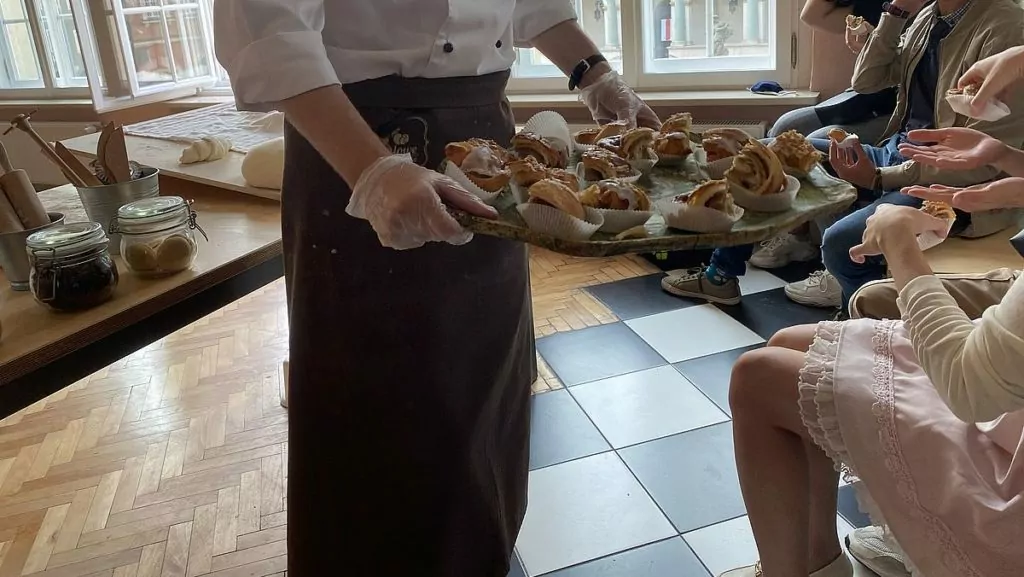
25. St. Martin’s Croissants from Poznan
St. Martin’s croissants are made in Poznan and are mainly eaten on St. Martin’s Day, November 11. The croissants, filled with poppy seeds, among other things, are super delicious. Anyone who wants can also learn to bake them at the Poznan Croissant Museum.
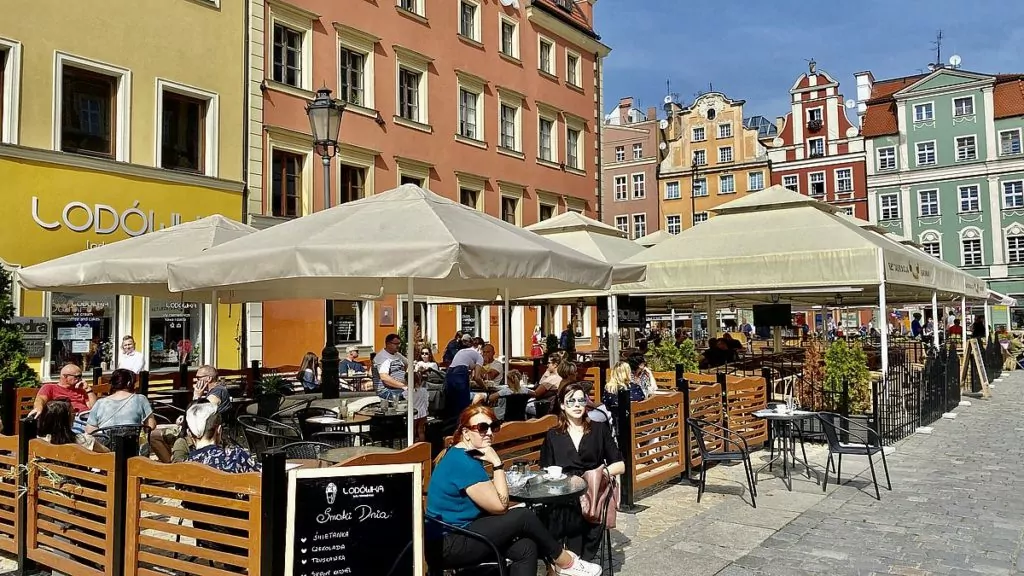
Polish food in a restaurant
In Poland it is common to find Polish food in restaurants, while there is of course also a wide choice of both international dishes and fine dining. Here you will find tips about restaurants and dining experiences in Poland:
Combining Polish food with drinks
So, how do you combine Polish food with drinks? Both beer and wine are popular in Poland, as is vodka.
Beer in Poland
Beer is the most popular alcoholic drink in Poland and there is a long brewing tradition. Light lagers dominate, but in recent years it has also become popular with various specialty beers, in the form of IPAs, porters and regional specialty beers. Beer is consumed both with food and socially, in bars, lunch restaurants and outdoor dining.


Wine in Poland
Wine is not an obvious part of traditional Polish cuisine, but interest is growing rapidly. Domestic wine production is growing, especially in southern and western Poland, with an emphasis on grapes suitable for cooler climates. Imported wines are still the most common in restaurants, often from Italy, France and Hungary.
Vodka and other drinks
Vodka has long played a strong cultural role in Poland and is considered national heritage. Vodka is traditionally drunk neat and ice-cold, often with food, possibly with herring or pickled accessories. In addition to vodka, herbal liqueurs, fruit brandies and various non-alcoholic drinks are common.
Polish food – what are your experiences with Polish cuisine?
What are your experiences with the food in Poland? Please tell me!

#Polish #food #Polish #dishes #delicacies