

Pauling is an asset allocation portfolio that is slowly emerging from a performance gap. Over the past few months I’ve been reworking the asset allocation mix and that work isn’t quite done yet, as readers will see in one of the following screenshots. Several asset classes are out of balance or not close to the recommended target rate.
Pauling Asset Allocation Holdings
Below you will find the current list of Exchange Traded Funds (ETFs) that comprise the Pauling. As readers can see, I’m moving away from mega-cap stocks or stocks that make up 40% of the S&P 500. I have set up a limit order to sell VOO even though Pauling currently only holds two shares.
Instead of large-cap stocks, de Pauling focuses on dividend-paying ETFs and mid- and small-cap stocks.
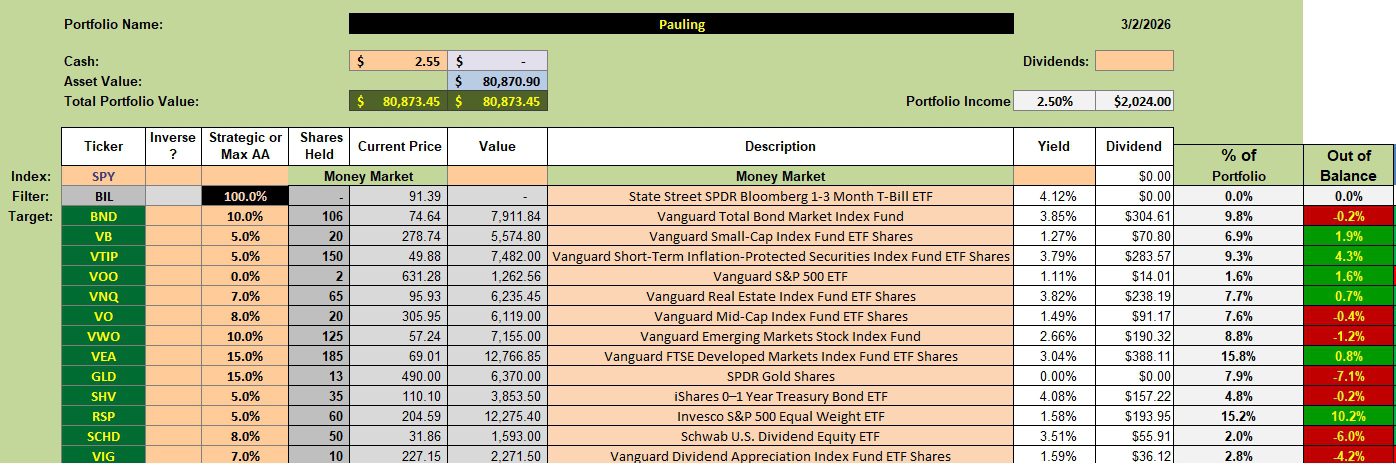
Pauling’s rebalancing recommendations
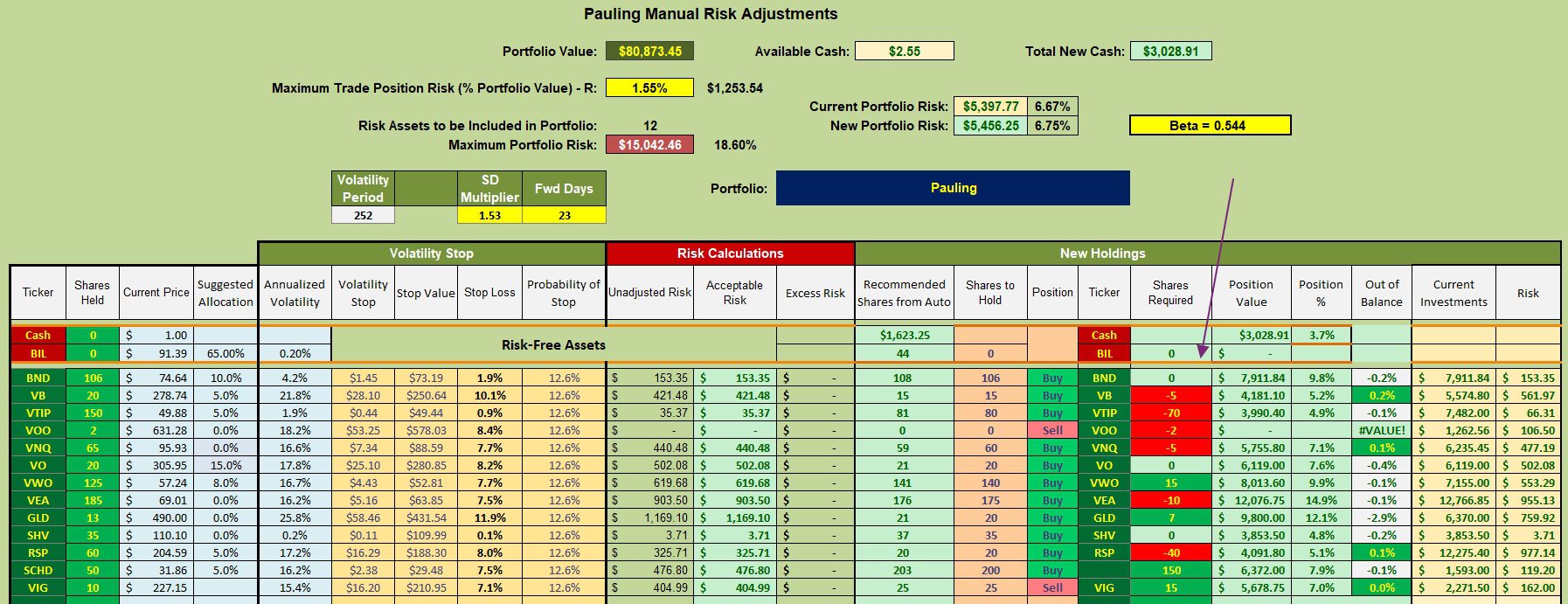
The purple arrow points to upcoming stock changes. Trailing Stop Loss Orders are in effect for the ETFs with a red background. For example, a TSLO is set up to sell 5 shares of VB.
When I sell the shares, I will buy VWO, GLD, SCHD and VIG shares. These four ETFs deserve special attention.
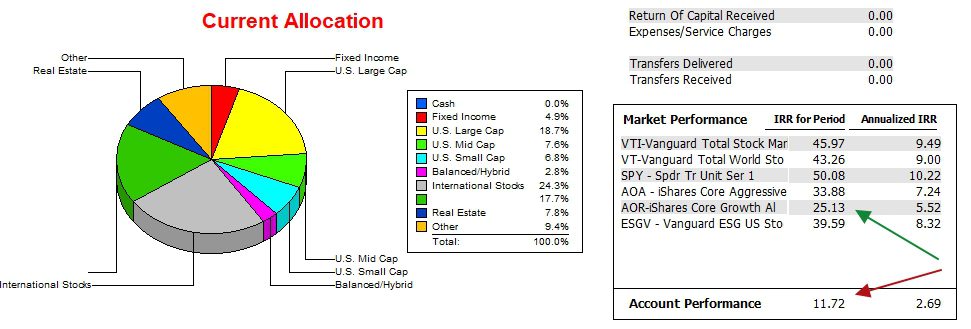
Pauling performance data
Since December 31, 2021, the Pauling has been far behind the AOR benchmark. During most of this period, the portfolio did not operate according to its current asset allocation mix. Therefore, keep an eye on the direction or development of the four risk ratios in the coming months.
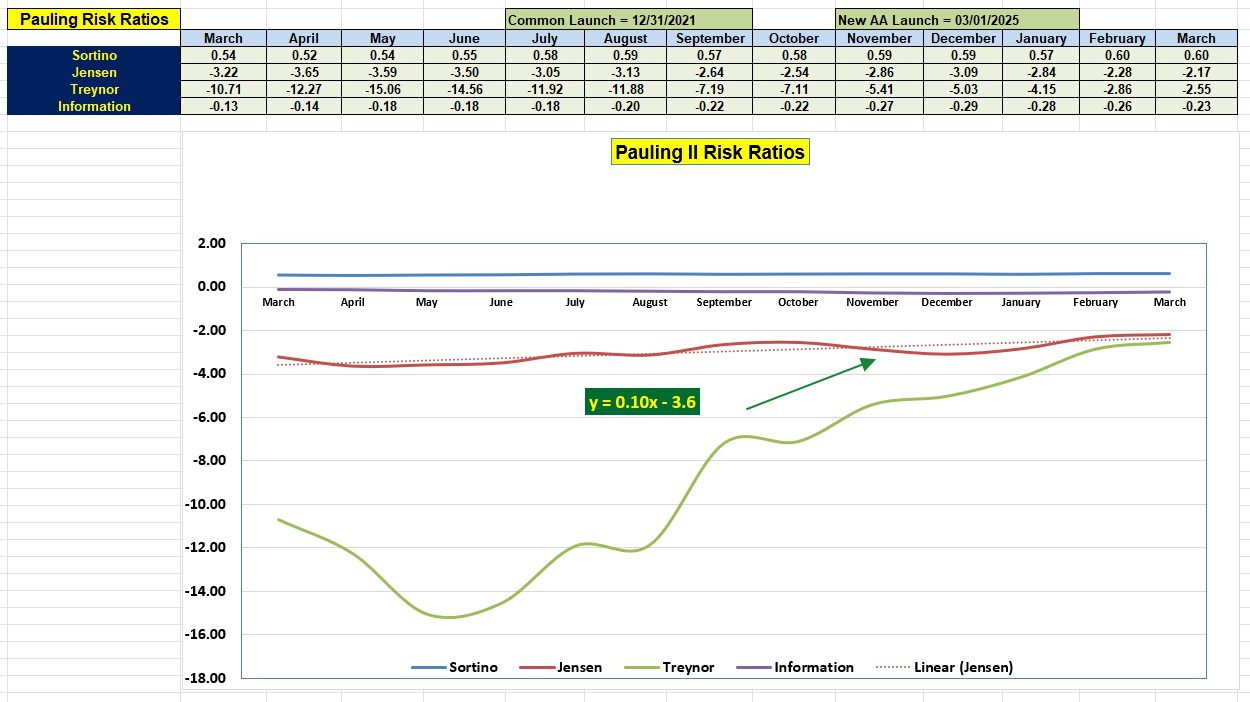
Pauling risk ratios
Three out of four risk ratios are higher than a year ago. The information ratio, a critical measure, is below its March 2025 value, but above where it stood in November.
The Jensen Alpha shows gradual improvement over the year and this is extremely important.
Beta: A brief description
(visited 7 times, 7 visits today)
Discover more from ITA Wealth Management
Subscribe to receive the latest posts by email.
#Pauling #Portfolio #overview #March #ITA #Asset #Management