

From November 21 to April 12, drawings, prints and manuscripts, for a total of about 190 works, little known and in many cases unpublished, reveal for the first time the original appearance of green spaces now disappeared or radically renovated, proposing new interpretations.
The framework of this route in six sections, enriched with multimedia and immersive devices, is the exhibition Villas and Gardens of Rome: a crown of delights a journey through the gardens of the eternal city in the pictorial imagination from the sixteenth century to the second half of the twentieth century. Promoted by Roma Capitale, Ministry of Culture, Capitoline Superintendence of Cultural Heritage, curated by Alberta Campitelli, Alessandro Cremona, Federica Pirani and Sandro Santolini with the support of an international scientific committee composed of Vincenzo Cazzato, Barbara Jatta, Sabine Frommel, Denis Ribouillault and Claudio Strinati, the exhibition illustrates to the public the evolution of villas and gardens over the centuries. From an expression of power, culture and refinement for popes, princes and cardinals, they quickly became places with a public function, intended for nineteenth-century walks. There is no shortage of twentieth-century gardens created after the difficult transformations brought about by Rome’s new role as capital of the kingdom, which entailed the destruction of many important complexes from 1870 to the twentieth century. Along the route, the sixteenth-century villas, with the ancient places of otium, the gardens of delight, the vineyards and the vegetable gardens, thanks to masters such as Bramante, Peruzzi, Raphael, Sangallo the Younger, Giulio Romano, Ligorio, Vignola, Ammannati, Fontana and Del Duca, collect the suggestions of antiquity and define a model of a Roman garden, destined to be celebrated and imitated.
Villas and Gardens of Rome | Photo: © WPS
Villa Madama, Villa Giulia, the Vatican Belvedere, La Farnesina and Villa Medici are documented in the exhibition by works by famous artists such as Hendrick van Cleve, Caspar van Wittel, Paolo Anesi. These creations leave room for the seventeenth-century villas and their lush gardens embellished with spectacular fountains, the result of the creativity of the best artists and architects of the time such as Flaminio Ponzio, Carlo Maderno, Giovanni Vasanzio, Alessandro Algardi, Pietro da Cortona. An example of this is Villa Borghese, immortalized by the painting by Joseph Heintz the Younger.
The section dedicated to eighteenth-century villas, with their Baroque splendor, includes the gardens of Palazzo Colonna and the gardens designed by Ferdinando Fuga for the Palazzo Riario, up to the gardens for the urban planning of Rome, the capital. Although the century of revolutions does not spare the homes of pleasure, a new model will emerge: the public green promenade, no longer intended for the nobility but for a broader and more ‘democratic’ user. If the consequences of the French occupation at the beginning of the century and the battle for the defense of the Roman Republic in 1849 destroyed villas and gardens, especially on the Janiculum, Villa Torlonia in via Nomentana, built on behalf of the powerful banking family, will be the last example of Roman patronage. The route continues until the Roman Garden in the twentieth century, between propaganda, destruction and new models, when the axis of modernization will produce and sacrifice many villas, while the purchase and opening to the public of Villa Borghese in 1903, connected in 1908 to the Passeggiata del Pincio, will mark an undisputed contribution to the greenery of the city.
The fascist regime’s green policies are advancing on a double register linked to Mussolini’s new urban planning needs. For example, the garden of Villa Rivaldi was mercilessly destroyed to allow the opening of the via dell’Impero (now via dei Fori Imperiali).
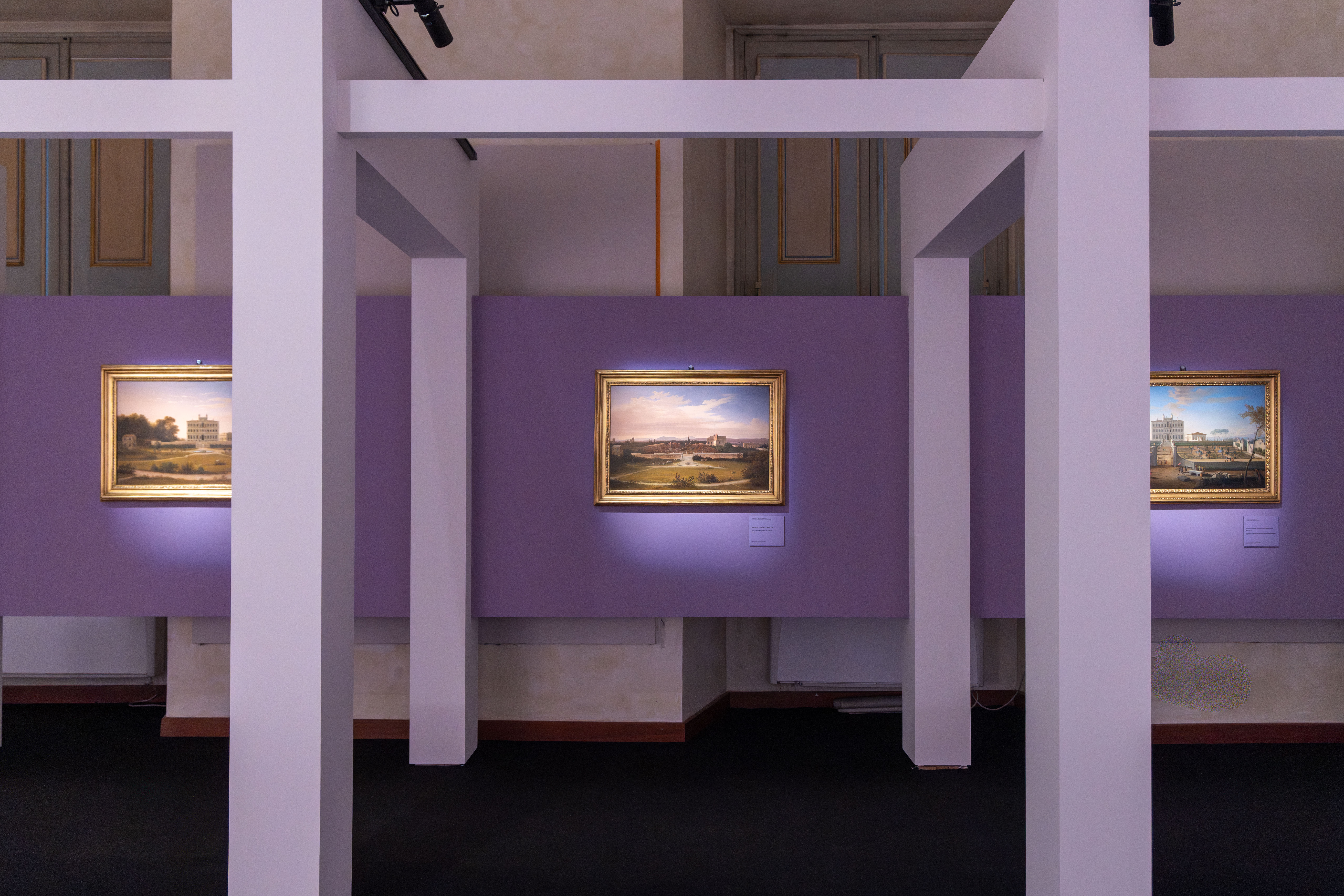
Villas and Gardens of Rome | Photo: © WPS
#Palazzo #Braschi #rediscovers #villas #gardens #Rome #Rome #Arte.it