

This article may contain references to products or services from one or more of our advertisers or partners. We may receive compensation when you click on links to those products or services. Nevertheless, our opinions are our own.
The information in this article is accurate to the best of our knowledge at the time of publication. However, information is subject to change and no guarantees are made as to the continued accuracy or completeness of this content after the date of publication.

Introduction
Middle-class life used to mean financial security. These days it feels more like walking a tightrope as rising housing costs, job insecurity and unexpected expenses threaten to throw families off balance.
In 2025, more and more Americans are discovering how financially vulnerable they have become. A single crisis, job loss, illness or surprise bill could mean missing a mortgage payment and facing the unthinkable: foreclosure.
Let’s look at how this happens and what families and policymakers can do to stop the fall.
How financial vulnerability puts middle-class families at risk
Budgeting only goes so far
Most middle-class families budget carefully. But in today’s economy, even minor disruptions can throw a household off course.
Fixed costs vs variable costs: Mortgages, rents and utilities remain constant, but car repairs, medical bills and inflation increases can explode without warning.
Living paycheck to paycheck: According to a 2025 LendingClub survey, 62% of Americans earning between $75,000 and $100,000 report living paycheck to paycheck, compared to 50% just three years ago.
If there is no financial buffer, a single emergency can destroy the budget and the mortgage is often the first victim.
The housing crisis and homeownership stress of 2025
House prices exceed wages
House prices have risen enormously over the past ten years. According to the National Association of Realtors, average home prices have risen nearly 40% since 2020, while wage growth has struggled to keep pace.
“Even dual-income households struggle to qualify for an average home in urban and suburban areas,” notes housing economist Daniel Ngoma.
This imbalance forces families to stretch their budgets during the purchasing process, only to realize they are financially overburdened once mortgage payments begin.
Unexpected events leading to foreclosure
Medical emergencies and health costs
Even with insurance, a serious illness or injury can result in thousands of out-of-pocket costs. Copays, deductibles, and uncovered treatments can wipe out savings within weeks.
According to the Kaiser Family Foundation, more than 41% of Americans have medical debt, even those with employer-provided insurance.
The result? Some families are choosing between medical treatment and paying their next mortgage.
Job loss or income disruption
The labor market may seem strong on paper, but many families face real instability:
- Contract positions without benefits
- Part-time gigs with varying hours
- Industries with frequent layoffs (technology, retail, logistics)
When a paycheck suddenly disappears, mortgage payments can be missed within one to two months, often before unemployment benefits kick in.
The emotional impact of foreclosure stress
Stress, relationships and mental health
When money is tight:
- Marriage stress is increasing
- The parent-child dynamic suffers
- Anxiety, depression and even panic attacks can become everyday problems
“You don’t sleep anymore. Every time the phone rings you wonder if it’s the bank,” said Angela Torres, a former homeowner who faced bankruptcy in 2024.
This stress can tear families apart and the effects can last long after the mortgage is due.
Ways to build financial resilience
Step 1: Build an emergency fund
Experts recommend saving three to six months of essential expenses, but for many families that feels out of reach.
Start small:
- Automate transfers to a separate savings account
- Use windfalls (tax refunds, bonuses) to build your buffer
- Even $25 to $50 a month helps create a safety net
Step 2: Get help early
If you are behind on your mortgage, don’t wait. Call your lender immediately or contact a HUD-approved housing counselor.
Available options may include:
- Mortgage forbearance
- Loan change
- Nonprofit Foreclosure Prevention Programs
- Local legal aid support
Policy solutions to prevent foreclosure
Affordable housing advocate
Expand help for starters on the housing market
- Increase the supply of affordable housing through zoning reforms
- Support rent stabilization in high-cost areas
Strengthen employee protection
Raise minimum wages and link them to inflation
- Improve job security through fair planning laws
- Expand access to affordable health care and paid sick leave
“The foreclosure crisis isn’t just a personal problem; it’s a policy failure,” said Jane Kelly, director of the Center for Housing Stability.
Conclusion
In today’s economy, middle-class families walk a tightrope. All it takes is one setback, a lost job, an emergency bill, or a sudden illness to shake that balance. But the fall is not inevitable. By building emergency savings, seeking help early, and pushing for meaningful policy changes, we can keep families in their homes and maintain the stability that characterizes the middle class. Losing a home doesn’t have to mean losing your future.
Frequently asked questions
What factors make middle-class families vulnerable to foreclosure?
Middle-class households face rising costs of living, employment volatility and debt. When an unexpected event occurs, such as a health crisis or layoff, it can quickly lead to missed mortgage payments and foreclosures. Many families don’t have the savings needed to cover emergencies, leaving little room for error when financial shocks occur.
How do house prices contribute to financial vulnerability?
In many regions, house prices have been higher than income growth for years. Families do their utmost to pay mortgages and often lack a financial buffer when emergencies arise. This creates a vulnerable financial situation in which even minor setbacks can push households to bankruptcy.
Can debt increase the risk of bankruptcy?
Yes. Monthly obligations such as student loans, car loans and credit cards reduce the margin available for emergencies. When incomes fall or expenses rise, more indebted households are more likely to miss mortgage payments and face sell-off risks.
How can families avoid bankruptcy?
Families can start by building an emergency fund, communicating with their mortgage lender early and exploring federal or nonprofit assistance programs. Proactive measures increase the chances of negotiating repayment terms, prevent bankruptcies and protect long-term financial stability.
What help is available for families facing exclusion?
Families can visit HUD.gov for guidance or call 1-800-569-4287 to connect with local nonprofits. They may be eligible for mortgage interest deduction, loan modification or legal assistance. Early intervention increases the chance that the house will be saved and reduces the financial damage in the long term.

Reviewed and edited by Albert Fang.
Spot a typo or would like to suggest an edit/revision to the content? Use the contact form to provide feedback.
At FangWallet, we value editorial integrity and open collaboration in curating quality content for readers to enjoy. Much appreciated for the help.
Did you find our article fun and enlightening? We encourage you to share the article link with family and friends so they can benefit from it too – better yet, share it on social media. Thanks for the support! 🍉
Article title: How Middle Class Families Can Avoid Foreclosure
https://fangwallet.com/2025/10/30/how-middle-class-families-can-prevent-foreclosure/The FangWallet Promise
FangWallet is an editorially independent resource – based on breaking down challenging financial concepts for everyone to understand since 2014. While we are committed to editorial integrity, please note that this post may contain references to products from our partners.
FangWallet’s promise is to always have your best interests in mind and be transparent and honest about the financial picture.
Become an insider
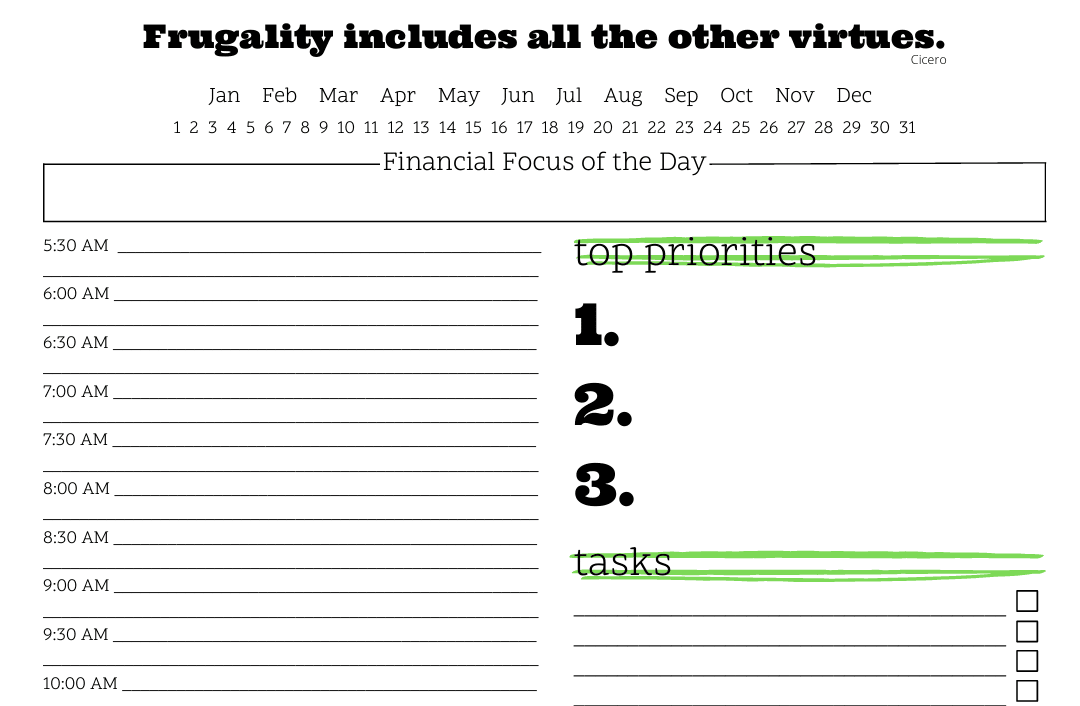
Sign up to receive a free printable daily budget planner so you can get your money on track!
Earn passive money the right way. No spam.
Editorial disclaimer: The editorial content on this page does not come from any of the companies mentioned. The opinions expressed here are solely those of the author.
The content of this website is for informational purposes only and does not represent investment advice, or an offer or solicitation to buy or sell any security, investment or product. Investors are encouraged to conduct their own due diligence and, if necessary, seek professional advice before making any investment decisions. Investing involves a high degree of risk, and financial losses may occur, including the potential loss of principal.
Advertiser Disclosure: This article may contain references to products or services from one or more of our advertisers or partners. We may receive compensation when you click on links to those products or services.
Write for us
Source Citation References:
+ Insp
There are currently no additional citations or references for this article.
#Middle #Class #Families #Avoid #Foreclosure #FangWallet