

This article first appeared on our partners site, Independent Arabia
It was 7 a.m. on Monday, August 25, 2025, when my deceased colleague Maryam Abu Daqqa called me. As soon as I answered, she didn’t miss a beat: “Good morning, EZZ, how are you in your area? Do you need photos for your report? Tell me quickly, because I am planning to visit my father as I miss him.”
I chuckled softly and answered: “You speak so quickly, Maryam. Send me new photos that you have taken. Your photos are always excellent and suitable for every report, regardless of the subject.” She interrupted me, spoke even faster and left no room for a response: “You are talented, my friend. Make sure you are good for yourself, keep treating stories and being the voice of the community.”
Maryam’s words caught my attention. I asked, “What’s going on?” She replied: “Nothing … goodbye. I will send you some photos and I hope you can forgive me.” The call ended, but the story didn’t. That conversation turned out to be a prelude to the tragic events that followed, because they became a victim of an Israeli strike that was aimed at the emergency building in Nasser Medical Complex in Khan Younis in the southern Gaza Strip.
At 11 o’clock I received the first phone call from my colleagues in Khan Younis. They inquired that Nasser Medical was complex. My heart stopped. “Where is Maryam?” I asked immediately. They told me she was injured “and maybe died in the strike”.
.jpeg)
I tried to call Maryam dozens of times without an answer. I immediately contacted her brother, Sidqi, who told me: “Maryam is now gone”. The news shocked me. Tears fell uncontrollable, my tongue became numb and I ended the call, frozen in place.
Five minutes later, in shock, I stuck out my colleagues Independent Arabia ‘S offices in Beirut and London to share the news. It was devastating for everyone. Every time I had to inform one of my editors, I would cry and my chest would become unbearably tighter.
I met Maryam Abu Daqqa in 2020 when she worked as a freelance photographer. I asked her for three photos of the Rose Farms in Rafah, on the southernmost tip of the Gaza Strip. I was writing a story about how the flowers were withered while Israel refused permission to export them, and the farmer feeded them on his sheep. Within minutes the photos arrived in my inbox, attached via a link.
I was impressed by Maryam’s work, so I offered her a position with me as a photographer at Independent Arabia. She accepted it quickly, and we started working together as a journalistic team: I would write reports and stories about human interest, and she would offer the photos and videos.
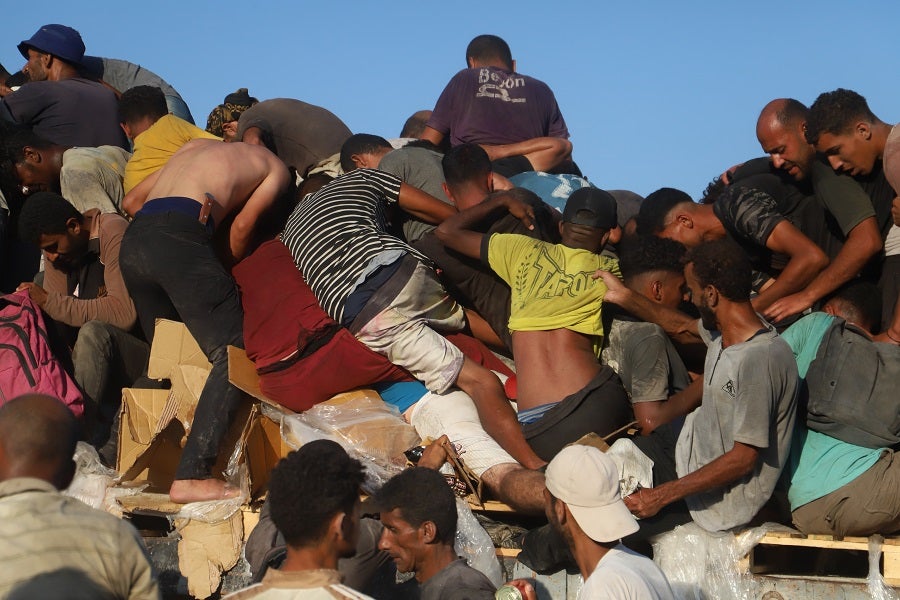
Our years of working together passed so quickly. Every time I asked photos for a report, Maryam delivered them at a remarkable speed. She was an exemplary professional and never refused a task and she often told me: “Ask a photo you want. Taking photos is not my job, but my mission.”
Maryam would repeat these words countless times during the five years that we worked together.
Her enthusiasm never decreased, her energy remained constant and her performance consistently accurately. As for her photos, they were extraordinary. Rich in significance, they would convey what even words could not.
What I admired most about my deceased colleague was her work ethics. Every day she woke up at six in the morning to start her work as a creative photographer. She had done this before before the outbreak of the war. When I asked her why she woke up so early, she would answer: “Work loves energy”.
Even on days when she had no journalistic assignments, Maryam would call me at seven o’clock, wake me up and encourage me to start the working day and request photos and video clips of her. She was energetic, dedicated and very competent.
Maryam was remarkable about her curiosity; She searched for stories on the street, under the narrow alleys of local neighborhoods, in hospitals, and even from informal conversations with people. She didn’t like to chase others and preferred to make her photos herself, always approaching her subjects with great humanity.
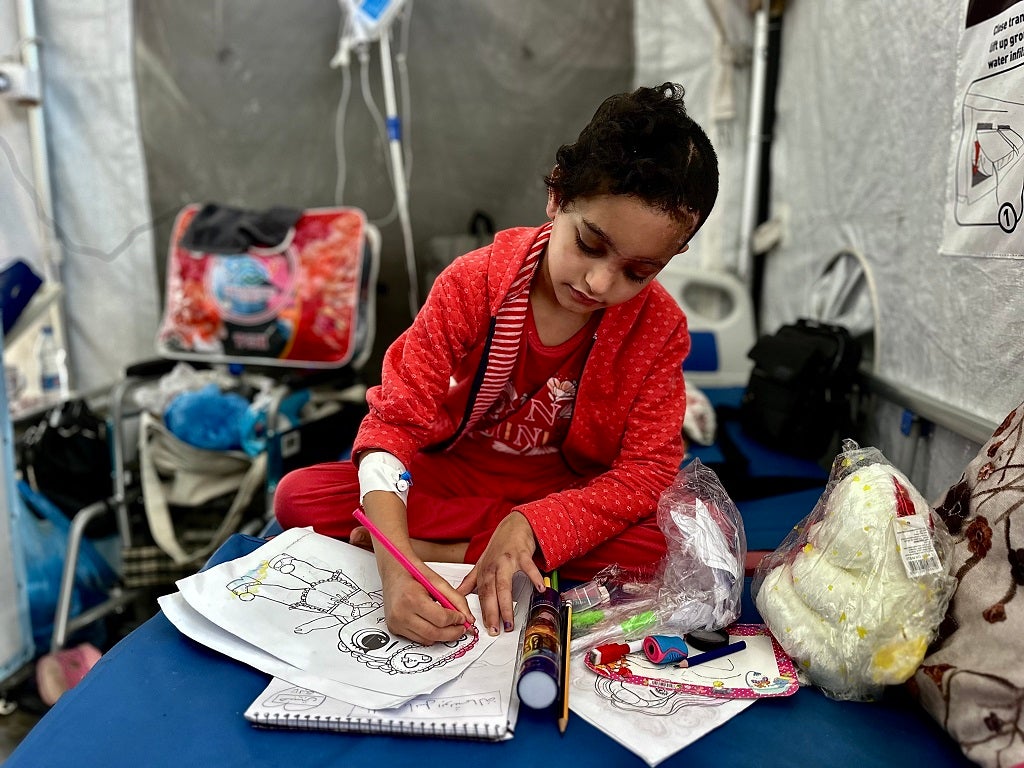
I rarely accompanied Maryam about her shoots, but when I did, I observed her skills and professionalism from first hand. Her photos seemed to speak for herself, tell the story and to convey the essence of the subject, even without explanation or comments.
In her professional interactions, Maryam was incredibly gentle and humane. If her colleagues asked her photos, she would give them zeal. If someone asked her how she could reach the subject of a story, she led them with humility. I witnessed her kindness towards children, her respect for others and her forgiving and modest nature.
During the war I asked Maryam to be careful and to avoid risks. Yet she would always respond in her unique way: “In this war I can be the victim, but don’t worry about me. Go on with our mission, don’t stop, be the voice of the community and write your stories – you are talented.”
To be honest, I cherished her praise for my reports and stories. During the war she told me that our colleague photographers and journalists often asked her about the material that we produced and wanted to emulate her work. I felt proud to hear her say: ‘We made a name for our organization, Independent ArabiaAs a source of innovative work. ”
Maryam was completely aware that she could fall victim to the constant war in Gaza. She once told me: “One day the camera will fall out of my hands in this war.” Indeed, she was killed while she covered the Israeli strikes on her city, Khan Younis.
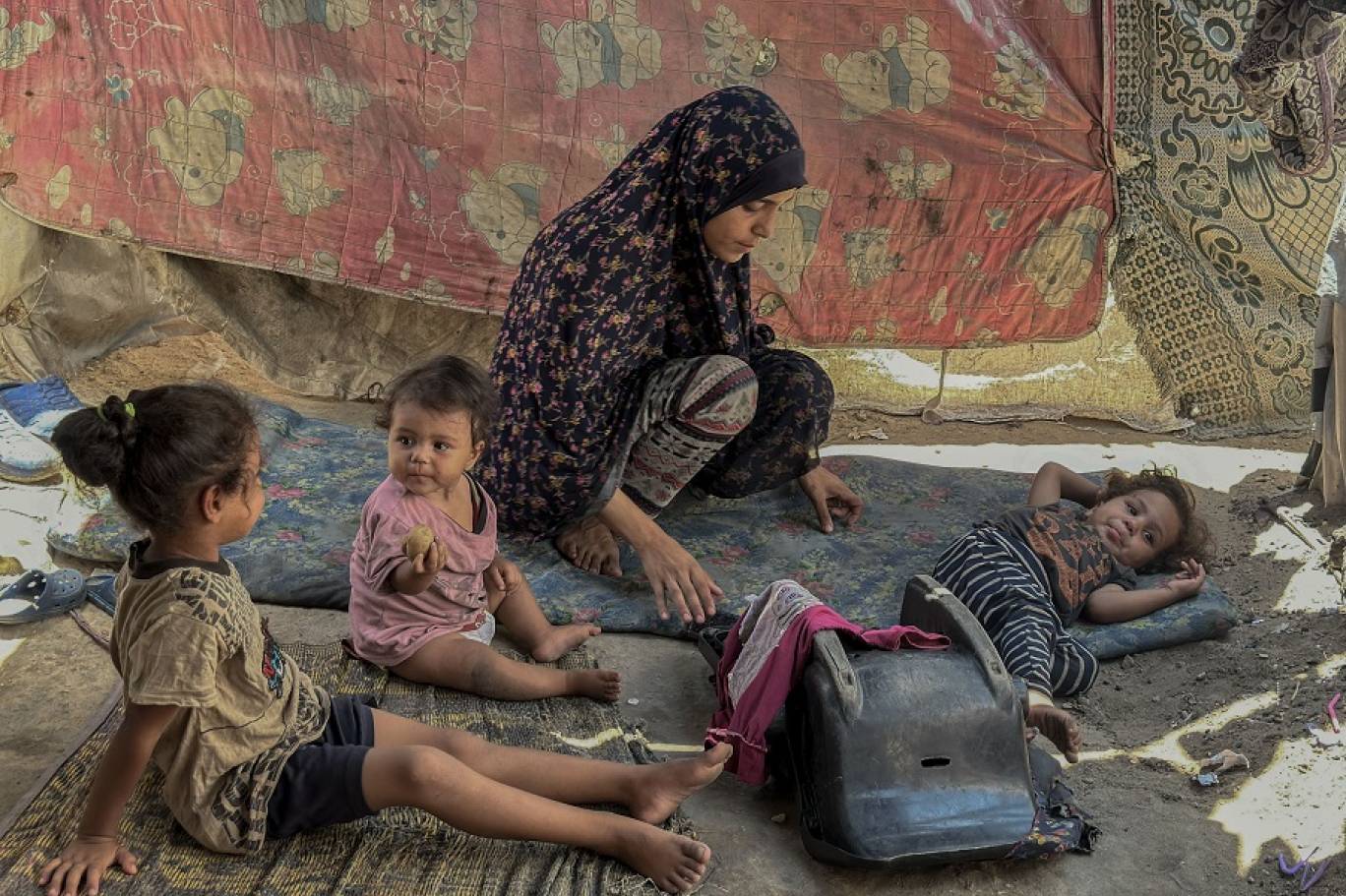
Maryam was not just a journalist; She was a warrior with a camera. She lived the war, moved between destroyed houses, overcrowded hospitals and travel camps and documented what Israel did not want to be documented. She saw herself as the eye of the world, witnessing the war in Gaza.
Her departure left me completely alone. Although colleague journalists are on my side, her absence is deeply painful. She left her photos that have captured the truth, and her words of leadership that will be read. Today I don’t feel able to work without you, my dear Maryam.
Maryam left with her camera in her hand, but she stays in our memory, a story that is told for years. She broke me and repeated her name and spoke to her to my children. Despite her early death, she lives in our hearts.
The story of Maryam always reminds me that freedom comes with high costs, that a mission requires sacrifice, and that journalism in Gaza is not only a profession – it is a voice, a memory and a history. My dear Maryam will stay in my heart as long as I live, remembered as one of the journalists who gave her life for the profession and mission of the media.
Reviewed by Tooba Khokhar and Celine Assaf
#Mary #Abu #Daqqa #Feless #documented #war #Gaza