

To make Wealthtender free for readers, we make money from advertisers, including financial professionals and companies that pay to be featured. This creates a conflict of interest when we favor their promotion over others. For more information, read our editorial policy and terms of service. Wealthtender is not a customer of these financial service providers.
➡️ Find a local advisor | 🎯 Find a specialized advisor
What if the most meaningful gift your family gives this year doesn’t come in a box? The holidays are a great opportunity to celebrate more than just being together; it is a time to pass on values such as generosity, gratitude and giving back. The holidays also provide blended families a time to create new traditions that unite parents, stepparents, and children from both sides around shared values and a common goal.
While the season is often filled with gatherings and gift exchanges, weaving charitable giving into your celebrations can help extend the spirit of the season far beyond your own household. It’s also an opportunity to learn more about each other: what each family member cares about, the experiences that shaped those values, and the causes that feel most personal.
Here’s how to get the whole family in the giving mood this holiday season.
Establish a family giving tradition
One of the easiest ways to instill charitable values is to make giving a recurring family event. Consider setting a date to talk about giving together. Just make sure it’s early enough so that you have time to include any action items on your to-do list before the year ends.
This tradition can be a wonderful way for blended families to build connection and a sense of shared identity. Try gathering everyone around the table and inviting everyone to share a goal that reflects their background or interests. Maybe one child wants to support an animal shelter, while another child wants to help families in need. Including everyone in the conversation promotes unity by strengthening the sense of belonging for all family members.
You may be surprised by your family’s ability to identify community needs and challenges they have learned about in school or through personal experiences. Ask them why they think certain causes or charities are important, and don’t be afraid to share your own stories too. For remarried couples, this can also be a time to reflect together on how your own upbringing and past family experiences have shaped your views on generosity.
During these planning conversations, try to keep the tone light and conversational. The goal here is not to brag about big dollar contributions or compare complex tax strategies. Rather, this is your opportunity to lay the foundation for a blended family culture built on inclusivity, respect, and shared purpose.
Think about your collective impact
While individual donations are powerful, pooling resources as a family can help magnify your impact. For example, you might consider setting up a ‘family fund’ to support one or two charities as a family. By doing this, you can collectively make a larger donation than any individual family member could make alone.
For blended families navigating new traditions and routines, shared giving can be a meaningful equalizer. It’s something everyone can contribute to, regardless of family history, and a way to focus on what unites rather than divides.
Shared giving traditions can help families feel closer, even when they are miles apart. Anyone can contribute, no matter where they live, and see their support in action, whether it’s funding a local food bank, supporting a college scholarship fund, or providing relief after a natural disaster.
If some members of your blended family live in different households, volunteering together (when and if possible) can add an even deeper sense of connection. Sorting donations, wrapping gifts or serving meals can create shared memories that bridge generations and strengthen bonds between step-siblings and extended family members. While charities can always use your financial support, many also appreciate the time and skills that volunteers provide during the holidays.
Choose your charity strategy
There is no one best way to give to charity, but some approaches may offer more flexibility, control or tax benefits than others.
Direct donations
Donating directly to a nonprofit is the simplest donation strategy available. That said, your direct donations can provide attractive tax benefits. For example, donating valuable assets directly to charity can avoid the need to sell and pay capital gains on the increase in value. Instead, the property goes directly to charity. This can be especially helpful in managing the tax impact of highly appreciated assets (including individual stocks and real estate), but as with everything tax-related, the IRS has rules and limits they must follow, and appreciated assets are more complex than cash donations. Be sure to work with your tax and financial advisor to determine which assets are best to donate for your situation and goals.
If you prefer to donate in cash, that is always useful too! Starting in 2026, you will be allowed to take an above-the-line deduction of up to $1,000 ($2,000 for joint filers) for charitable donations, even if you elect the standard deduction. If you itemize tax year 2026, you can deduct more in charitable donations than with the above-the-line deduction, but only for charitable donations above 0.5% of your adjusted gross income (AGI) (which starts in 2026).
Donor-advised funds
A donor advised fund (DAF) is a type of charitable investment account. You make a tax-deductible contribution to the fund, grow the funds tax-free, and then recommend grants to your chosen charities over time.
DAFs can be especially useful if you want to maximize year-end tax deductions and spend more time carefully selecting the charities you’ll support later. A DAF can even become a shared project for blended families, with each member helping annually with research and nominating organizations to receive grants.
Qualified Charitable Distributions (QCDs)
If you are subject to required minimum distributions (RMDs), you can choose to donate your IRA’s RMDs directly to charity through a qualified charitable distribution (QCD).
The amount donated will count toward fulfilling your RMDs for the year and is excluded from your taxable income.
For couples where one spouse is retired and the other is still working, QCDs can also help balance tax efficiency between households while continuing to support the causes you care about together.
Create and follow an intentional giving plan
If you’re already doing a year-end financial review in December, there’s no reason not to review your charitable goals as well. Look at your budget, evaluate your tax position at the end of the year and consider how much you want to spend on charity in the coming year.
Having these important conversations can also open the door to meaningful discussions about shared values, family history, and long-term legacy. What traditions from both sides of the family do you want to continue? Which new ones will you build together? And how can giving back in the form of your time, money or service become a central part of your new family identity?
These conversations, whether with your partner, children or a financial advisor, can of course lead to broader topics from the past. For example, you may want to discuss how donations can be included in your estate plan (for example, with a charitable remainder trust) or whether you want to include a charity as one of your account beneficiary designations.
During these end-of-year reviews, think about how your actions and considerations serve as models for your children. Help them see what it really looks like to align money with values in an impactful way while building a legacy that combines the best of both families’ stories.
Make the holidays merrier and brighter
If you haven’t already, think about how you can involve your family in your charitable giving this holiday season. Start with an open conversation. Ask what goals are most important to them, and find ways to support those goals together. It’s a meaningful way to align your values and make a bigger impact.
Especially for blended families, a thoughtful charity plan can help deepen the bonds between step-siblings and encourage new traditions as you write the next chapter of your family story together.
This article was originally published here and is republished on Wealthtender with permission.
About the author
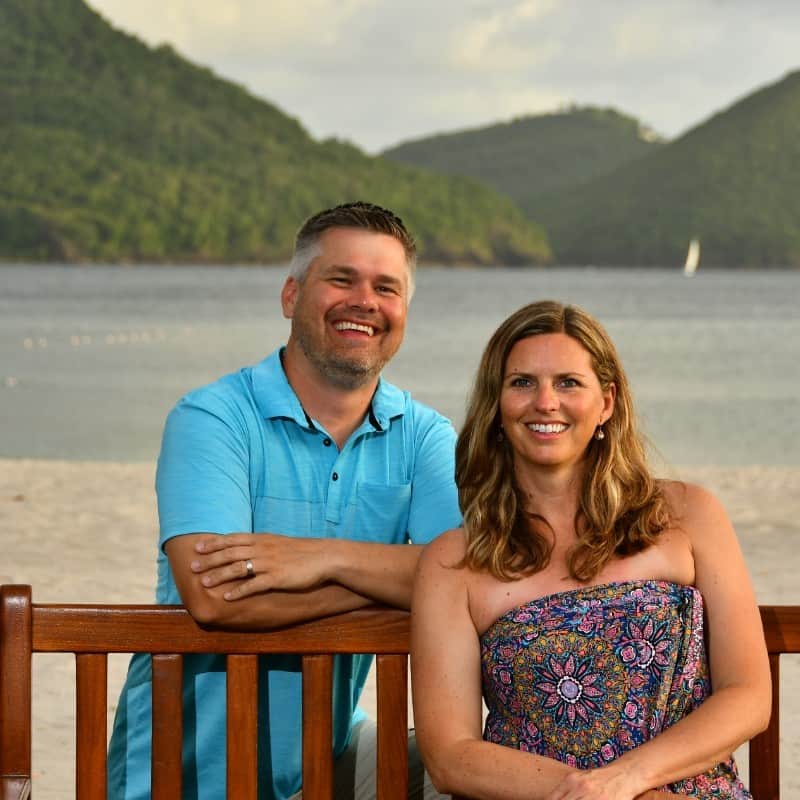
Brian K. Peterson, CFP®, CPWA®, MBA
Planning built for blended family life
Brian K. Peterson, CFP®, CPWA®, MBA
| Endurance Financial Group
🔗 Website | Wealth profile
#blended #families #build #unity #purposeful #vacations