How a hostel founded more than 100 years ago continues to help change women’s lives

How a hostel founded more than 100 years ago continues to help change women’s lives

More than a century ago, the Young Women’s Christian Association (YWCA) bought a building in Sydney’s CBD and turned it into a hostel for young women seeking safety and stability.
What started as a modest hostel has now grown into a hotel with 156 rooms, but the mission remains the same: supporting women’s housing.
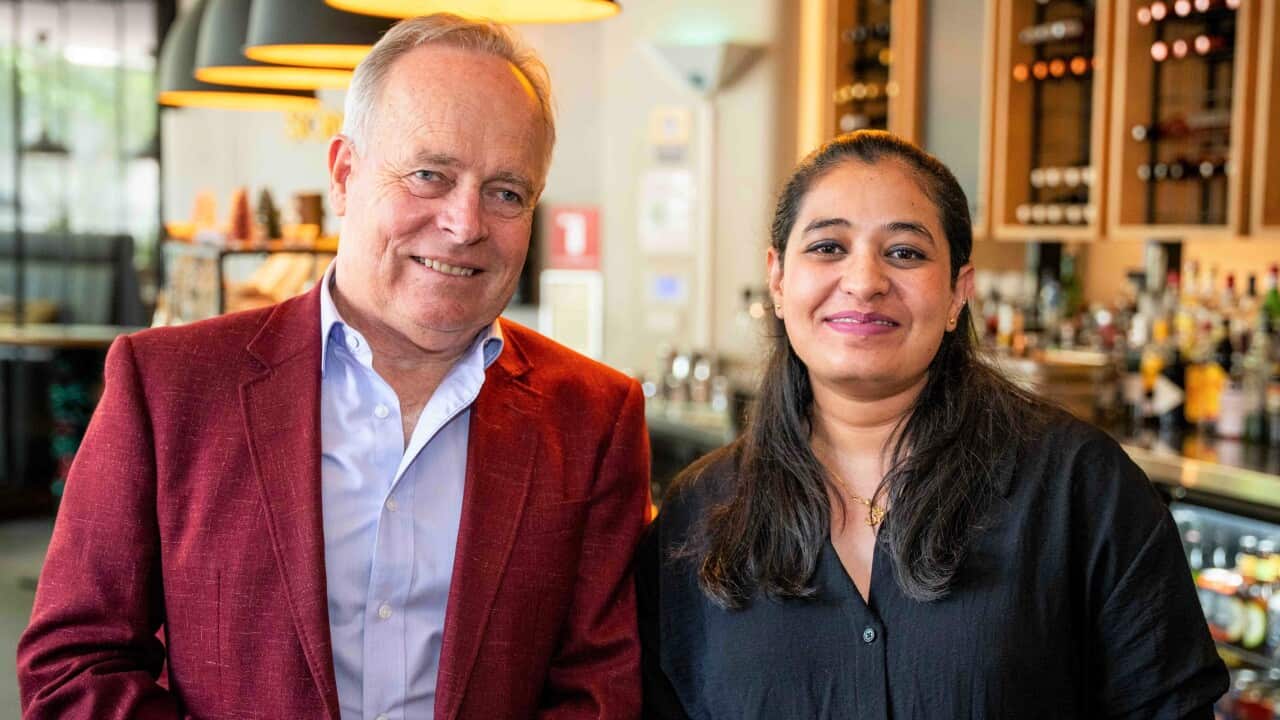
For Jon Ackary, Managing Director of Song Hotel, combining commercial success with social impact is not only a business strategy, but also a personal strategy.
“It’s just a dream as a hotelier to do something that has such an impact on other people,” he said.

The hotel spends part of its revenue on women’s housing initiatives, easing pressure on a system that is under increasing pressure.

The original building of the Sydney-based Song Hotel was purchased by the YWCA almost 100 years ago. Source: Delivered / Songhotel

The urgency is undeniable. According to Homelessness Australia, the number of women and girls already homeless while seeking shelter has increased increased by 20 percent in recent years.

Pooja Soni, a specialist homelessness case manager at YWCA, said: “We are getting more and more referrals from women who are at risk.”
“A lot of [women] are fleeing domestic violence, but they can also be single women, older women or young women with children.”
The YWCA – a national nonprofit that has supported women for more than 140 years – now owns or manages more than 460 social and affordable housing units across the country.

Each year the country provides approximately 130,000 nights of safe accommodation, but demand continues to far exceed supply.

“Many women are on a waiting list for housing, and some live with a violent perpetrator in their home. That is a big risk for them and also for the children,” Soni said.
“They may end up in a caravan or sleep in gardens or on the train. And that is not safe for women, for any woman.”
Originally trained as a doctor in India, Soni migrated to Sydney in 2017 before shifting her career to social work.
After completing a postgraduate degree in social work, she joined the YWCA and now works on the frontlines of Australia’s worsening housing crisis.
“Rents are high across Australia. So it’s very difficult to afford housing. And if it’s difficult for people who are working, then it’s very difficult for the people who are at risk,” Soni said.
Recent analysis by Domain highlights the scale of the challenge, showing that renters now need a six-figure annual income to comfortably afford a home in any Australian capital.
The hotel’s newly renovated Sydney location, near Hyde Park, is one of approximately 12,000 social enterprises operating nationwide: businesses that trade commercially while reinvesting profits to create social good.

“Here, 25 percent of every dollar spent goes right back to the YWCA. If you buy a $4 coffee, $1 goes back, or if you buy a $40 steak, it’s $10,” Ackary said.

But balancing financial viability and purpose is rarely easy.
Tara Anderson, CEO of Social Traders, said social enterprises donate millions of dollars to charities every year.
“And this is one of the really important ways they create impact,” she said.
“But running such a business can be very difficult because profit and purpose can be in conflict, so the people who run social enterprises have to walk a very tricky tightrope.”
Social Traders recently released a groundbreaking report on the impact of social enterprises, finding that they contribute more than $16 billion to the Australian economy every year and employ more than 200,000 people.

Despite difficult market conditions, the report shows that many social enterprises continue to grow, with collective revenues steadily increasing.

A bowl of diced fruit sits on a table in front of a commercial kitchen.

In an age of rising costs, social enterprises must carefully balance profit and purpose, says Tara Anderson, CEO of Social Traders. Source: SBS / Sandra Volloon

“Despite challenging market conditions, combined sales have increased 10 percent in recent years,” Anderson said.

“And that’s partly because people who run social enterprises are incredibly passionate about what they do. They often put in extra hours because of their dedication to their cause.”
Yet the cost of living crisis is putting increasing pressure on the sector.
“Everything is going up, from the laundry to the food to the labor,” Ackary said.
“So we have to be really commercial and very focused on our expenses and on driving our revenues.

“And while our goal is number one, we never lose sight of our customers.”

For leaders like Ackary, managing both objectives is part of the daily challenge.
“I’m super proud. It’s rewriting the commercial world, if you like.
‘Everyone thinks that a company should have someone behind it who is driven to make a lot of money.
“Well no, people in social enterprises have a purpose, and that’s what drives us.”
If you or someone you know is affected by family and domestic violence, call 1800RESPECT on 1800 737 732, text 0458 737 732, or visit 1800RESPECT.org.au. In case of emergency you can call 000.

#hostel #founded #years #continues #change #womens #lives

Similar Posts

Leave a Reply

Your email address will not be published. Required fields are marked *