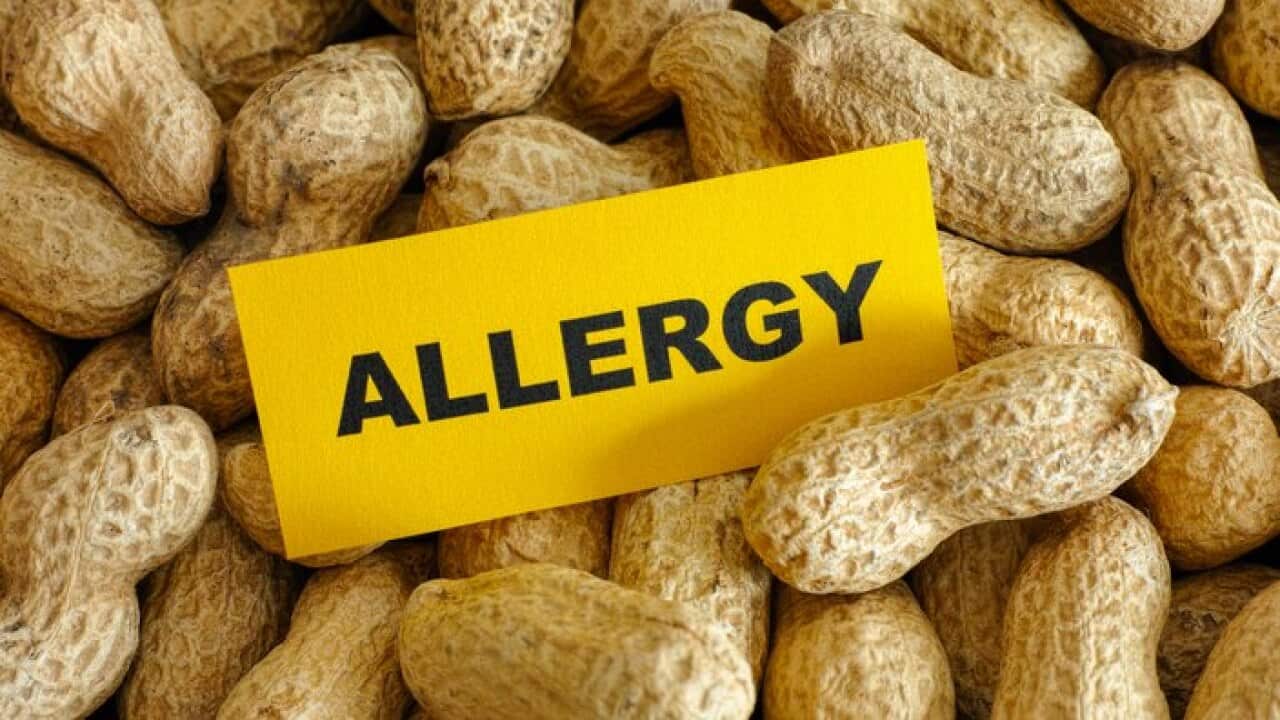
Feeding infants peanuts prevented thousands of children from developing allergies

Feeding infants peanuts prevented thousands of children from developing allergies

3 minutes, 10 seconds Read

Ten years after a landmark study found that feeding peanut products to young babies could prevent them from developing life-threatening allergies, a new US study has shown it makes a big difference in the real world.
The study found that about 60,000 children in the United States avoided developing peanut allergies after new guidelines were issued in 2015 on when to introduce the allergen to young people.
Before the new guidelines, parents were warned not to expose their children to potentially risky foods until they were three years old, in hopes of preventing a full-blown allergy.
Peanut allergy is one of the most common of these conditions, caused when the body’s immune system mistakenly identifies proteins in peanuts as harmful and releases chemicals that cause symptoms such as hives, breathing problems and sometimes life-threatening anaphylaxis.

But groundbreaking research known as Learning Early About Peanut Allergy, or LEAP, published by Professor Gideon Lack of King’s College London, suggested that earlier exposure could actually help children.

“The LEAP study showed that if we actually introduce that allergen to children by mouth, by having them eat it before they come into contact with it through their skin, we can reduce the risk of that child developing the food allergy themselves,” Dr. David Hill of the Children’s Hospital of Philadelphia told SBS News.
Hill has published a new study after analyzing electronic medical records from dozens of pediatric practices to track diagnoses of food allergies in young children before, during and after the new guidelines were issued.
It has been found that thousands of other children in the US have also avoided developing peanut allergies after their parents followed dietary advice.

“What our data shows is that because of, or at least associated with, these early introduction guidelines, there are about 60,000 fewer children with food allergies today than there ever would have been. And that’s remarkable, right? That’s the size of some cities,” he said.

Australian study shows ‘modest reduction’

Associate Professor Rachel Peters has been part of food allergy research at the Murdoch Children’s Research Institute’s National Allergy Center of Excellence.
She said at least two major studies have been completed in Australia over the past decade to investigate what could prevent such allergies in the first place – one before Australia adopted new infant feeding guidelines in 2016, and one after.

“We had two population-based studies in the same region, which was Melbourne, Australia,” she said.

“So we had two cohorts recruited using exactly the same methods, but ten years apart.”
She said the study measured what parents are doing in terms of early feeding practices, showing that nearly 90 percent of babies were fed peanut-containing products in the first year of life, as recommended by the guidelines.
The study showed a “modest reduction” in food allergy, but not as much as researchers expected.

“While we are certainly starting to see a decline in the rates of peanut allergies in Australia, they are still quite high, and higher than in some other countries around the world, and also higher than what this US study found,” she said.

Peters says the Australian findings suggest much more research needs to be done to determine the different causes of food allergies.

She said some research – including research into whether less exposure to sunlight and vitamin D increases the risk of developing allergies – has shown promising evidence.

“We’re even seeing that in Australia. We have higher rates of food allergies in Melbourne compared to what we see in Queensland,” she said.
According to the charity group Allergy and Anaphylaxis Australia, peanut allergy is one of the most common food allergies in children in Australia, affecting three percent of babies up to 12 months of age.

#Feeding #infants #peanuts #prevented #thousands #children #developing #allergies

Similar Posts

Leave a Reply

Your email address will not be published. Required fields are marked *