

Most football fans have one or a few iconic stadiums that they think of when they are asked which ground they would like to watch a football match at. Some say Anfield, while many votes go to the Signal Iduna Park, and others suggest Maracana or La Bombonera. Whenever I’m asked this question, my answer is always Estadio Azteca in Mexico City, and while that may not be a very popular choice, I have a compelling case. That is why I am so dissatisfied with the fact that next year’s World Cup will not play a single match at this location after the round of 16. The reason for this, as always when it comes to FIFA decision-making, is money. Competitions in the US are simply more lucrative for the organizers. And that’s why every match from the quarter-finals onwards is hosted in the US. Yet, as someone fascinated by the history of football, I would like to stand by the claim that the only stadium on that entire continent that would be a perfect fit as a World Cup final venue is the Estadio Azteca.
Mexico became the first country to host multiple FIFA World Cups, and to this day no other country has hosted two World Cups just sixteen years apart. The upcoming 23rd edition of the FIFA World Cup will see Mexico, as co-host alongside the US and Canada, become the first country to host three different FIFA World Cup tournaments. And yes, Estadio Azteca was the venue for the final in both of the two former stagings, making it the only stadium to host multiple World Cup finals (while Maracana comes very close, having hosted the final match of the final group that became the de facto final of the 1950 World Cup, in addition to the 2014 World Cup final). And these two finals are the two most vividly remembered and recounted events in the history of football, which had crucial consequences in the process of making football a global event in the second half of the twentieth century.
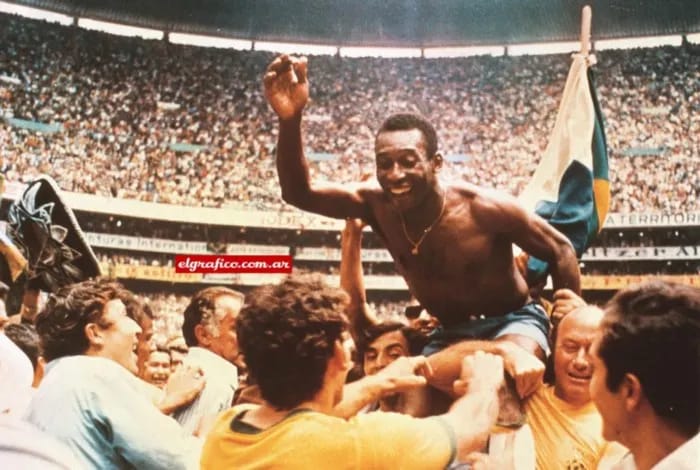
The first of these took place on June 21, 1970, when the Brazilian team, considered by many to be one of the best ever, played a match that received enormous worldwide attention as the men in yellow and green, captained by Pele, convincingly defeated a talented Italian side to claim their third FIFA World Cup crown and take home the Jules Rimet Trophy. This match has been talked about endlessly, from Pele’s header to the icing on the cake, the final goal, culminating in full-back Carlos Alberto standing unnoticed and scoring. While football has had many great sides before and since, the global appeal this Brazilian team created remains virtually unparalleled in the history of the sport, and this match serves as a constant reference point for what football looks like at its best.

The second came on June 29, 1986, when Argentina, led by Diego Armando Maradona in his prime, defeated a spirited West German side to claim their second World Cup victory. This was around the time that televisions were gaining popularity in less affluent economies. Maradona’s performance at that World Cup is still regarded as one of, if not the best, individual performances in the entire history of the World Cup. As the event that crowned Maradona’s Argentine champions, this match, like the 1970 final for Brazil, ensured that there would be huge crowds of supporters from around the world cheering them on once every four years. It is hardly a surprise that most of the non-Brazilians and non-Argentinians supporting Brazil and Argentina today either experienced their moments of great enchantment during the final matches at the Estadio Azteca, or have followed in the footsteps of those who did.
That’s not all. The World Cup history of this site continues. This pitch witnessed what was long considered the greatest World Cup match ever, an end-to-end affair that saw a slew of goals scored in extra time, as Italy, with an inspired Rivera, defeated a West German side that boasted the likes of Beckenbauer and Gerd Müller, 4-3 in the semi-finals of the 1970 World Cup. To commemorate this match, a plaque was placed in the ground entitled “The Game of the century”. And finally, it was Estadio Azteca, where England played Argentina in one of the most talked about World Cup matches ever in the 1986 World Cup quarter-final. This match witnessed two of the most famous goals in the history of the game. The first of the two was the famous Hand of God, the other was the goal of the age. Both goals were scored by Maradona, just a few minutes apart.

When it comes to its historical significance as a World Cup venue, it is almost impossible to find a ground that comes even close to the gravitas of Estadio Azteca. Although the money-making rules that FIFA dutifully enforce deny the ground its rightful place, football romance worldwide will forever have a soft spot for Estadio Azteca, where both Pele and Maradona enjoyed their most cherished moments.
Mexico became the first country to host multiple FIFA World Cups, and to this day no other country has hosted two World Cups just sixteen years apart. The upcoming 23rd edition of the FIFA World Cup will see Mexico, as co-host alongside the US and Canada, become the first country to host three different FIFA World Cup tournaments. And yes, Estadio Azteca was the venue for the final in both of the two former stagings, making it the only stadium to host multiple World Cup finals (while Maracana comes very close, having hosted the final match of the final group that became the de facto final of the 1950 World Cup, in addition to the 2014 World Cup final). And these two finals are the two most vividly remembered and recounted events in the history of football, which had crucial consequences in the process of making football a global event in the second half of the twentieth century.
The first of these took place on June 21, 1970, when the Brazilian team, considered by many to be one of the best ever, played a match that received enormous worldwide attention as the men in yellow and green, captained by Pele, convincingly defeated a talented Italian side to claim their third FIFA World Cup crown and take home the Jules Rimet Trophy. This match has been talked about endlessly, from Pele’s header to the icing on the cake, the final goal, culminating in full-back Carlos Alberto standing unnoticed and scoring. While football has had many great sides before and since, the global appeal this Brazilian team created remains virtually unparalleled in the history of the sport, and this match serves as a constant reference point for what football looks like at its best.
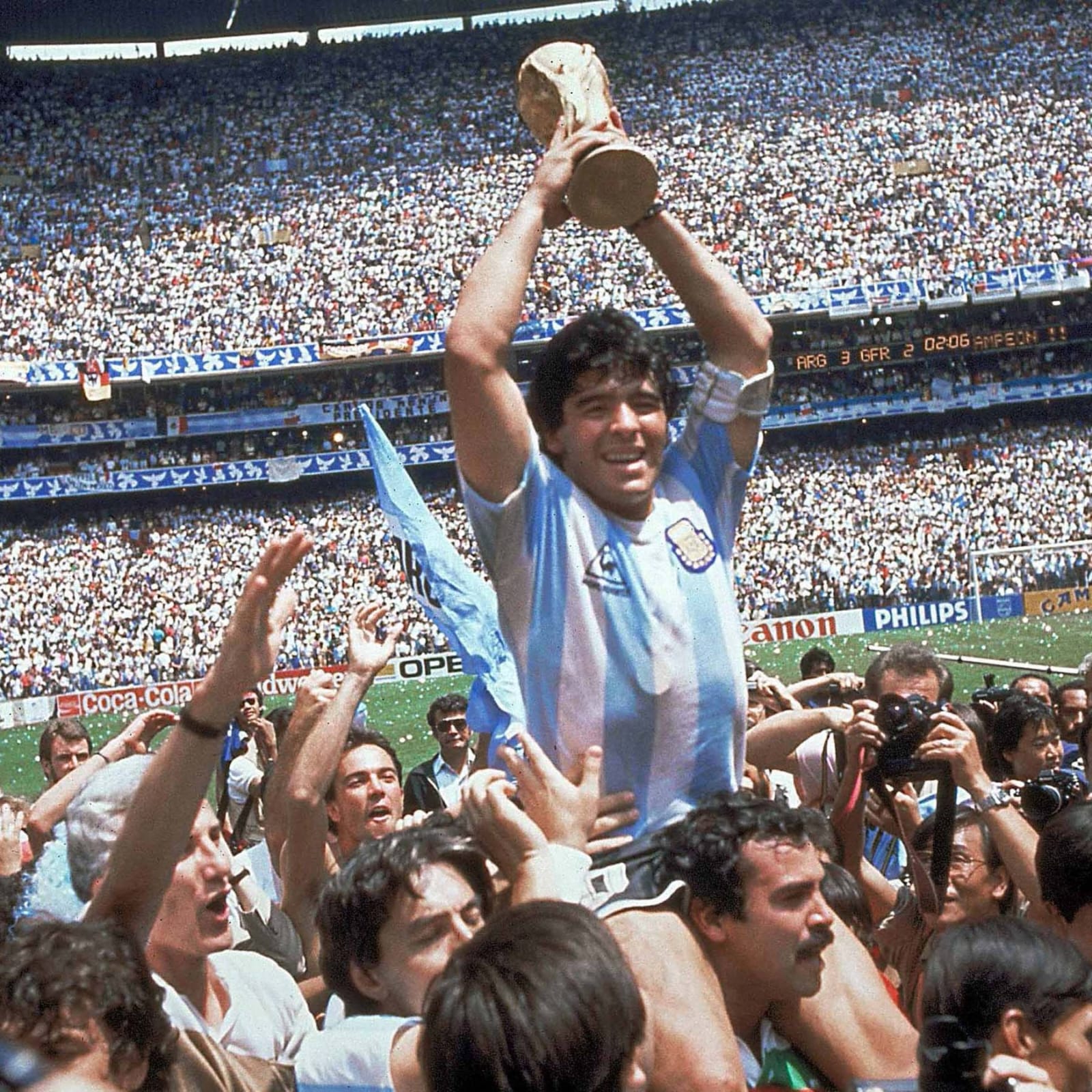
The second came on June 29, 1986, when Argentina, led by Diego Armando Maradona in his prime, defeated a spirited West German side to claim their second World Cup victory. This was around the time that televisions were gaining popularity in less affluent economies. Maradona’s performance at that World Cup is still regarded as one of, if not the best, individual performances in the entire history of the World Cup. As the event that crowned Maradona’s Argentine champions, this match, like the 1970 final for Brazil, ensured that there would be huge crowds of supporters from around the world cheering them on once every four years. It is hardly a surprise that most of the non-Brazilians and non-Argentinians supporting Brazil and Argentina today either experienced their moments of great enchantment during the final matches at the Estadio Azteca, or have followed in the footsteps of those who did.
That’s not all. The World Cup history of this site continues. This pitch witnessed what was long considered the greatest World Cup match ever, an end-to-end affair that saw a slew of goals scored in extra time, as Italy, with an inspired Rivera, defeated a West German side that boasted the likes of Beckenbauer and Gerd Müller, 4-3 in the semi-finals of the 1970 World Cup. To commemorate this match, a plaque was placed in the ground entitled “The Game of the century”. And finally, it was Estadio Azteca, where England played Argentina in one of the most talked about World Cup matches ever in the 1986 World Cup quarter-final. This match witnessed two of the most famous goals in the history of the game. The first of the two was the famous Hand of God, the other was the goal of the age. Both goals were scored by Maradona, just a few minutes apart.
When it comes to its historical significance as a World Cup venue, it is almost impossible to find a ground that comes even close to the gravitas of Estadio Azteca. Although the money-making rules that FIFA dutifully enforce deny the ground its rightful place, football romance worldwide will forever have a soft spot for Estadio Azteca, where both Pele and Maradona enjoyed their most cherished moments.
Related
Discover more of
Subscribe to receive the latest posts by email.
#Estadio #Azteca #ground #FIFA #World #Cup #Final #place