

After the death of Pope Francis on Easter Monday, the Catholic Church starts a process that is unchanged almost in 800 years to select his new leader.
The system is known as the ‘papal conclusion’ and is a democratic process with a strong emphasis on working by multiple voting rounds until a clear consensus arises.
According to the current rules, only cardinals younger than 80 can cast a vote.
There is no age limit for those who can become pope, but Francis was 76 when he took the position and held it until it is 88 years old.
Benedict for him was 78 and was only eight years pope before his surprise spot was 85 years old.
When does the conclave start?
The Pope’s funeral took place on Saturday 26 April and started nine official days of Mourning, called the Novemdialles, which ends on 5 May.
According to the Vatican rules, the process of choosing a new pope must start between 15 and 20 days after the pope’s death. The pope died on April 21, so the conclave can start between 6 and 11 May.
It is the Camerlengo, a cardinal selected by the Pope, who has the task of organizing the conclave election process.
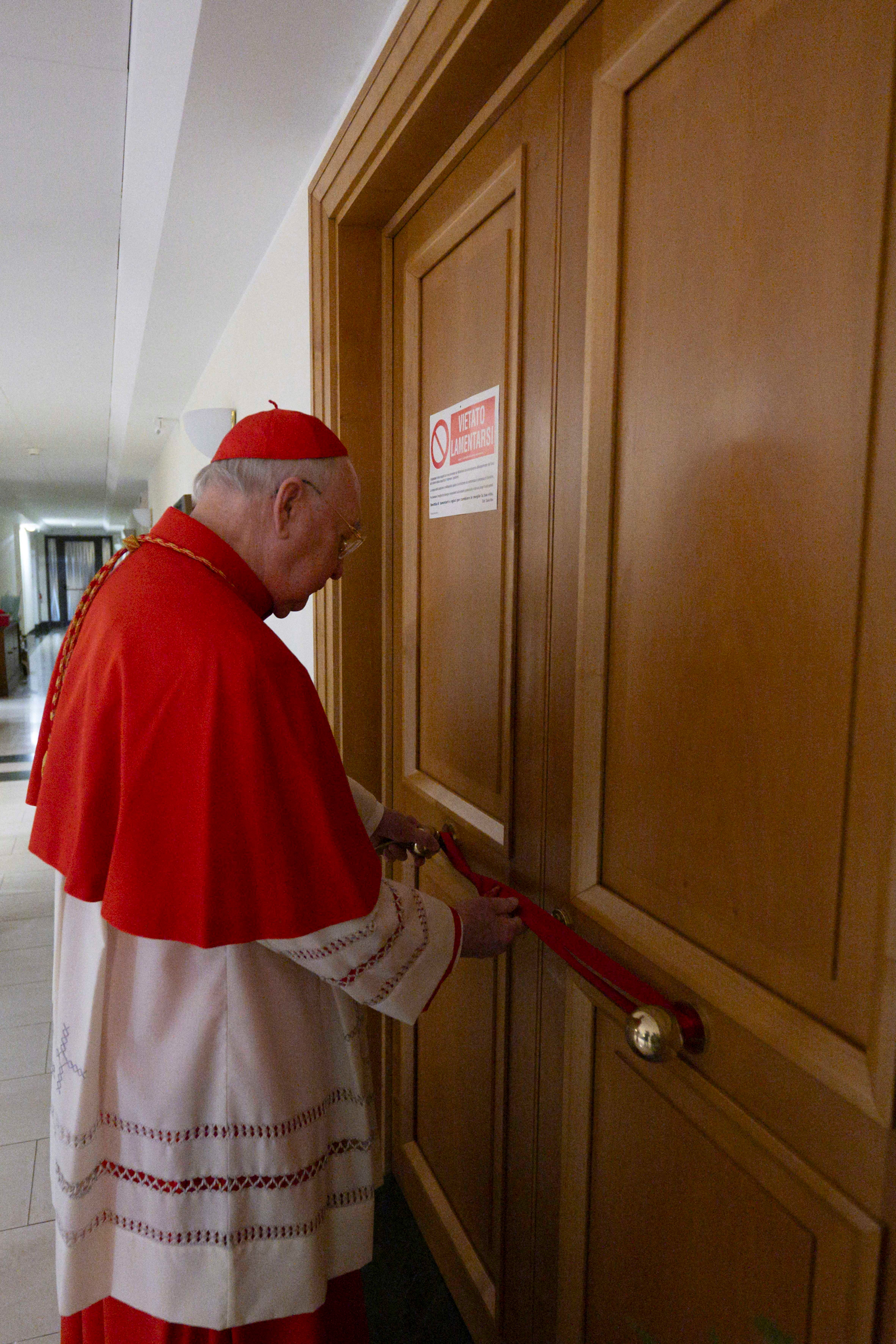
The current Camerlengo is Cardinal Kevin Farrell, an American Catholic prelate born in Irish who has been holding the position since 2019.
Cardinal Farrell will have several other tasks for this, but supervise the papal funeral process. He will have the responsibility to arrange for the use of a ceremonial hammer to destroy the Ringpaus that Francis uses to seal documents, which means that no chance of falsification.
He is also the cardinal who sealed the door to the study and bedroom of the pope with a traditional red ribbon.
How does conclave work?
To start the conclave process, there is a special morning mass, after which the 135 cardinals of the voting age would collect in the beautifully decorated Sixtine Chapel – the home of all papal conclusions since 1858.
New rules for the election of a Pope were introduced in 1996 under Pope John Paul II, and the trial has since remained largely unchanged. After the death of a pope, Cardinals hold a series of meetings called General Congregations to discuss the future of the church.
Although all 252 cardinals can participate in these meetings, only 135 younger than 80 are and are therefore eligible to participate in the conclave.
After the cardinals have been collected, the scream “extra omnes” (everyone “and the cardinals – which are sworn in to an oath of confidentiality – will be locked in the conclave until they can choose a successor.
There is no guarantee that the first voting round will be unveiled the same day. Due to a mixture of speeches, prayer, reflection and intense political struggle – cardinals candidates away through successive voting rounds.
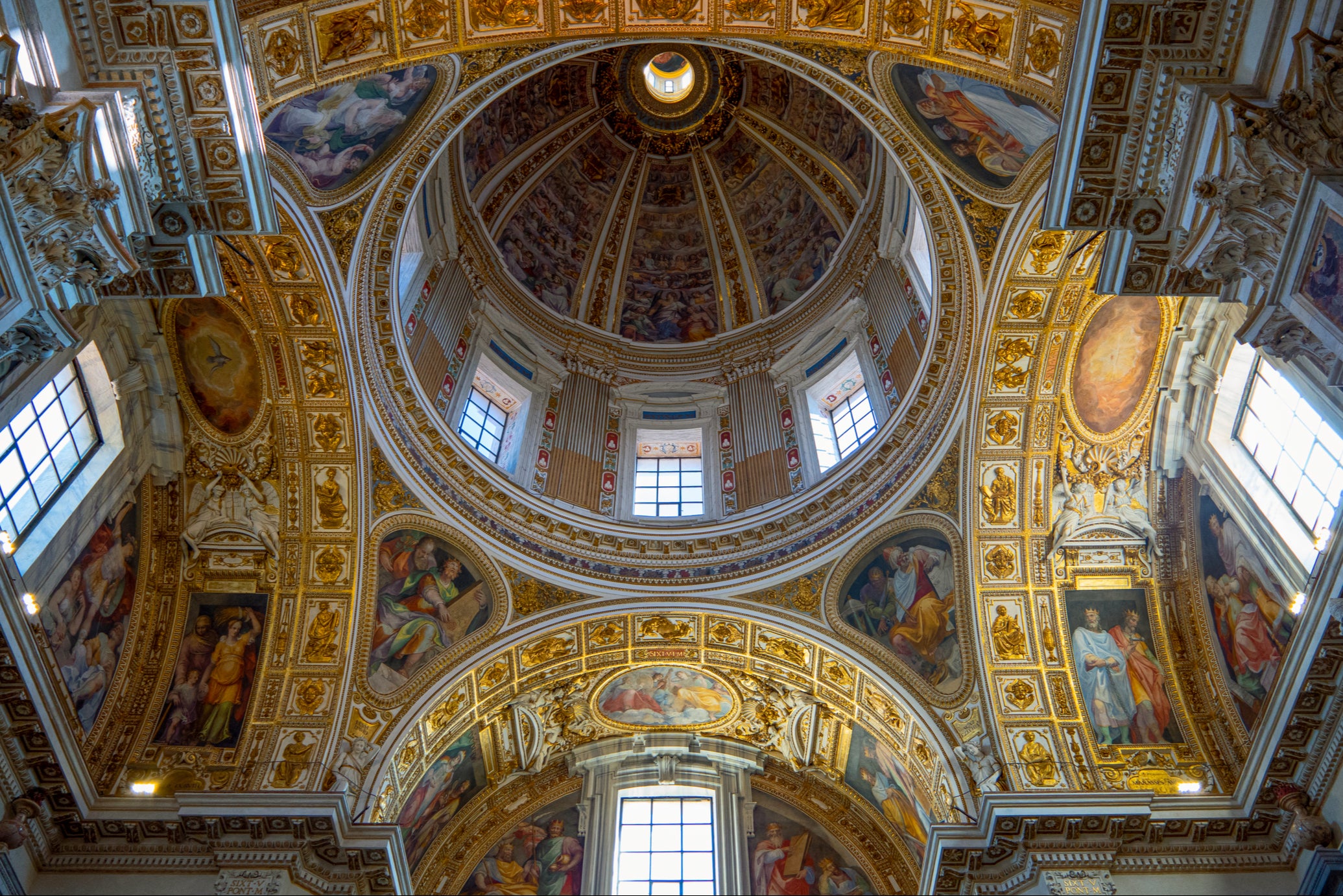
The cardinals themselves are on both sides of the Sistine Chapel.
The names of nine cardinals are randomly chosen to officially officize and organize the vote. Three are scruters, whose task it is to supervise the mood. Three more gather the voices and three more revise them.
A pope is only chosen when a single candidate receives a two -thirds majority. Sometimes pope are quickly chosen when a strong candidate arises. From the 34th mood, however, only the conclave between the two front runners who have won the most votes in the previous round.
Incidentally, the longest papal conclave in the late thirteenth century lasted the best part of three years thanks to a massive political struggle. Three voting cardinals died during the process.
The mood itself is secret and was introduced by Gregory XV on 1621 to try to avoid open politics, but the conclave is inevitably a hotbed of competing factions that their husband want to see at the top.
During each ballot paper, cardinals write the name of their choice, ideally in distorted handwriting to hide their identity.
The ballot papers are then burned in a small fire in the Sixtine Chapel. The black smoke produced by the fire tells the crowds who wait outside that a new pope still has to be chosen.

When a candidate has finally won two -thirds of votes, a new pope is chosen. The cardinal dean then calls the candidate at the front of the chapel and asks if they are willing to accept. If the answer is yes, the new pope is asked to choose his new papal name.
Although the pope is seen as the successor of St. Peter, no one has chosen Peter for their papal name, partly to avoid comparisons with the founder of the Roman Catholic Church and partly because of an old prophecy that a new pope named Peter voice at the end of the world.
With a pope that is now being properly chosen, the ballot papers are again burned with an additive that is placed in the fire that the smoke turns white and informs the world that a new pope has been chosen.
In the weeks prior to the conclave, Vatican tailors will start making three papal robes in small, medium and large. The new pope is led to the room of tears adjacent to the Sixtine chapel where he pulls his new white robes and red slippers.
The Pope is then presented to the crowd who have gathered in the Vatican from the main balcony of St. Peter’s Basilica with the famous words: “Annuntio Vobis Gaudium Magnum: Habemus Papam!” (I announce with great joy, we have a pope.)
#Conclave #secret #elections #choose #pope