

(Photo: Yan Krukau | Pexels)
You’re not alone if you’ve ever held your fingertips a few inches above your toes during the Standing Forward Bend while a yoga teacher casually instructed, “Just relax forward!” Forward folds are often taught as beginner poses, but for many bodies they are anything but.
“How do I touch my toes?” is a frequently asked – and often misunderstood – question. That’s because touching your toes may have very little to do with flexibility, and almost everything to do with your body’s bone structure, the position of your spine, and even how you breathe.
Why not everyone can touch their toes
Whether or not you can touch your toes is influenced less by how often you stretch and much more by the shape of your bones, the position of your body while stretching, and how you approach movement in general.
Your personal anatomy
The length of your femurs (thigh bones), depth and placement of the hip socket (toward the front or side of your pelvis), and even your spinal curves all play a role in how close your hands can get to your toes.
For example, a person with long femurs and deep hip sockets may feel a hard “stop” sensation in the forward crease at the front of the hip as the edge of the acetabulum meets the thigh bone.
Additionally, forward folds are often learned while sitting on the floor, which immobilizes the pelvis and creates restrictions in the hips and lower back.
The nervous system
Even if anatomy and pelvic position don’t prevent you from touching your toes, your body may still resist a forward fold. That’s because flexibility is not only mechanical, but also neurological.
When the nervous system senses threat or tension, the muscles instinctively contract to protect the joints. Holding your breath, forcing the stretch, and pushing your body can actually decrease your range of motion instead of increasing it.
The do’s and don’ts of reaching for your toes
If touching your toes is the goal, forward folds can easily become an exercise in frustration. But when your goal becomes self-awareness, confidence in your body, and steady breathing, you’ll find that the pose has so much more to offer you.
Touching your toes may never be part of your physical practice – and that’s okay. A successful forward fold is one where the pelvis and spine feel supported, breathing remains smooth and the nervous system softens.
1. Don’t force yourself into the stretch
Don’t pull on your feet or legs to “push” yourself into the stretch. Instead, find a durable shape that you can hold for a minute or two. Allow gravity to relax your muscles, including your hamstrings and core, being careful to soften them rather than tighten them.
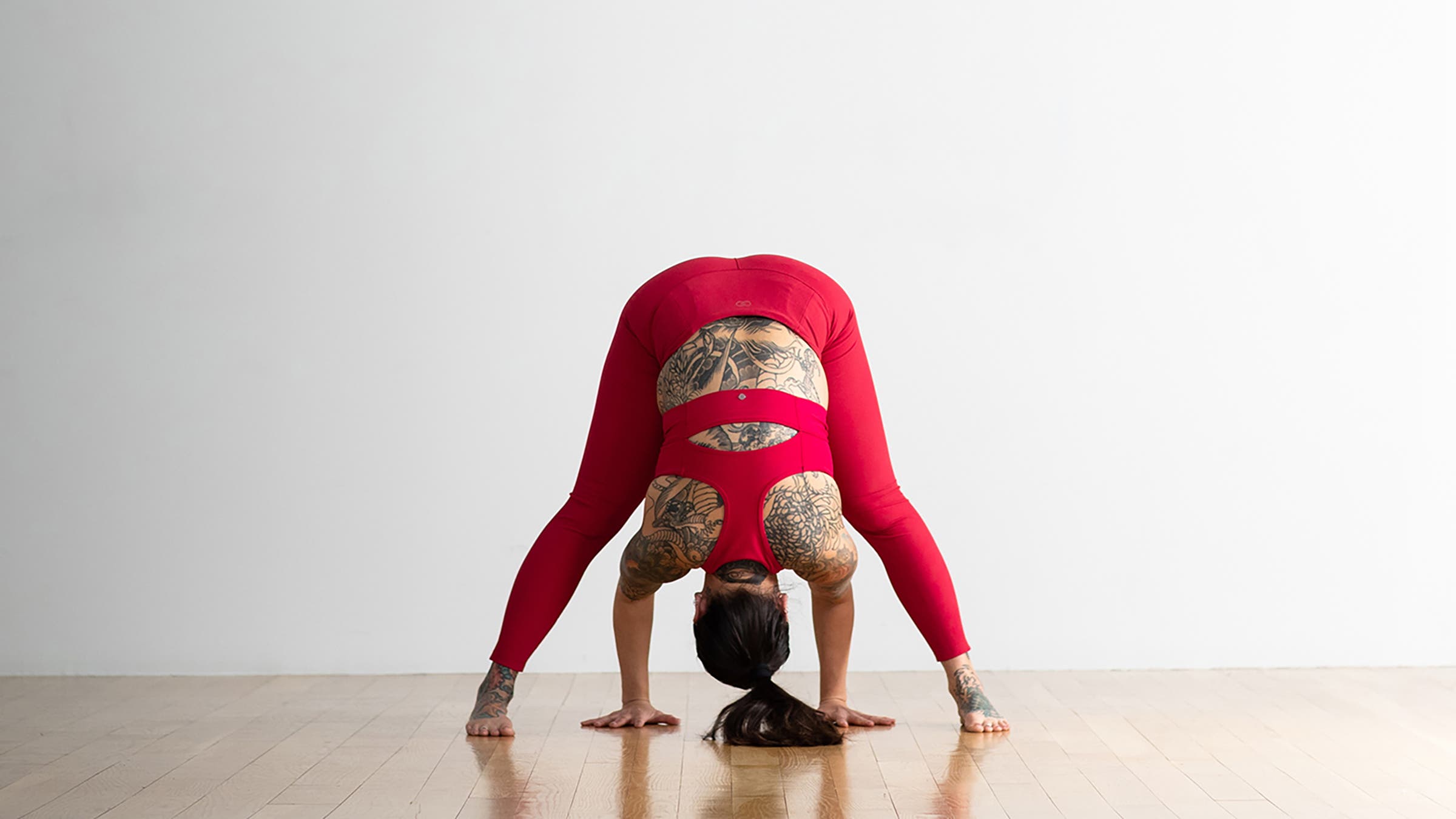
2. Vary the forward folds you practice
If you’re looking for more sensation along the back body in a forward fold, try a different leg position! Straight legs, wide legs, or even a butterfly pose where the soles of the feet touch and the knees are open can provide different stretch depths and make the pose more accessible.
Changing the distance between your legs can also help create more space in and around the hip joint, giving you access to different parts of your hamstrings. So even if you don’t touch your toes, you’ll actually experience more stretch.
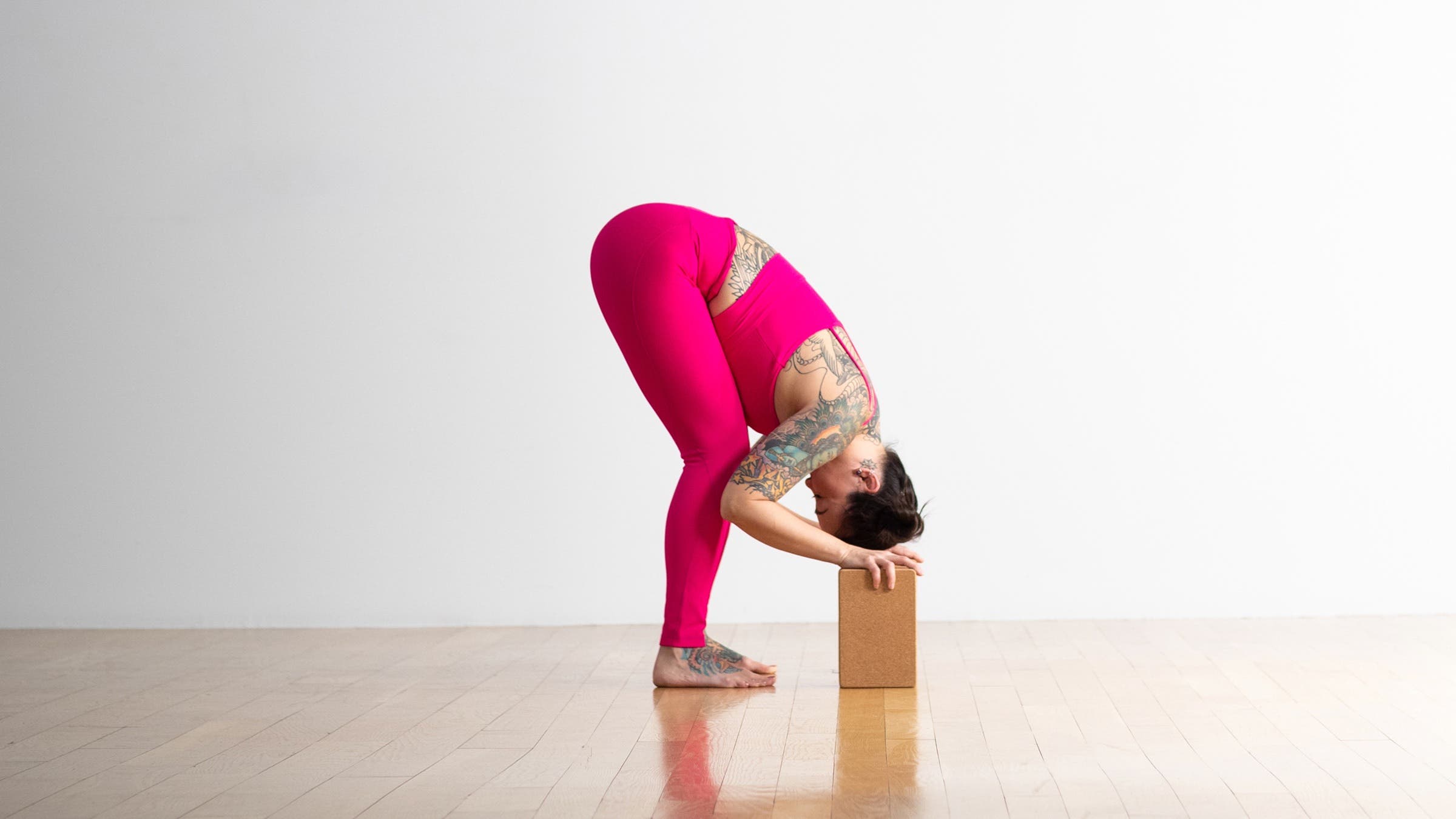
3. Use props
A simple pelvic adjustment that teachers have probably heard mentioned in class is to tilt forward (forward), which creates space for a more comfortable forward fold.
Try tilting the pelvis forward by sitting on a blanket. This restores the arch of the lower back (where you don’t want to feel the crease) and creates more room for the hamstrings to lengthen (where you do want to feel it!).
Whether your hands rest on a pillow, your thighs, or the floor matters a lot less than how the pose feels from the inside and how present you are when you’re there.
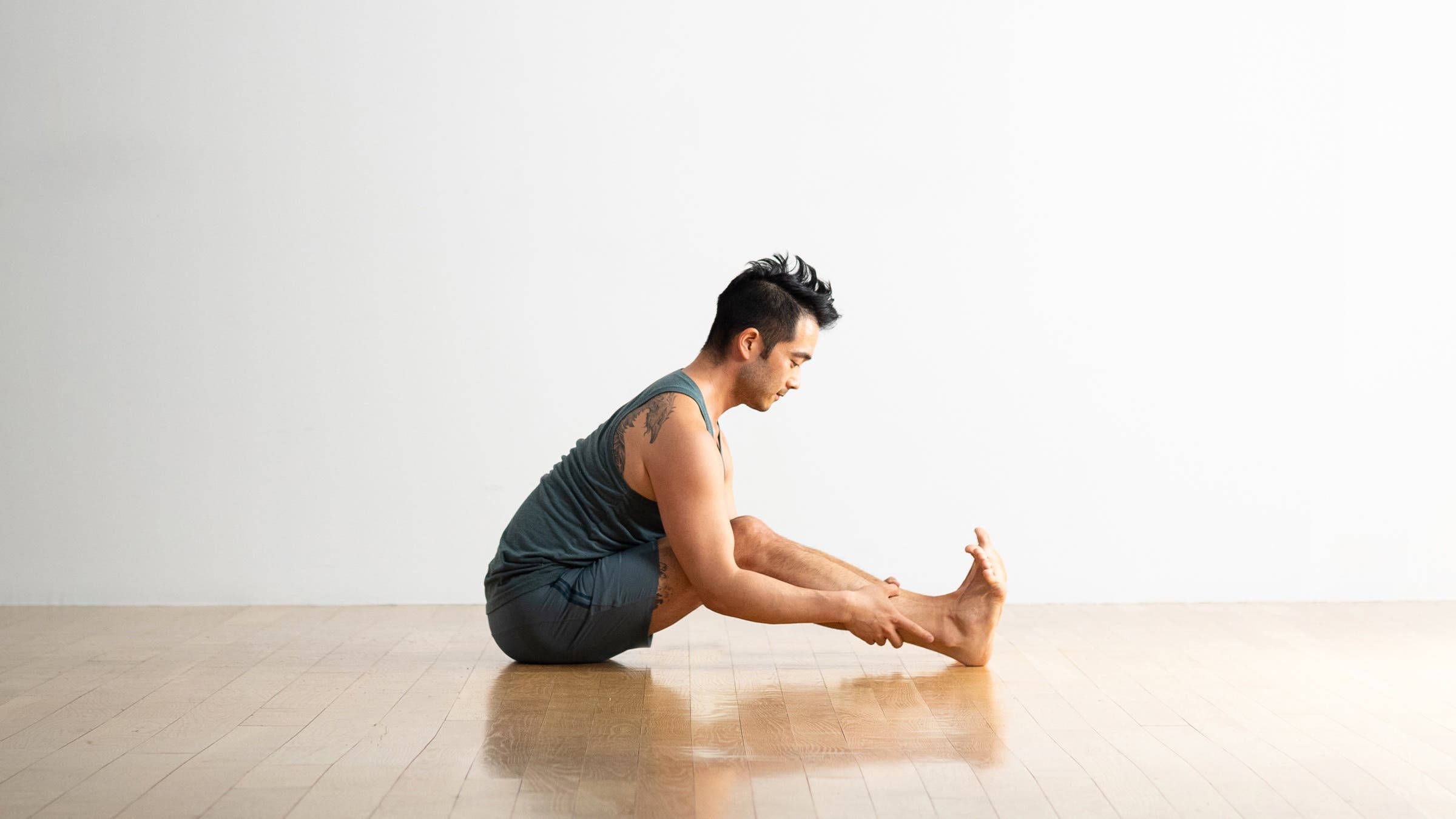
4. Bend your knees
When folding forward while standing, bend your knees and tilt your pubic bone forward toward the floor. Maybe you’ll get one inch closer to your goal. You can also bend your knees during seated stretches, including Seated Forward Fold, by placing a folded blanket or pillow underneath.
5. Don’t forget to breathe
Focus on long, smooth exhalations to relax the nervous system and muscles. Long, slow exhalations as you bend forward can help slow the heart rate and turn the nerves of fight or flight into rest and recovery. This way, the forward fold is less about performance and more about your ability to let go of control and surrender to gravity and time.
When you stop chasing form and start responding to sensations, the pose becomes less about how far you go and more about how honestly you arrive. Over time, this approach will change not only your forward fold, but also your relationship with your body.
#touch #toes #stretches