‘Can spread easily’: Fears deadly bird flu has reached Australian soil

‘Can spread easily’: Fears deadly bird flu has reached Australian soil

5 minutes, 7 seconds Read

Scientists have discovered signs that the deadly H5 bird flu has reached one of Australia’s sub-Antarctic islands, sparking fears it could spread to Australia, with the country’s agriculture minister saying the country is “as best prepared as possible” for a possible outbreak.
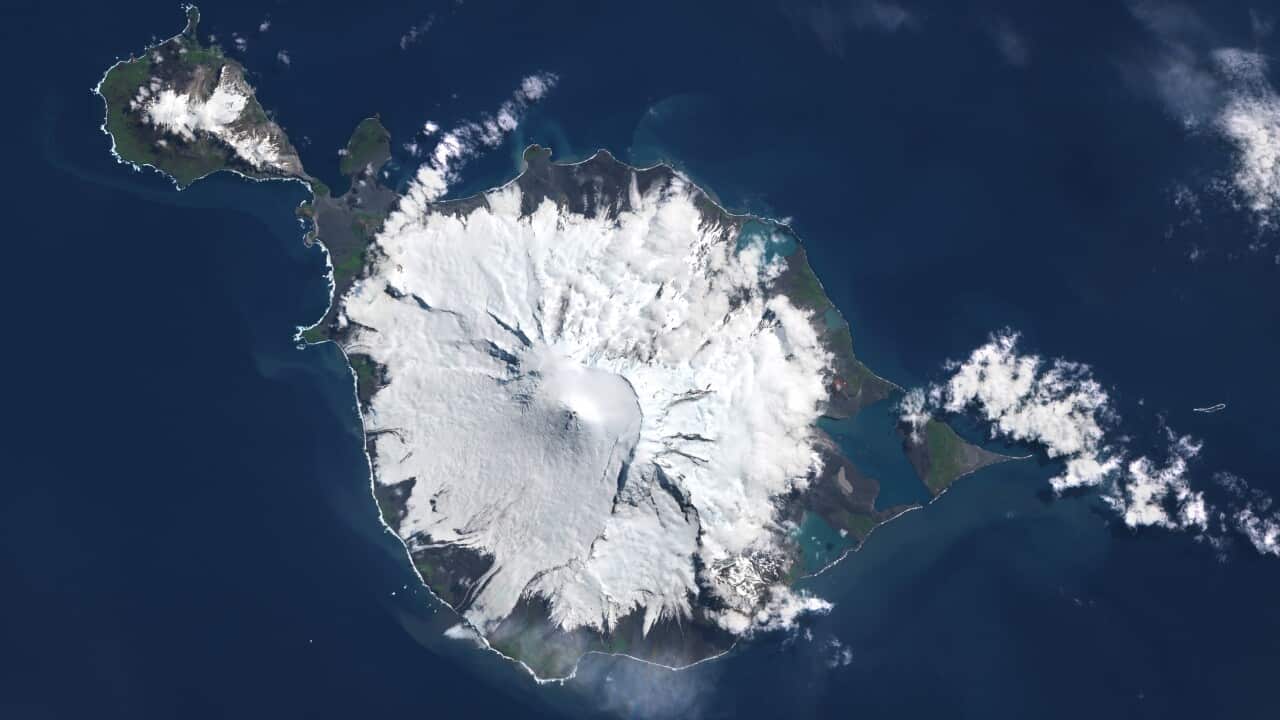
In recent days, scientists from the Australian Antarctic Program have observed unusually high mortality rates among elephant seals on Heard Island – part of Heard Island and McDonald Islands, an Australian outlying territory – located more than 4,000 kilometers southwest of Perth in the Southern Ocean.
“Australian scientists observed signs consistent with H5 avian influenza in wildlife during a management trip to the sub-Antarctic Heard Island,” the Department of Agriculture, Fisheries and Forestry (DAFF) said in a statement on Friday.
“At this stage it is not a confirmed detection. It reinforces the need for Australia to remain focused on preparing for an outbreak.”

The scientists did not observe unusually high mortality among other species on the island, such as penguins and seabirds.

Heard Island is located over 4,000 km southwest of Perth in the Southern Ocean. Source: SBS news

Samples have been collected and will be tested in Australia when researchers return to the country in November.

A confirmed detection would “not substantially increase the risk to Australia”, the DAFF noted.
Australia is the only continent that has not reported an outbreak of the highly contagious H5N1 strain, which was first discovered in 1996.

There have been increasing reports of outbreaks in both wild and domestic animals around the world in recent years, with estimated deaths of millions of farmed and wild birds.
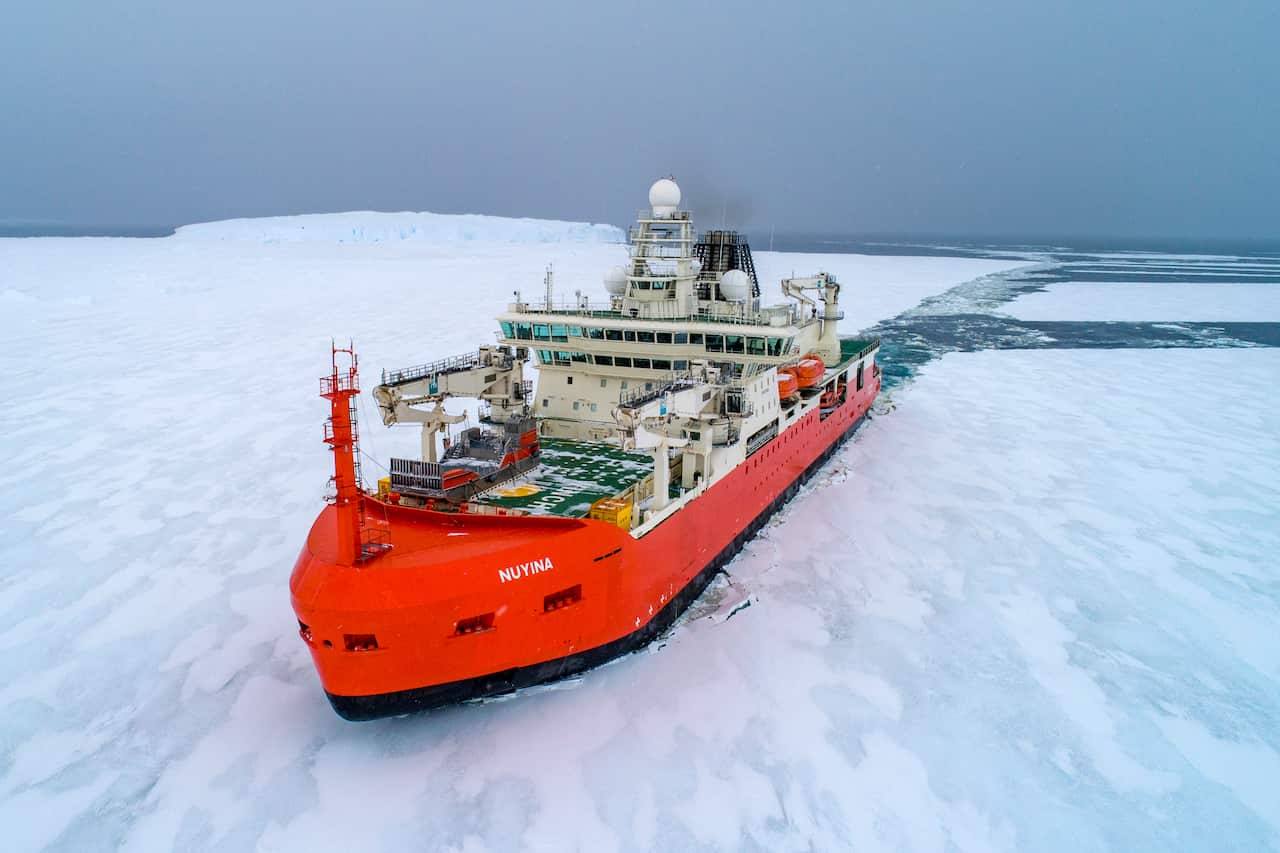
A large, red-colored ship sails through icy waters.

Scientists will take samples from the icebreaker RSV Nuyina for testing in November. Source: MONKEY / Australian Antarctic Division

Julie McInnes, a wildlife ecologist with the Australian Antarctic Division who is on board the RSV Nuyina ship in the Southern Ocean, said one of the objectives of the trip was to look for signs of H5 bird flu in seabirds and seals.

The majority of deaths occurred in elephant seal pups and a small number of adult elephant seals on the island’s southeast coast, she said.

What does this mean for Australia?

Sanjaya Senanayake is an infectious disease specialist and associate professor at the Australian National University’s School of Medicine and Psychology.

“The possible presence of bird flu on Heard Island only reflects that infections can spread across continents quite easily,” he told SBS News.

If the disease has indeed reached the sub-Antarctic island, it could spread to Australia via migratory birds, Senanayake said.
“Birds can fly anywhere – there is always the risk that this could happen, just like in the United States,” he said. “It’s a reminder that this can happen.”

Last year, livestock were added to the list of animals infected with the virus, with the virus spreading across farms in multiple US states.
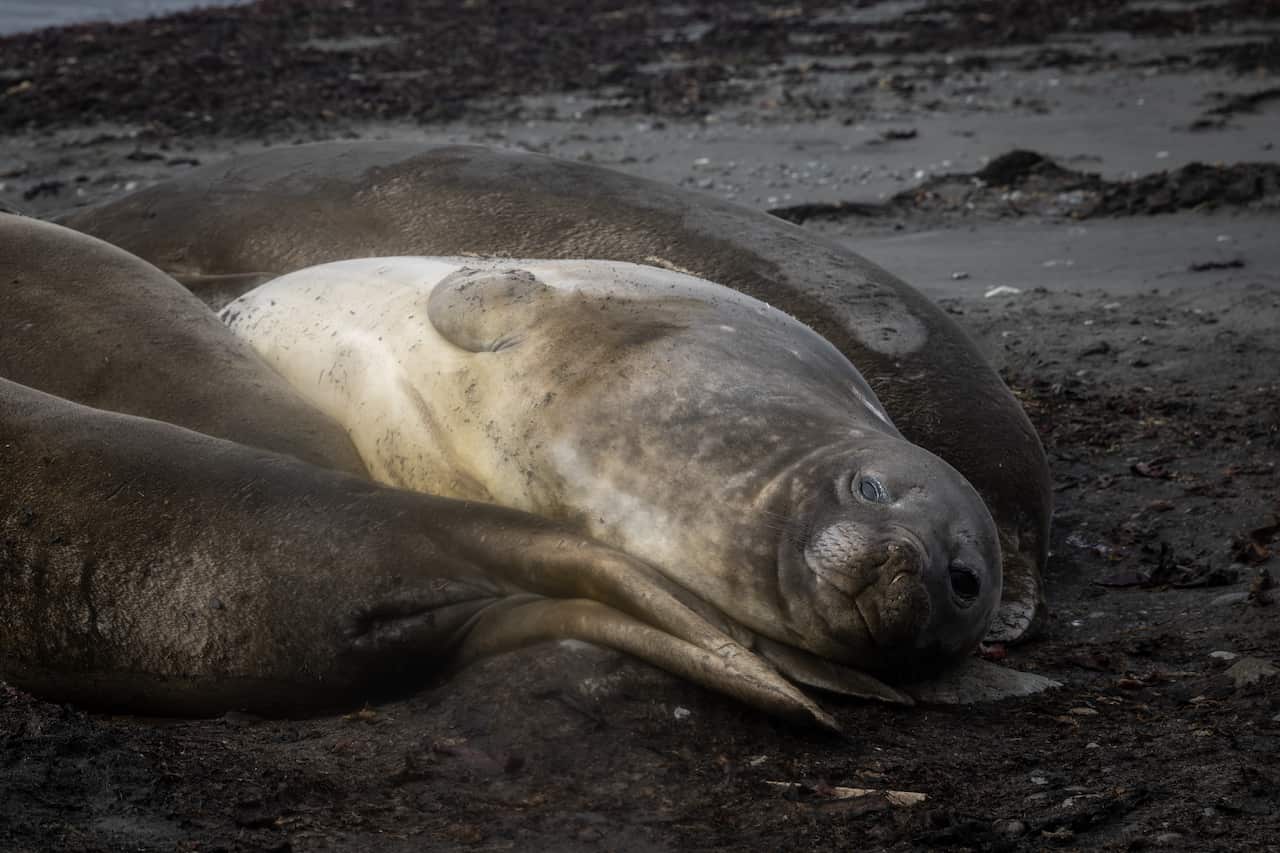
An elephant seal lies on dark sand.

Scientists are concerned that H5N1 has spread among elephant seals on Heard Island. Source: Getty / Anadolu

It is a call for Australia to ensure that “our surveillance remains very vigilant,” Senanayake said.

“If we have even the slightest suspicion that bird populations or cattle populations in Australia are becoming ill, we test them early, quickly and quarantine them if they do,” he said.
Agriculture Minister Julie Collins said at a news conference on Friday that Australia is “as prepared as we can be” for a potential outbreak, but reiterated that it has not been confirmed whether the disease is responsible for the seal deaths on Heard Island.

She encouraged people to visit birdflu.gov.au and report any mass bird deaths, reminding people not to touch the animals.

Caring for wild animals

Jane Younger, senior lecturer in Southern Ocean vertebrate ecology at the University of Tasmania’s Institute for Marine and Antarctic Studies, said a potential outbreak on Heard Island could be devastating for wildlife both in the local ecosystem and in Australia.
“We have seen the virus spread very rapidly across the Southern Ocean over the past six months,” she told SBS News.
“From Heard Island, potential next stops would include Macquarie Island, an Australian sub-Antarctic island, and then possibly Australia itself.”
She noted that scientists had observed “very large-scale mortality” among pinniped species, including seals and sea lions.
“We have Australian fur seals and sub-Antarctic fur seals that live in Australia and both of which can be quite severely affected,” Younger said, noting that in some parts of the world, seal pups have experienced up to 90 percent mortality from the virus during breeding seasons.

“We are also likely to expect impacts on some seabird populations,” she said.

Australia’s agricultural sector has been bracing for an outbreak, with the government investing more than $100 million in preparedness and response capabilities.
For wildlife, Younger said, “The best thing we can do is monitor.”

“If it gets here, we’ll see [an] impact on nature, and very little can be done about that,” Younger said.

Collins said money has been distributed to conservation groups to carry out more monitoring as part of the government’s preparations.

What is the risk to humans?

Although rare, H5 bird flu can also be contracted by humans. Dozens of people, mainly agricultural workers, have been infected in the US since last year, resulting in one death.

According to the World Health Organization, the virus does not appear to infect people or spread easily from person to person.

Senanayake said mutations in H5N1 allowed it to jump to other species such as cows, which was “unexpected”.
“That’s a big adjustment that we have to be vigilant about,” he said. “That’s why we worry that bird flu could be the next human pandemic.”
Currently, it is not easy for people to get infected, and if they do, it could be a mild illness, he explained. However, he noted that the more infections occur in general, the more opportunities there are for mutations.
“That’s why it’s very important, even if this is H5N1 on Heard Island, to examine the samples not only to see if it is H5N1, but also to see if it has also mutated, and what the implications of those mutations are for other animals and people.”

#spread #easily #Fears #deadly #bird #flu #reached #Australian #soil

Similar Posts

Leave a Reply

Your email address will not be published. Required fields are marked *