

Helmut Newton, Nadja Auermann, Blumarine, Monaco 1993 © Helmut Newton Foundation
Among the new openings and programming, art photography will take center stage this fall, with a series of events not to be missed.
Latin American photography under 40 in Rome
Until November 9, the Museum of Rome in Trastevere is organizing an exhibition of the best photographs of the 2025 edition of the
Titled Migrationsthe exhibition examines a global and transversal phenomenon that crosses eras, geographies and identities. The jury selected four projects that give voice to different and complementary perspectives. The winner of the prize, Fabiola Ferrero (Bolivarian Republic of Venezuela), chosen from 116 candidates from 19 Latin American countries, with the project Looking for the olive trees proposes an investigation into one’s Italian family roots and offers a reflection on the reversal of migration flows between Italy and Venezuela. Giovanni De Angelis acts as jury member, exhibitor and mentor of the winner and presents the project BRADYSISMa poetic investigation into the Campi Flegrei and the exodus from an area characterized by telluric movements, symbol of a migration dictated by nature.
Milan meets Man Ray
Man Ray has been the main character in Milan for a few months with the exhibition “Man Ray. Forms of Light”. There will be time until January 11 to visit this retrospective dedicated to the pioneer of visual languages that continue to influence art, photography, design and contemporary culture. Curated by Pierre-Yves Butzbach and Robert Rocca, the exhibition highlights three hundred works, including vintage photographs, drawings, lithographs, objects and documents from important public and private collections.
The artist’s creative likeness is told through self-portraits, portraits of intellectual friends and of the European and American cultural environments between the two wars, and also the female figure, embodied in his muses, but also nudes, treated as abstract forms, symbolic fragments and compositions of light. There is no shortage of X-rays and solarizations, which testifies to his ceaseless technical and poetic research.
Woman with hat between hedges, Parc de Sceaux, France, 2004 © Rodney Smith
Italian premiere of Rodney Smith in Rovigo
With his ‘ethereal and ecstatic’ images, as curator Anne Morin defines them, New York photographer Rodney Smith arrives in Italy for the first time with a monographic exhibition at Palazzo Roverella, where more than a hundred works are on display. Until February 1 the path curated by Anne Morin, the photographer presents iconic black and white images that combine portrait and landscape, bringing to life enchanted and visionary worlds full of subtle contradictions and surprises. Most of the works on display are in black and white, reflecting that Smith only began working in color in 2002.
Mario Giacomelli in Perugia
It’s called Mario Giacomelli. Red poppiesand is curated by Alessandro Sarteanesi, the exhibition at the National Gallery of Umbria in Perugia until April 6. In the CAMERA OSCURA space, dedicated to photography, within the Perugian Museum, the project pays tribute to one of the absolute protagonists of photography of the second half of the twentieth century, a hundred years after his birth. A group of never-exhibited works by the artist, the subject of which is the Umbrian landscape and characterized by an almost ‘pictorial’ use of color, dialogues with some photographs that delve deeper into the artistic relationship and the human relationship that connected Mario Giacomelli with Alberto Burri.
The core of the exhibition is formed by five unpublished photographs, taken in the 1960s on the plateau of Colfiorito and Castelluccio di Norcia. There are also two shots of Giacomelli’s most iconic subject, the famous “Pretini” with a carousel, also present in the exhibition in a color version, exhibited for the first time in Perugia.
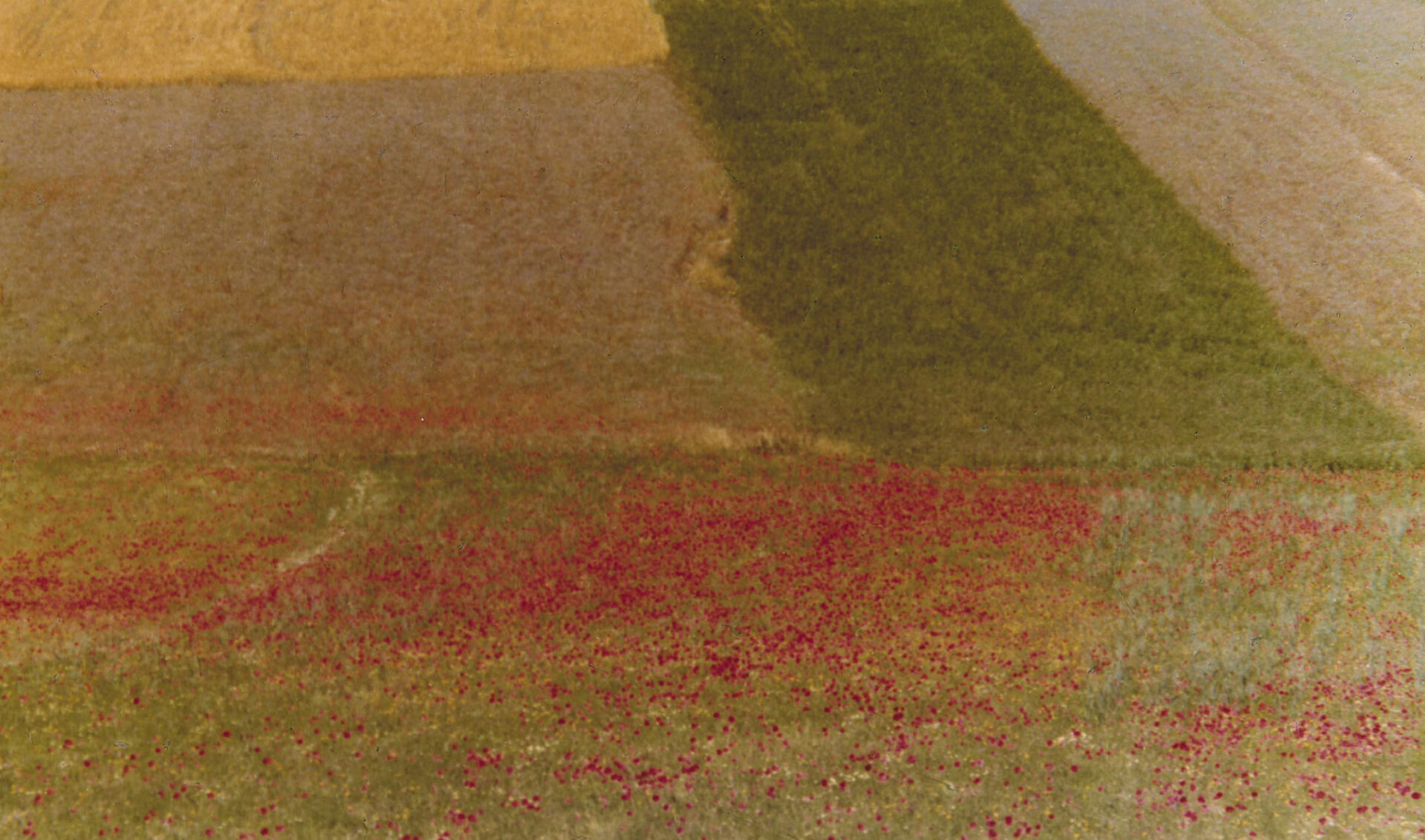
Mario Giacomelli, Red Poppies, 1970, C-print, Fondazione Palazzo Albizzini Burri Collection, Città di Castello
Caraglio Helmut Newton in 100 shots
Specially designed for Il Filatoio di Caraglio (Cuneo), an ancient seventeenth-century silk factory that is among the most important in Europe, today a cultural center and home to the Piedmont Silk Factory Museum, the exhibition “Helmut Newton. I’m in trouble” makes an appointment from October 23 to March 1.
More than 100 photographs, including some unpublished ones, the result of prestigious collaborations with internationally renowned brands, such as Yves Saint Laurent, Ca’ del Bosco and Lavazza, celebrate one of the most famous fashion photographers in the world and return the daring eye of an author capable of creating dreamy, ambiguous and provocative scenarios.
Matthias Harder, director of the Helmut Newton Foundation in Berlin, and curator of the exhibition, has also selected a selection of images dedicated to models, from Monica Bellucci to Carla Bruni. The route allows you to follow Newton’s evolution and success on the international stage.
In Saluzzo, fashion according to Ferdinando Scianna
We remain in the province of Cuneo where, in Saluzzo, the ancient fortress of Castile, now a museum space and place of the contemporary, welcomes from October 24 to March 1 Solo show by Ferdinando Scianna. For the first time, one of the lesser-known chapters of Scianna’s career is placed under the lens of curator Denis Curti, artistic director of Le Stanze della Fotografia in Venice: fashion. Titled “Fashion, life”the exhibition examines this sector, an area that the author addresses with his photojournalistic language through a more human story.
Among the more than ninety photographs taken between the end of the eighties and the beginning of the following decade for some of the most important magazines in the world, such as ‘Vogue’, ‘Vanity Fair’ and ‘Stern’, the campaign for Dolce&Gabbana with the model Marpessa, set in the villages of Sicily, does not go unnoticed. Fashion photography becomes a visual story, where the link between image, truth and culture remains intact.
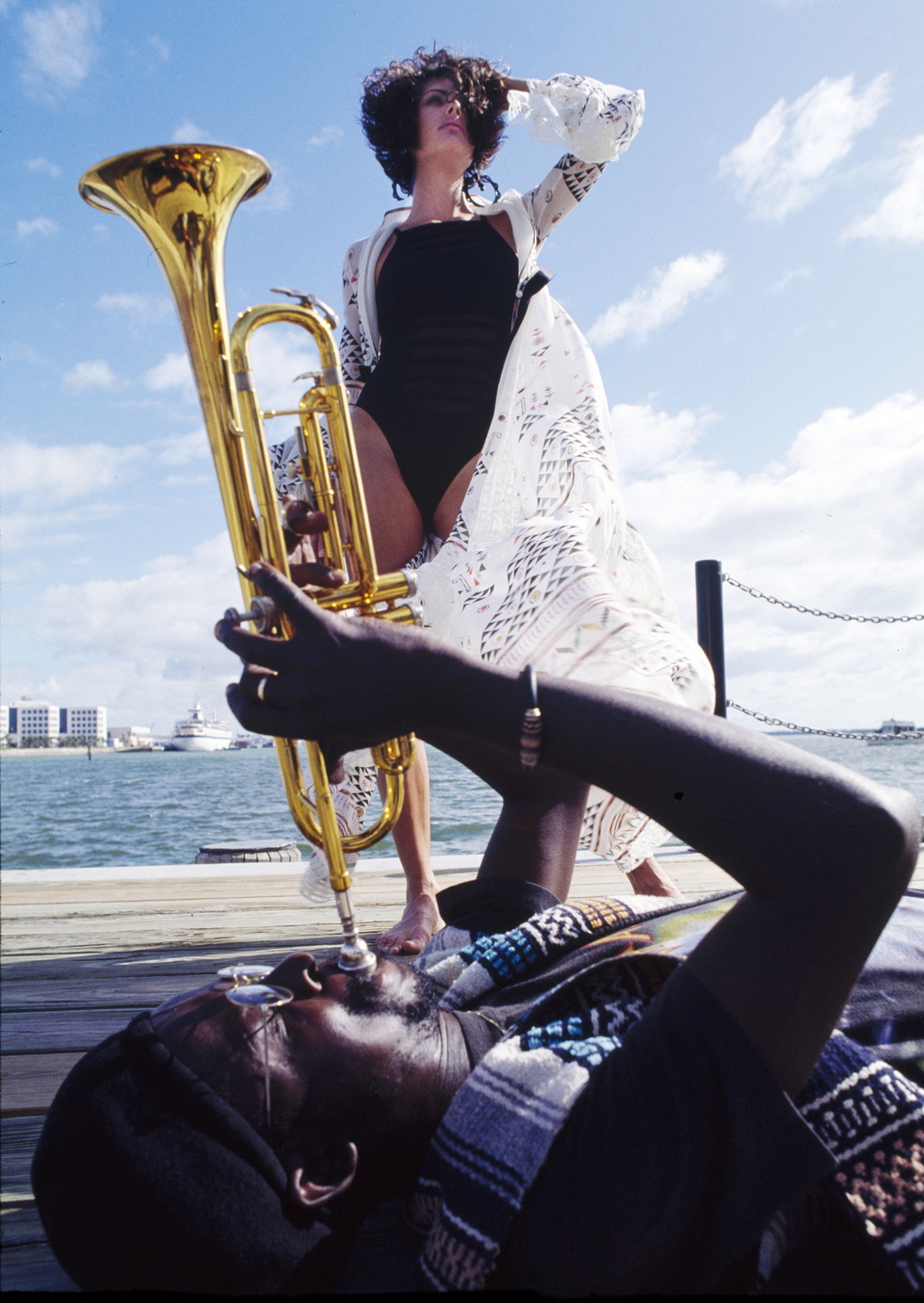
Ferdinando Scianna, Dianne Lynn, Miami, USA, 1992 © Ferdinando Scianna
Antonio Beato. Travel photography main character in Venice
Almost two hundred years after the birth of Antonio Beato, the Fortuny Museum in Venice is dedicating an exhibition to one of the most important protagonists of nineteenth-century photography. From October 15 to January 12en route Antonio Beato. Return to Venice the public will be able to follow the journey of the Venetian photographer through the East and the Mediterranean. His work is in dialogue with the work of other authors who described the same places in the second half of the 19th century and up to the present day. In Mariano Fortuny’s home studio, a space where art, travel and visual experimentation intertwine, Antonio Beato, one of the first European photographers to settle permanently in the Middle East, brings to life the landscapes, architecture and archaeological sites of Egypt, until then semi-unknown in the West. The visitor crosses the Mediterranean Sea and then enters the battle scenes in Crimea and India and again into the Egyptian years, from 1860 to 1905. The fourth and final part, After Beatoproposes a reflection on the transformations of the disciplinary status of photography, opening a dialogue with contemporary authors working in Egypt such as Anthony Hamboussi, Paul Geday, Denis Dailleux and Bryony Dunne.
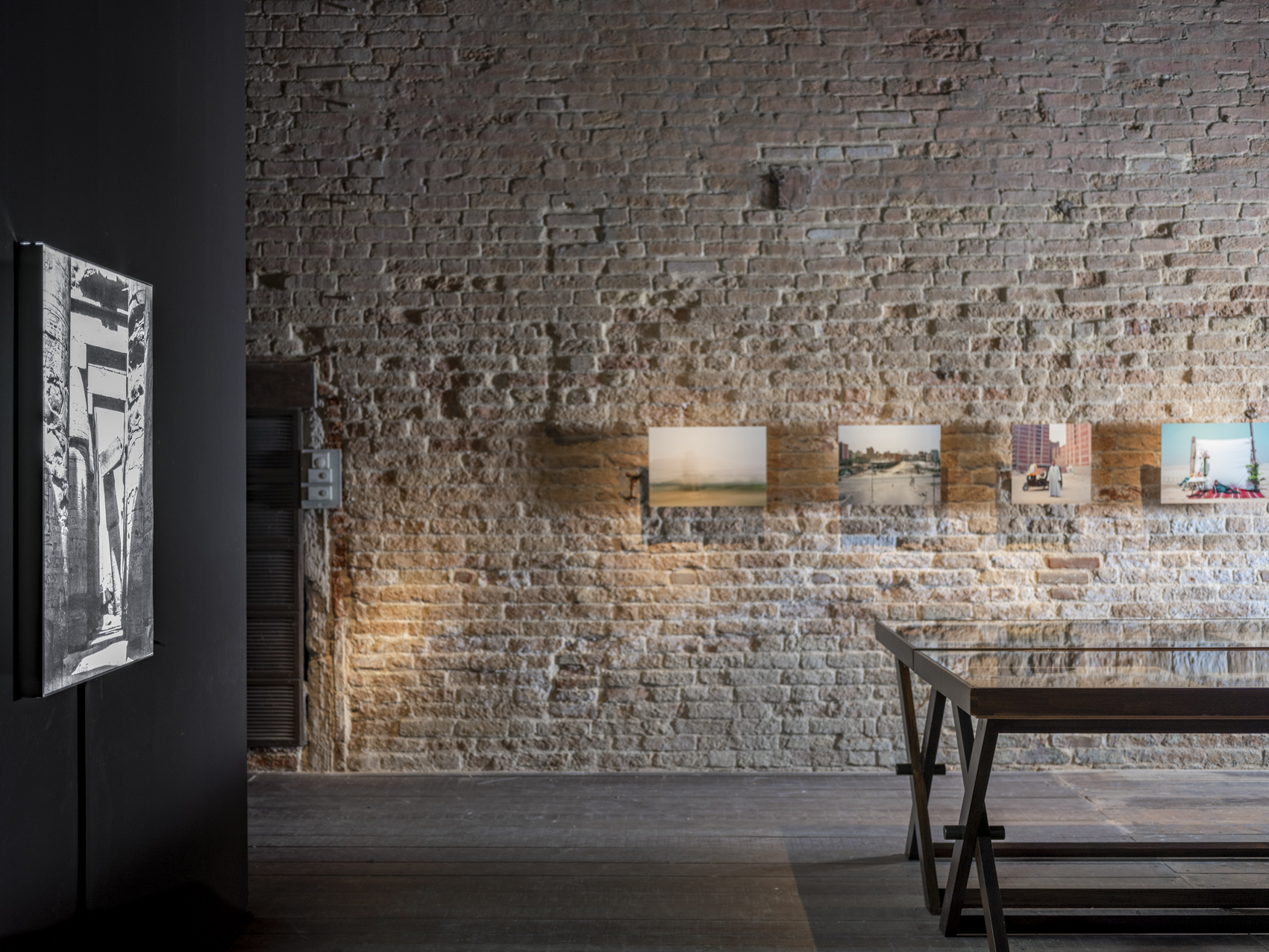
Antonio Beato, Installation | Sergio Campione
Margaret Bourke-White’s photographs in Reggio Emilia
We move to Reggio Emilia where the Palazzo Magnani Foundation presents the exhibition Margaret Bourke White. The opera 1930-1960. From October 25 to February 8 the route curated by Monica Poggi and created in collaboration with CAMERA – Italian Center for Photography, will enter into a dialogue with the frescoed rooms of the cloisters of San Pietro. More than 150 photographs will depict the work, life and human experience of the American photographer, a tireless witness of her times and a pioneer capable of overcoming gender barriers and boundaries. His iconic portraits of Stalin and Gandhi, the reports on American industry, the reports made during the Second World War in the Soviet Union, North Africa, Italy and Germany, where he documented the entry of American troops into Berlin and the horrors of the concentration camps, embody just some of the transformations of the world that characterized the core of Bourke-White’s research. Forced to give up photography due to Parkinson’s disease, the photographer devoted herself to her autobiography from 1957, Portrait of myselfpublished in 1963.
#Autumn #exhibitions #events #missed #photography #Arte.it