

Let’s see THE RULES
I recently had a conversation with Lisa Lazarus, the CEO of STOCK in which she basically talked about how her organization was toothless in enforcing the suspension of Paco Lopez while he was driving in Louisiana. Louisiana and HISA are stuck in court and nothing Paco does there can be held against him. Essentially, he’s driving while serving his suspension. This reminded me of the Jockey Club’s voluntary register to track retired horses. Toothless. Does anyone think the honor system works in the Sport of Kings? The Jockey Club’s strictest penalties apply if one owes money. Does anyone see a problem with that? Toothless rules have no bite and are as serious as a shark without teeth. You might as well be a goldfish.
Spare me all the words about why this or that isn’t possible. Action speaks louder than words. Make things happen.
To the Board of the Jockey Club,
The American Stud Book has been the basis of the thoroughbred breed since 1894. In an era of federal oversight and increased public scrutiny over welfare, doping and the slaughter pipeline; the current “Key Rules and Requirements” contain significant flaws that allow bad actors to avoid responsibility while the horse pays the price.
To preserve the integrity of the sport and the breed, we call for the following immediate reforms to close the loopholes in the Jockey Club Rule Book.
I. A new definition of ‘good standing’ outside the ledger
The loophole: Currently, Rule 21(G) defines “good standing” almost exclusively by financial compliance, stating that an owner or breeder is not in good standing if he “owes outstanding fees to The Jockey Club.”.
The reform: “Good reputation” should be extended to ethics and welfare compliance.
- Any person under a HISA “Provisional Suspension” for a Forbidden substance violation, their registration rights (naming, registration and transfer) must be provisionally frozen.
- Registry rights should be a reward for integrity, not just a receipt for paid invoices.
II. Termination of delay at “Final Determination”.
The loophole: Rule 19(A)4 requires that the denial of privileges for cruelty or drug violations only takes place after a “final decision by a court… or an official racing body”. This allows individuals to continue registering foals for years while lawsuits drag through the system.
The reform: Implement a “Registry Stay” for serious violations.
- If an individual receives a “Rule 19 Notification” based on reasonable evidence of serious abuse or systemic dopingThe Jockey Club should have the authority to immediately suspend registration actions, placing the onus on the offender to reinstate his or her status. Racing is a privilege and not a right, act accordingly.
III. Transforming the “Retired from Racing” Mirage into reality
The loophole: Line 18 still offers the stamp ‘Sold as retired from racing’ this is completely voluntary and does not provide tracking once the certificate is returned to the buyer. This lack of oversight is a major contributor to the slaughter pipeline.
The reform: mandatory lifelong traceability.
- Complete the ‘Sold as Retired from Racing’ process mandatory for all horses leaving the trackrather than an optional wish of the owner.
- Integrate a mandatory ‘Transfer of Ownership’ report (Rule 7) for any change of hands, including non-racing sales, to ensure no thoroughbred ‘goes off the grid’ into an untraceable slaughter channel. The honor system works about as effectively as a sign in the club bathroom in the 80s.
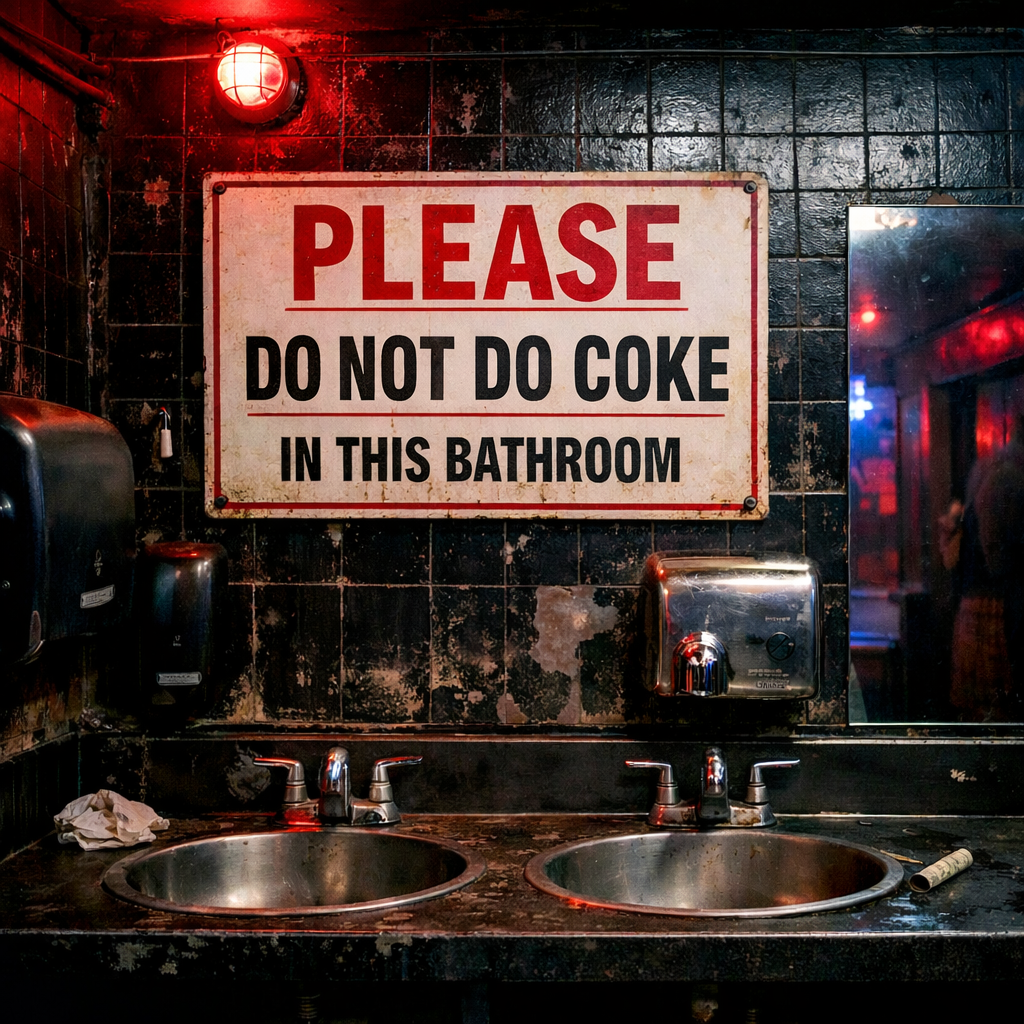
IV. Mandatory financing for aftercare
The loophole: Although fees for genetic typing, naming and late registration are clearly defined (Rules 4, 6, 11), there is no mandatory national charge dedicated to the lifelong aftercare of the horses from which the Registry benefits.
The reform: the integrity levy.
Implement a mandatory % “Welfare Assessment” on all stallion reports (Rule 14) and foal registrations (Rule 2).
These funds should be restricted specifically for the Thoroughbred Aftercare Alliance and for emergency response funds for horses identified in kill pens or high-risk environments. Raising awareness brings change and eliminates censorship requirements for accreditation grants.
The ‘safe harbor’ blind spot: Puerto Rico pipeline restriction
The problem: The recent tragedy at the Camarero racetrack, in which several thoroughbred racehorses died and dozens are still affected by the off-label use of a contaminated drug called ‘Hycoat’, exposes a huge wealth gap. While the Puerto Rico Gaming Commission is reportedly offering shipping subsidies of $1,000 to $1,500 per horse up to encourage more imports to fill their racing cards, major mainland tracks like Gulfstream Park have taken a hard line, warning that any licensee who ships a horse to Puerto Rico will no longer be welcome at 1/ST facilities.
However, the Jockey Club remains silent. Under current rules, TJC effectively treats the shipping of a horse to Puerto Rico as merely an administrative transfer and not as a high-risk welfare event.
The loophole in the rule book: rule 10 and rule 19
Export vs Domestic Transfer: Below Rule 10TJC sets strict requirements for the export of horses outside the United States, Puerto Rico or Canada. Because Puerto Rico is classified as domestic within the registry’s geography, horses can be shipped there without the “Certificate of Export” or the strict identity and health surveillance required for international shipping.
The failure of ‘Wait for a conviction’: Rule 19(A)4 allows TJC to deny privileges only after a final finding of cruelty by a court. By the time a “final decision” is made on the Camarero deaths, dozens of horses will already have been shipped to the same dangerous environment under current commission subsidies.
The solution: mandatory welfare sanctions for high-risk shipping
Destination-based registration bans: TJC should exercise its authority Rule 1(C)– allowing it to require “further evidence and guarantees” for registration – to introduce a temporary ban on registration fees any person shipping a horse to a jurisdiction currently under a “Welfare Alert”.
Emergency suspension of registry rights: TJC needs to amend Article 19 to make this possible immediate suspension of privileges for every individual who sends horses to jurisdictions where systemic welfare failures (such as the recent deaths from contaminated injections) have been documented by credible industry reports.
Mutual blacklist: TJC should officially adopt and enforce major racing associations’ “no welcome” lists. If a trainer is barred from Gulfstream or Santa Anita for shipment to Puerto Rico, the ability to register or name a horse with TJC should be automatically frozen until the horse is safely registered.
The path forward The Jockey Club has the “sole and exclusive ownership” of all registration materials and the “sole discretion” to change these rules. It’s time to use that authority to protect the horse as fiercely as we protect the pedigree. The “Paper Shield” is no longer sufficient. We need a fortress of integrity.
#open #letter #Jockey #Club