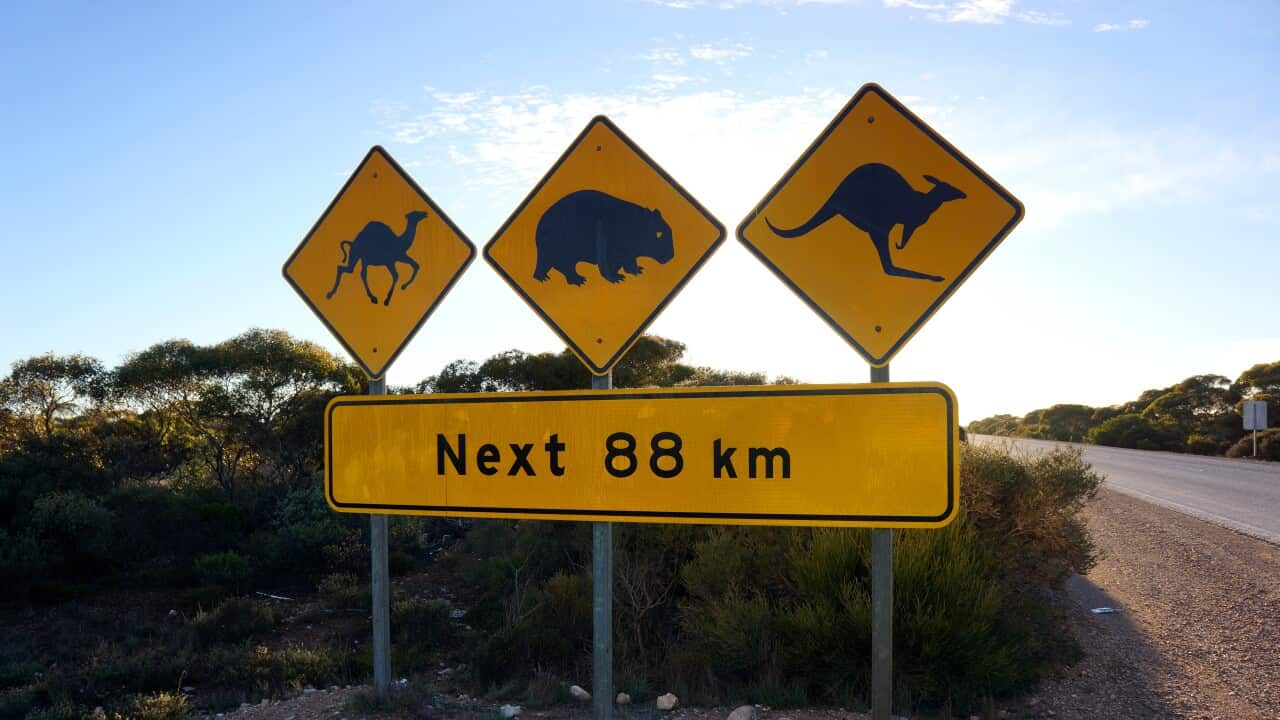
A ‘large’ number of wild animals die on our roads. Experts say the protection is far inadequate

A ‘large’ number of wild animals die on our roads. Experts say the protection is far inadequate

3 minutes, 33 seconds Read

With millions of native animals killed on Australia’s roads every year, researchers warn that governments are not doing enough to monitor and implement road safety measures that could protect vulnerable wildlife.
There are a range of interventions including tunnels, rope and land bridges, exclusion fences and other structures that ensure wildlife can move safely across roads.
But new research from Griffith University has identified ‘systemic’ gaps in the way these measures are being implemented across the country.
Wildlife-sensitive road design standards are largely optional, the researchers warn, and without a national framework with clear rules, their deployment is likely to remain “patchy and insufficiently supported by policy”.

Road accidents involving wild animals take a huge toll on native animals, but also on the people involved – including drivers, rescuers and veterinary staff.

Wildlife Victoria has reported a 288 per cent increase in reports of wildlife vehicle collisions over the past decade. The organization says it has helped 311 species affected by vehicles, with kangaroos accounting for 50 to 60 percent of cases.
The Royal Automobile Club of Victoria (RACV) said it received almost 7,000 claims involving animal collisions last year.
Some estimates put the annual number of wild animals in Australia as high as 10 million.

“That’s an insanely large number,” the study’s lead author, road ecologist Christopher Johnson, told AAP.

Nature conservation treated as ‘nice-to-haves’

Queensland and Victoria are the only states to have conservation guidelines embedded in their road designs, although these standards are voluntary.
In an analysis of Queensland’s Fauna Sensitive Road Design manual, the study identified 99 statements that used the terminology “should”, while only 64 statements used “must”.

Victoria’s guidelines also favored voluntary language over enforceable rules.

Kangaroos and larger animals are the most visible victims of car accidents, but many smaller animals also die and usually go unreported. Source: Getty / John Moore

The study called for biodiversity to be placed at the heart of infrastructure planning, and not left open to interpretation.

“If we treated building a nature bridge with the same approach we would a pedestrian bridge, we would get much better results,” Johnson said.

“Nice-to-haves don’t always make it to the end of the project.”

What are some ways to protect wildlife around roads?

Kylie Soanes is a research fellow in urban biodiversity at the University of Melbourne who has conducted extensive research into road ecology and wildlife crossings.

She told SBS News that it’s all about understanding the impact of a specific stretch of road on local ecosystems.

“We’re thinking more ecologically about what’s in the whole area and what’s likely to come into contact with the road and what the reaction will be when the road gets there, rather than just reacting to where someone might have hit a kangaroo with their car,” she said.
Fences, if properly designed, can be “very effective” in preventing wildlife deaths on roads, she said.
However, it can block important routes for animals, making it difficult for them to reach certain areas where they can breed or feed.

That’s when wildlife crossing structures can be useful tools to help animals cross safely.

“There may be a pond on one side of the road and a forest on the other, so animals regularly cross to gain access,” she said.
Animals that are attracted to roads and don’t have the skills to avoid cars are particularly prone to accidents, she said.
“Snakes and lizards that come out warm themselves on nice hot bitumen and then can’t get away in time,” she said.

“Turtles, things that move relatively slowly on the ground, are often at high risk.”

The reality of the death toll is ‘probably worse’ than estimates

There is no national database that tracks the extent of wildlife fatalities.
“We are poor at capturing this information,” Soanes said, noting that Australia faces challenges due to its size compared to some other countries, which do have databases.

Estimates are often extrapolated based on figures provided by insurance companies or wildlife rescue organizations.

That means they are likely “an underestimate, if you think beyond kangaroos, koalas and wombats, but also include turtles, lizards and frogs… and all the things we encounter that we don’t see and that we don’t record,” Soanes said.
“It’s probably worse, unfortunately.”
– With additional reporting by the Australian Associated Press.

#large #number #wild #animals #die #roads #Experts #protection #inadequate

Similar Posts

Leave a Reply

Your email address will not be published. Required fields are marked *