

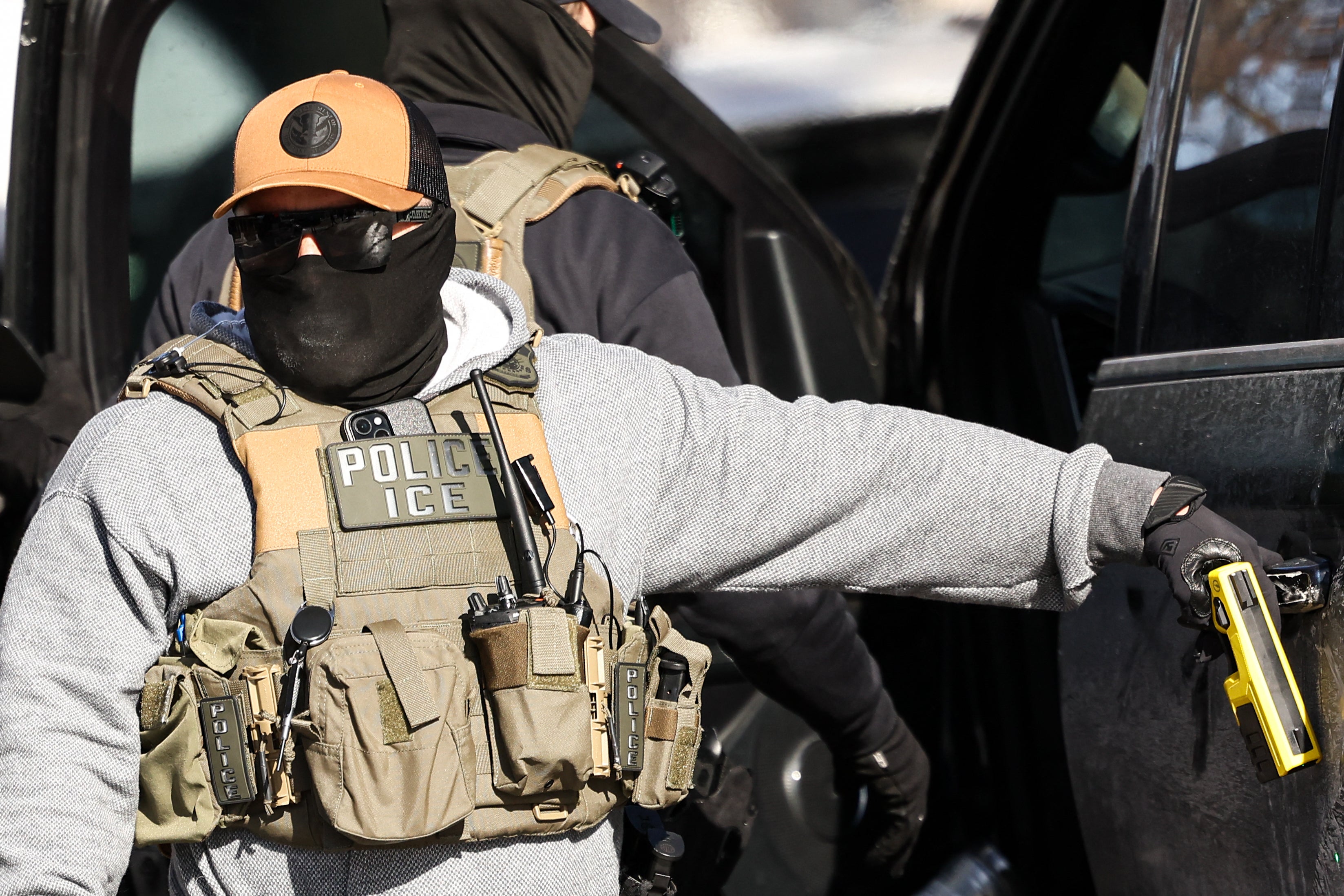
Local law enforcement agencies, replacing Immigration and Customs Enforcement, have exploded during Donald Trump’s second administration, with as many as 15,800 police and sheriff’s deputies working with federal agents to arrest and jail immigrants, according to a new analysis.
More than 760 local law enforcement agencies have cooperated with ICE since Trump took office, according to Trump’s analysis FWD.USan impartial policy organization.
There are now nearly 1,200 local agencies working with ICE, up from 135 during Joe Biden’s administration and 150 at the end of Trump’s first term, the group found.
That dramatic expansion of the 287(g) “task force” program, which uses officers to stop and arrest people they believe are in the country illegally, is fueled by at least $137 million in new federal funding for local police departments.
At that level of participation, ICE could inject more than $3 billion into local police agencies by 2027 to replace nearly 30,000 officers nationwide, according to the analysis.
“This would be by far the largest infusion of federal funding into local law enforcement since the COPS grants of the 1990s, which increased low-level arrests while not having a significant impact on crime,” said Felicity Rose, vice president of criminal justice research and policy at FWD.us.
The 287(g) model has similarly “caused enormous harm to communities while failing to reduce crime,” she added. “This program is a convergence of two bad ideas that should be left in the past where they belong.”
Barack Obama’s administration abandoned the “task force” model in 2012 following allegations in Maricopa County, Arizona, where infamous former sheriff Joe Arpaio was accused of racially profiling and arresting Latino residents because of their legal status.
A federal judge ruled in 2013 that he had violated the Fourth and Fourteenth Amendment rights of inmates. He was later convicted of criminal contempt for defying a judge’s order to stop detaining immigrants because they lacked legal status, which his deputies continued for 18 months.
“More than a decade ago, we saw how replacing local law enforcement agencies with immigration enforcement could lead to disaster under Sheriff Arpaio and others,” said Todd Schulte, president of FWD.us.
“Federal incentives to target and profile will harm immigrant communities and have spillover effects on other communities already targeted by local law enforcement, impacting immigrants and citizens alike,” he added.

The Trump administration restarted the program in early 2025, with new funding and incentives for state and local police, and with a massive infusion of taxpayer dollars through the president’s One Big Beautiful Bill Act, making ICE the best-funded law enforcement agency, with a budget larger than that of most countries’ militaries.
ICE has promised to give law enforcement agencies $7,500 for equipment per trained officer, as well as $100,000 for new vehicles and overtime up to 25 percent of an officer’s salary.
Federal funding also includes “performance bonuses” tied to immigration arrests, giving agencies financial incentives to arrest people suspected of living in the country illegally.
State and local law enforcement agencies are expected to receive up to $2 billion this year under Trump’s sweeping domestic spending bill, FWD.us found.
“This amount would dwarf all other federal funding for local law enforcement,” the report said.
At least 342 law enforcement agencies in Florida have 287(g) agreements, the most of any state, the report found.
In Texas, a state that requires counties with more than 100,000 residents to join the ICE program, law enforcement agencies have signed 296 agreements. Tennessee has 63, Pennsylvania has 58 and Alabama has 52, according to FWD.us.
The expansion of the program “further fuels Trump’s mass deportation agenda by expanding the dragnet that can place people in the pipeline from arrest to deportation,” according to the Immigrant Legal Resource Center.
Government officials routinely promote the program.
“We would like to see state and local law enforcement sign 287(g) agreements to help us remove criminal illegal aliens – partnerships with law enforcement are critical to having the resources we need to apprehend criminal illegal aliens across the country,” Assistant Secretary of Homeland Security Tricia McLaughlin said in a statement.
But many local law enforcement agencies oppose the program, fearing their departments are already stretched too thin and cannot be expected to perform federal duties while responding to other critical incidents.
None of the police departments in the top 10 U.S. cities — including the Texas cities of Dallas, Houston and San Antonio — are signed up as 287(g) partners.
At the same time, the Trump administration is increasingly relying on the country’s vast network of local jails to detain and deport immigrants.
According to research from the Prison Policy Initiative, ICE made an average of as many as 700 arrests per month in local jails.
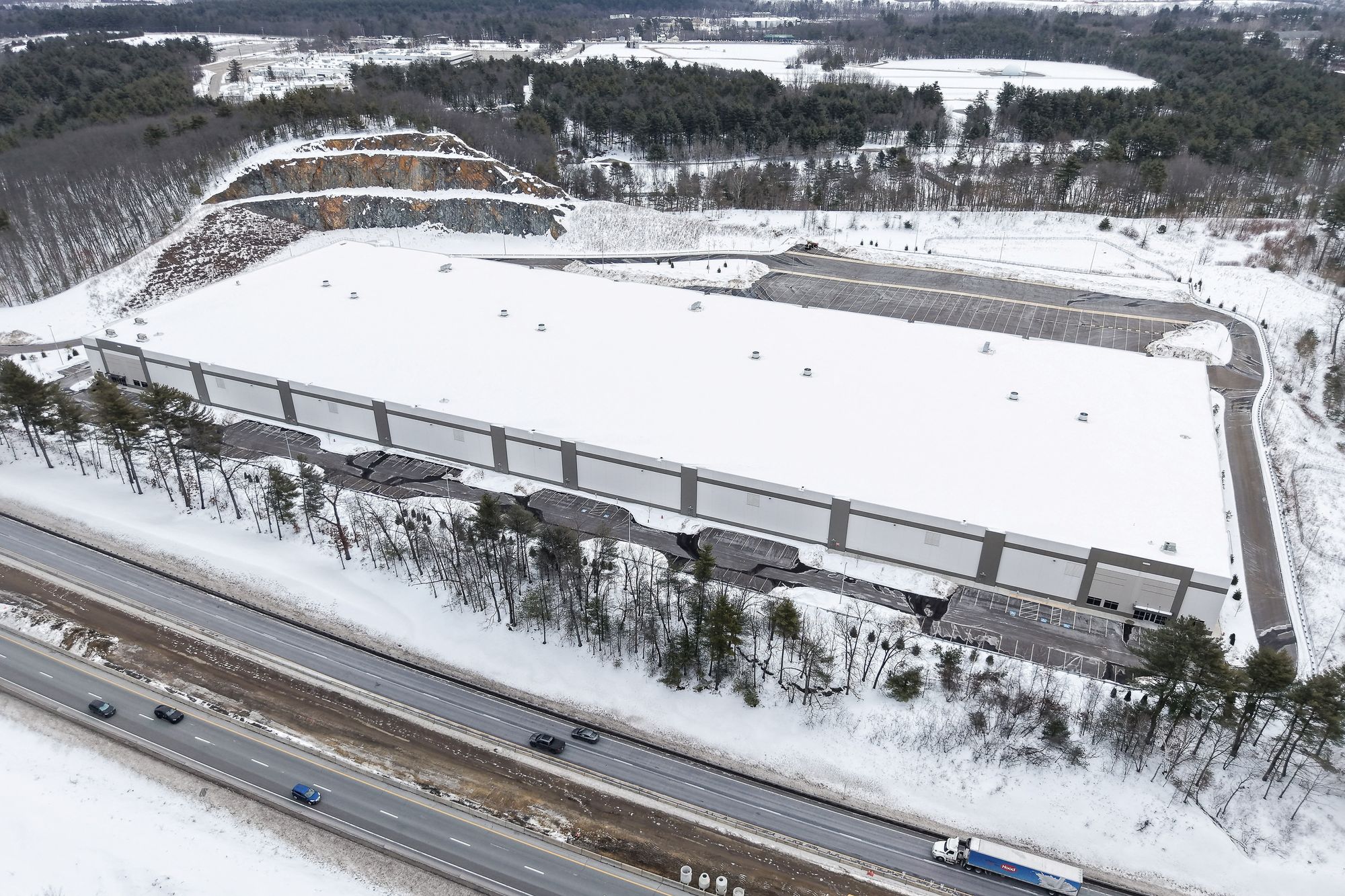
The Trump administration also plans to significantly expand federal immigration detention capacity, with a nearly $40 billion plan to hold tens of thousands of immigrants in renovated warehouses across the country.
ICE expects to buy 16 buildings that it can convert into “processing centers,” where each building could temporarily hold up to 1,500 immigrants before transferring them to larger facilities.
Another eight larger warehouses would hold up to 10,000 people at a time and served as “primary sites” for removal from the country, according to recently published documents.
These facilities add to an already expansive federal immigration detention system of dozens of prisons, largely run by private companies, in a country with one of the highest incarceration rates in the world.
#huge #wave #local #police #supporting #ICE #raids