

They weren’t flashy in the way a mansion or a gated driveway might be, but to anyone paying attention, they looked like upgrades that went beyond the basics. They suggested choice, access and a willingness to spend money on comfort rather than necessity.
What’s striking in retrospect is how many of those once-exclusive features have since made their way into the mainstream.
Some became cheaper to produce. Others were normalized by new construction, changing lifestyles or changing expectations of what a ‘beautiful’ home should encompass. In many cases, they no longer felt special, not because they lost their value, but because they were expected of them.
Looking back at these past status symbols offers a snapshot of how domestic luxury is evolving – and how quickly it can lose its signaling power.
Here are household features that were considered luxuries just 15 years ago, and what their rise says about how homes (and tastes) have changed.
#1 Walk-in closets
Once a clear sign of luxury living, walk-in closets were far from standard in the early 2000s. They suggested excess space and customization.
Today they are common, even in modest new construction projects.
#2 Granite countertops
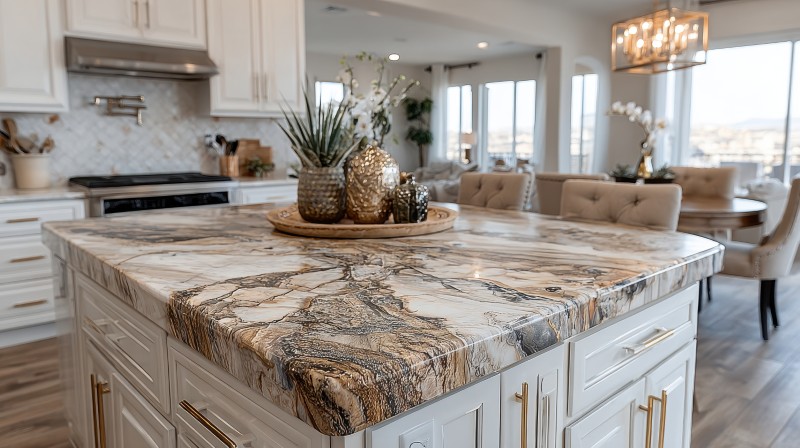
Granite once dominated luxury kitchens, prized for its durability and natural variety. It was expensive, difficult to install and unmistakably ‘upgraded’. Its ubiquity ultimately weakened its prestige.
#3 Double sinks
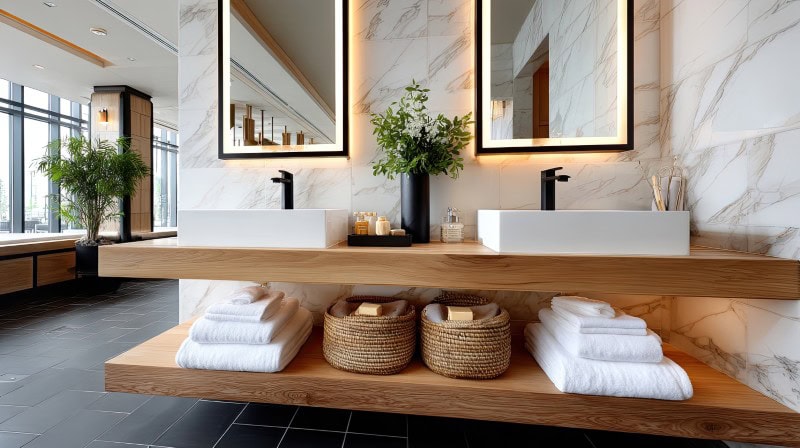
A second sink used to be a splurge associated with larger bathrooms and more expensive homes. Now it is almost adopted in primary bathrooms regardless of price.
#4 Central air conditioning
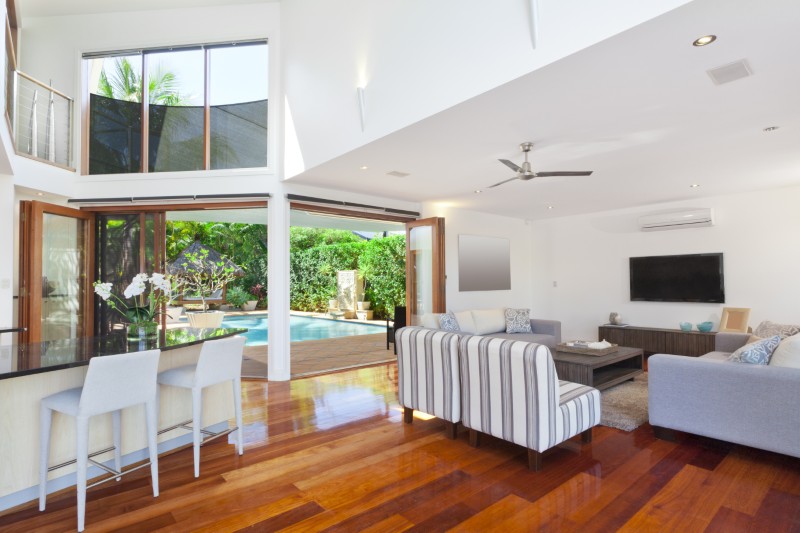
In many parts of the country, central air was once considered a premium amenity rather than a basic expectation.
Today, its absence feels more notable than its presence.
#5 Stainless steel appliances
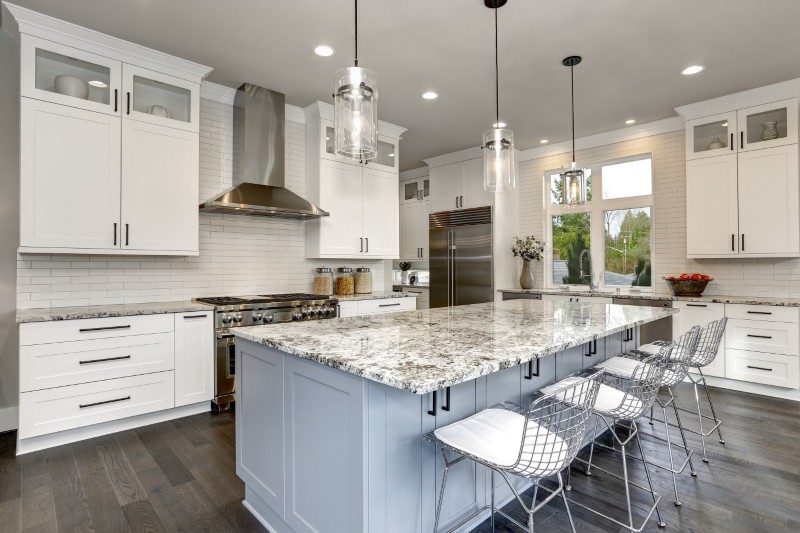
Once shorthand for a chef’s kitchen, stainless steel quickly went from aspirational to standard. What once read professionally now reads neutrally.
#6 Open concept layouts

Tearing down walls was once an expensive, progressive move. Open kitchens flowing into living areas were a sign of modernization and investment.
Over time, the concept became widespread – and in some cases even overused.
#7 Large kitchen islands
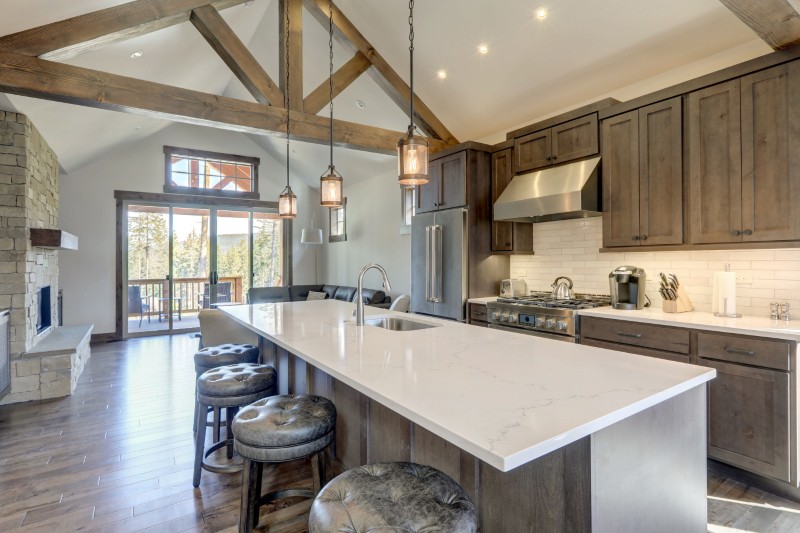
A spacious island used to provide extra square meters and adjusted planning.
Today, kitchen islands are standard, even if they strain the proportions of the room.
#8 Dedicated home offices
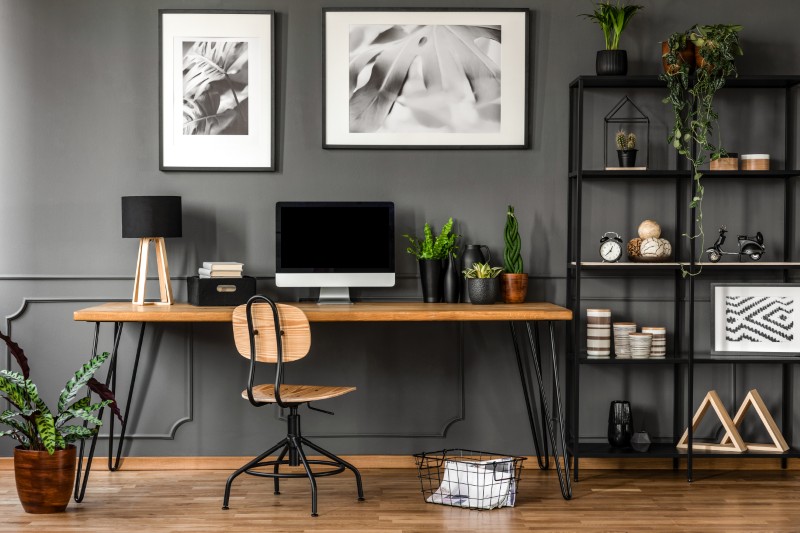
Before remote work became normalized, a home office suggested excessive space and professional privilege.
Now it is often considered a practical necessity.
#9 Heated bathroom floors
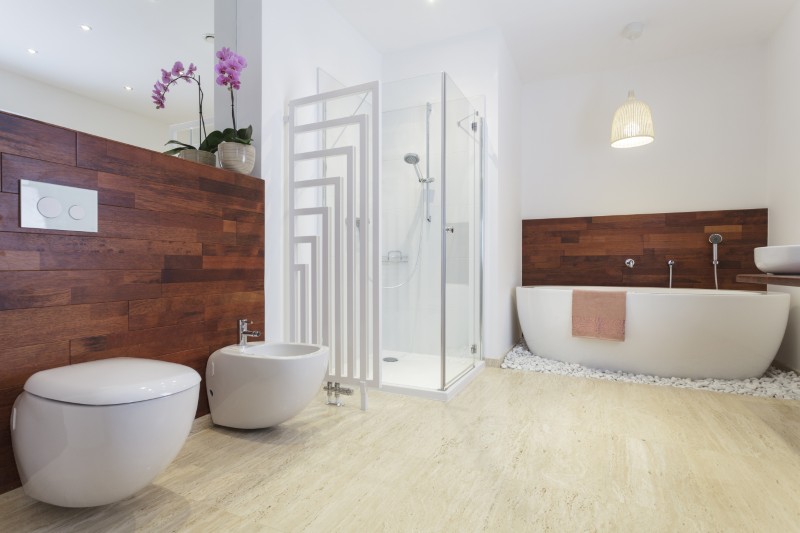
Radiant heat once felt indulgent and distinctly high-end.
As systems became more accessible, the function shifted from luxurious splurge to popular upgrade.
#10 Walk-in showers
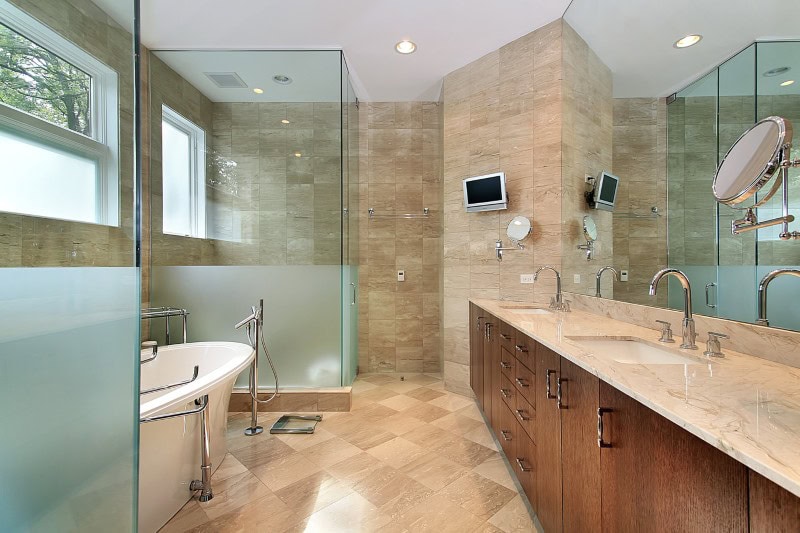
Oversized showers with frameless glass once felt spa-like and exclusive.
They are now more common than bathtubs in many new homes.
#11 Built-in sound systems
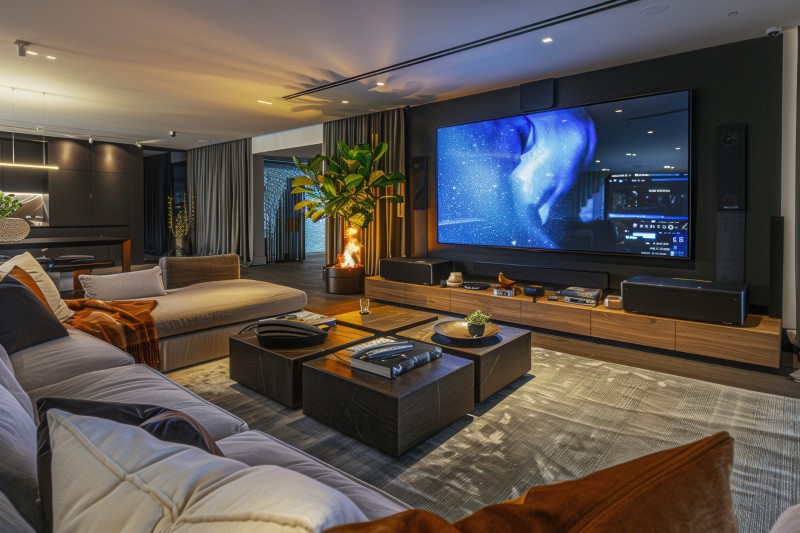
Whole-home audio used to be a sign of serious money and tech investment, more akin to the kind of stuff Bill Gates has in his home.
Today, portable speakers and wireless systems have largely replaced built-in speakers, making whole-home surround sound an easy addition.
#12 Jar fillers
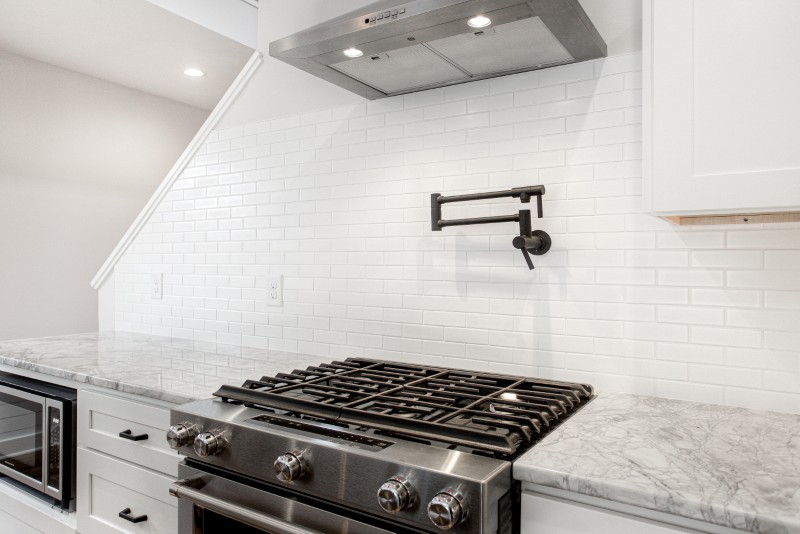
A wall-mounted faucet above the stove was once a chef-level luxury detail. It is now more of a stylistic choice than a status signal – and is often debated due to its practical feasibility.
#13 Smart thermostats

Early smart home technology felt futuristic and expensive, and looked like it belonged in Iron Man’s clifftop mansion. As prices dropped and energy efficiency became a priority, these appliances became widely accepted.
#14 Walk-in closets
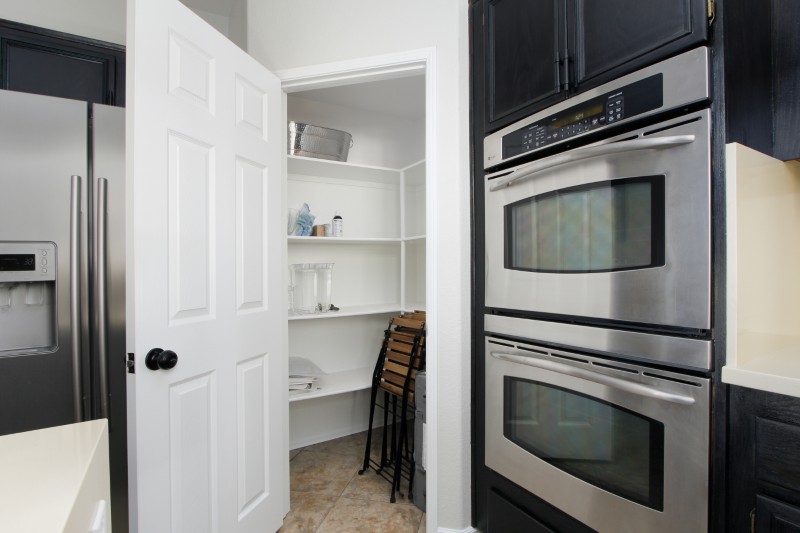
Large, dedicated pantries once suggested a home designed for serious cooking or entertaining. Since then, they have become a common selling point across all price ranges.
#15 Spa style soaking tubs
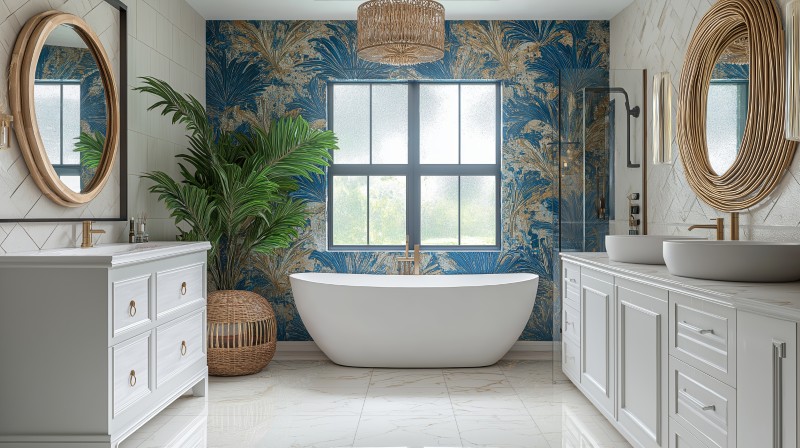
Deep soaking tubs were once reserved for luxury bathrooms and hotel suites.
Their presence today is more about personal preference than prestige.
#16 Laundry rooms with cabinets
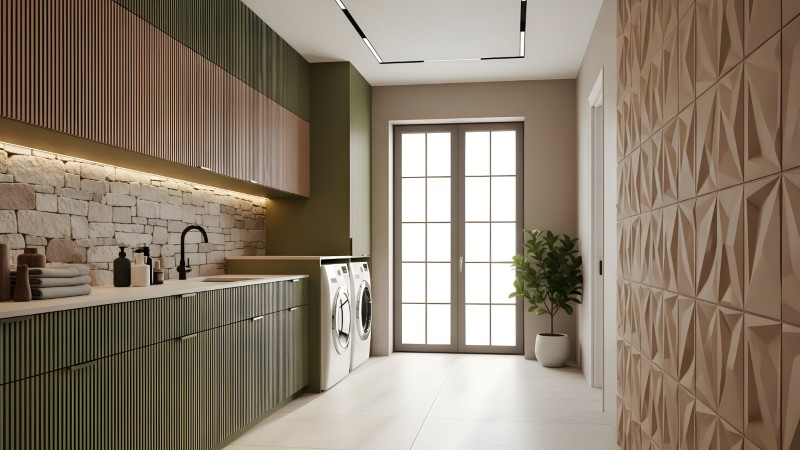
A dedicated laundry room – especially one with a built-in laundry room – used to feel great.
Now it’s a standard expectation in many suburban homes.
#17 Recessed lighting everywhere
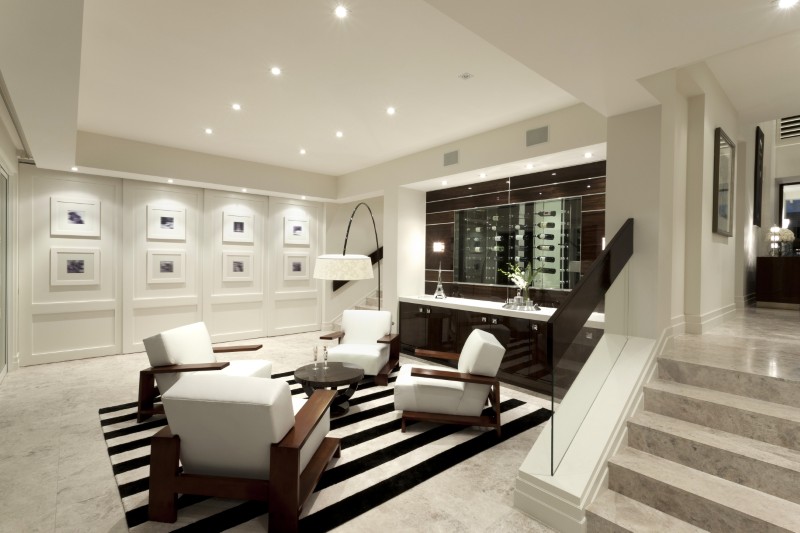
Once a costly electrical upgrade, recessed lighting became the standard solution for ceiling lighting, even in entry-level renovations.
#18 Wine refrigerators
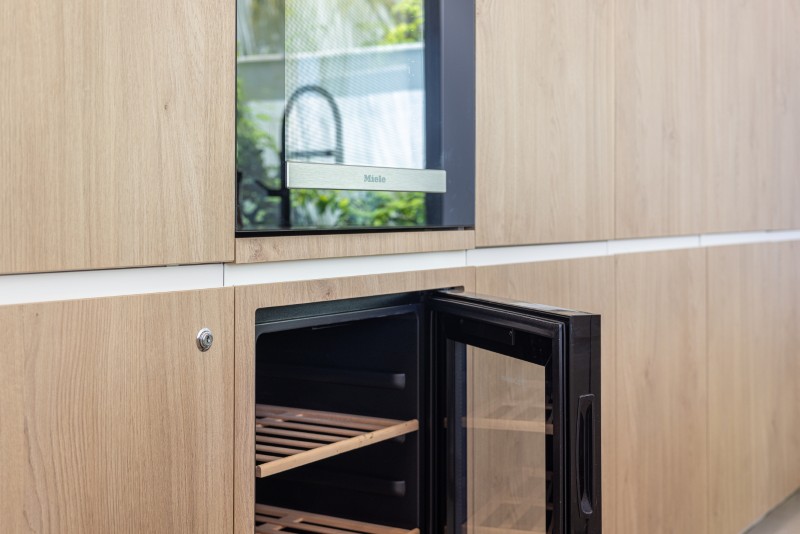
Under-the-counter wine storage, once read as a lifestyle flexible solution. Today it is a common appliance option, even in smaller kitchens.
#19 Frameless glass shower enclosures
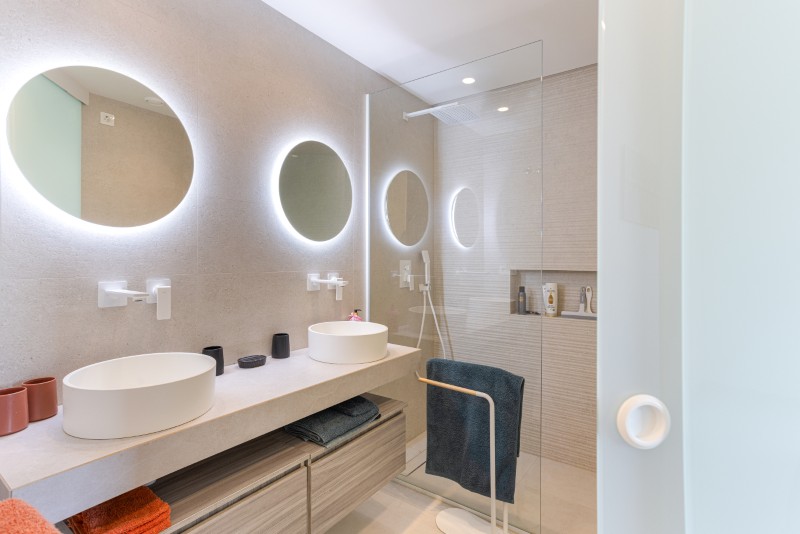
Heavy metal frames once dominated. Frameless glass signified a custom, high-end bathroom – until it became the norm and is now a common choice, even in home improvement stores.
#20 Mudrooms
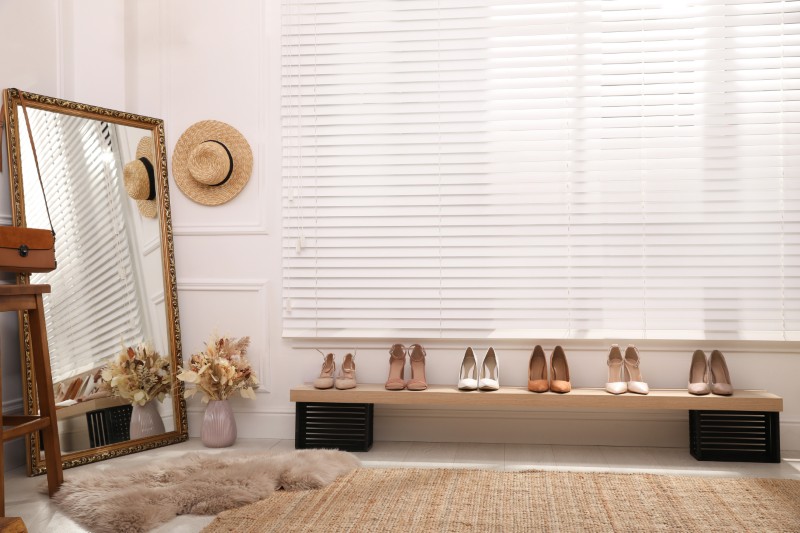
Purpose-built areas for shoes, coats and bags used to be associated with large houses. Today they are an almost universal design goal, when space permits.
#21 Outdoor kitchens
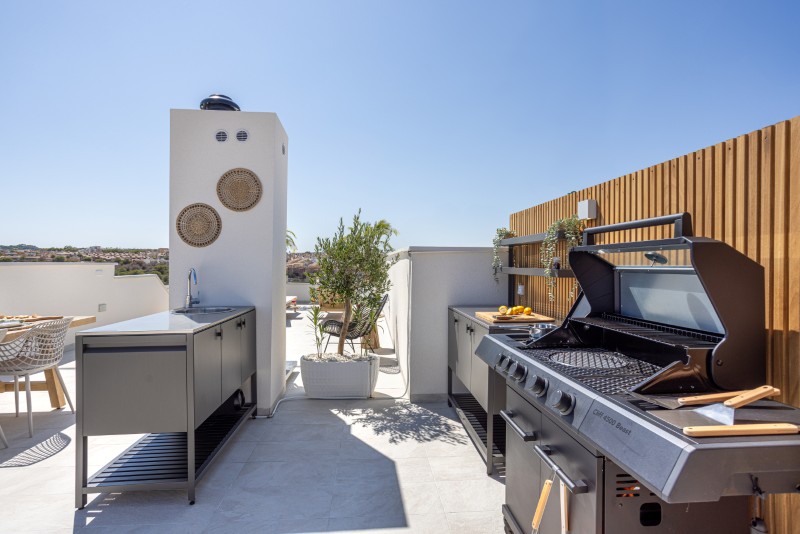
What was once reserved for luxury estates and holiday homes has seeped into everyday backyard design, with many households now having an outdoor kitchen for outdoor enjoyment.
#22 High ceilings

Vaulted or extra-high ceilings were once a sign of architectural ambition. While they still have an impact, they are now much more common in new construction and are no longer exclusive to multi-million dollar listings.
#23 Energy efficient windows
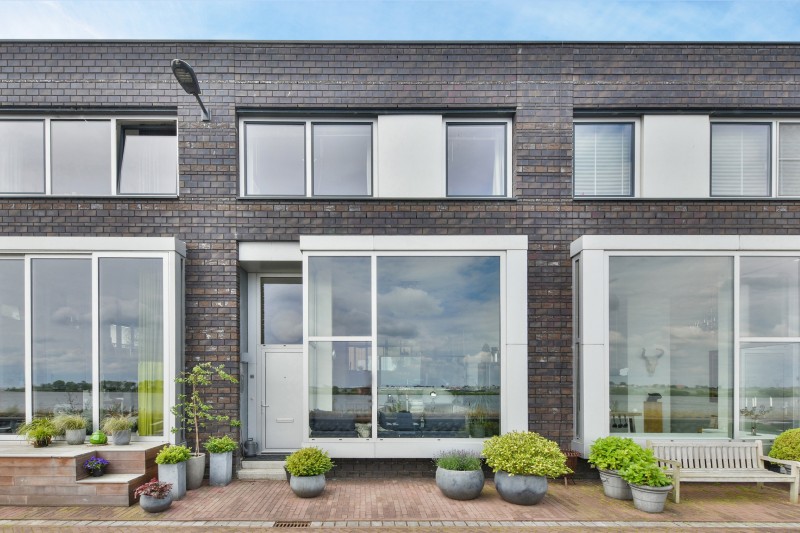
Once a premium upgrade, performance glazing is now expected – and sometimes mandated.
#24 Custom cabinet systems
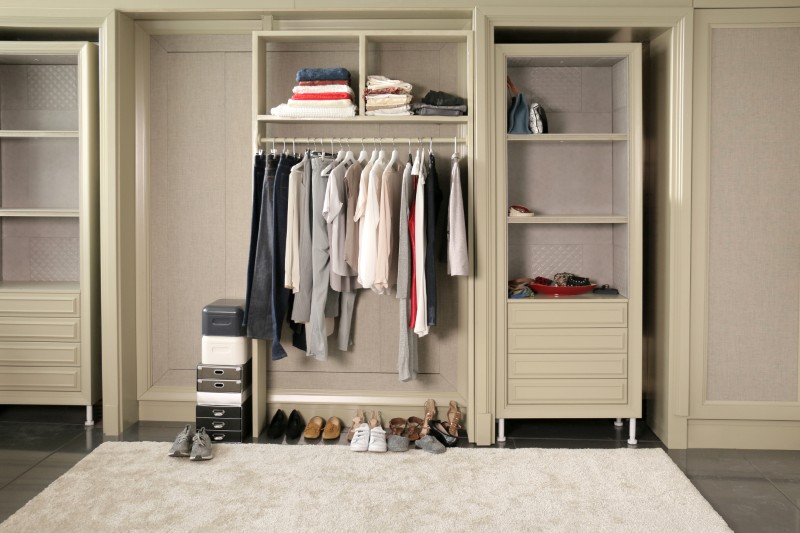
Custom shelves and drawers used to be a luxury addition. Nowadays they are widely accessible and often included as standard.
#25 Built-in bookcases
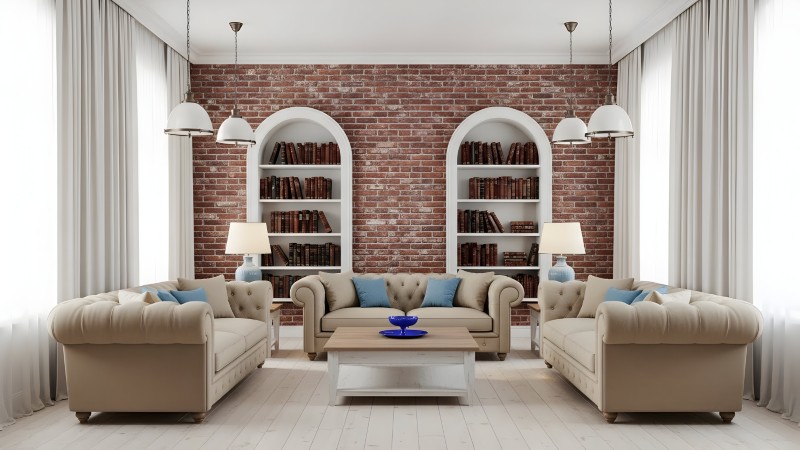
Once a sign of craftsmanship and customization, built-ins are now often added, even in entry-level renovations.
More stories
13 luxury home features that seem insanely expensive, but aren’t
8 design choices that distinguish custom homes from very good renovations
#home #features #considered #luxurious #years