

Designers see these mistakes all the time, even in some of the most expensive, lavishly decorated homes. It’s not so much about taste, but about proportions, layout, lighting and visual clutter. The good news is that most of these problems are easy to fix (once you know what to look for).
Here are 20 design mistakes that immediately make a home feel cheaper than it is, and why designers always tackle them first.
Use lighting that is too bright, too cold or too bright
Overhead lighting alone – especially cool-toned lamps – flattens a room and immediately dissipates heat. It makes spaces feel sterile rather than inviting.
Luxury homes rely on layered, warm lighting that creates atmosphere. When lighting feels intentional, everything else looks more expensive, too.
Hanging curtains too low and too narrow
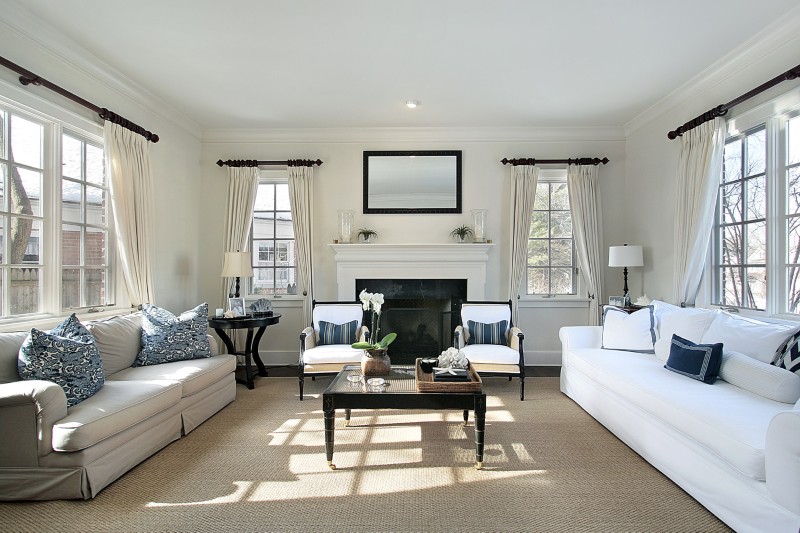
Curtains mounted just above the window frame visually shorten the walls and make ceilings feel lower.
Designers hang curtains high and wide to create height, softness and the right proportions – one of the quickest ways to elevate a room.
Use of carpets that are too small
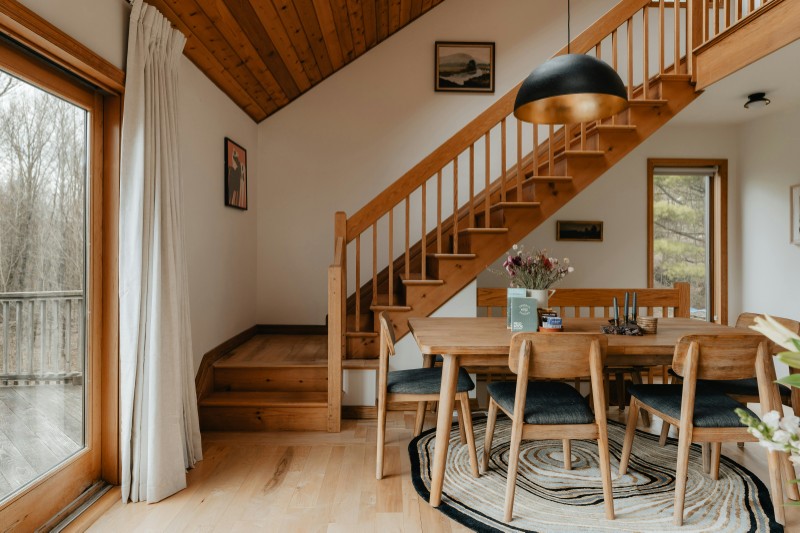
Undersized rugs are one of the biggest “cheapest” mistakes.
When furniture floats off the carpet or barely touches it, the space feels loose and cramped. Properly scaled rugs anchor the room and immediately make it feel intentional.
Fill every surface with decor
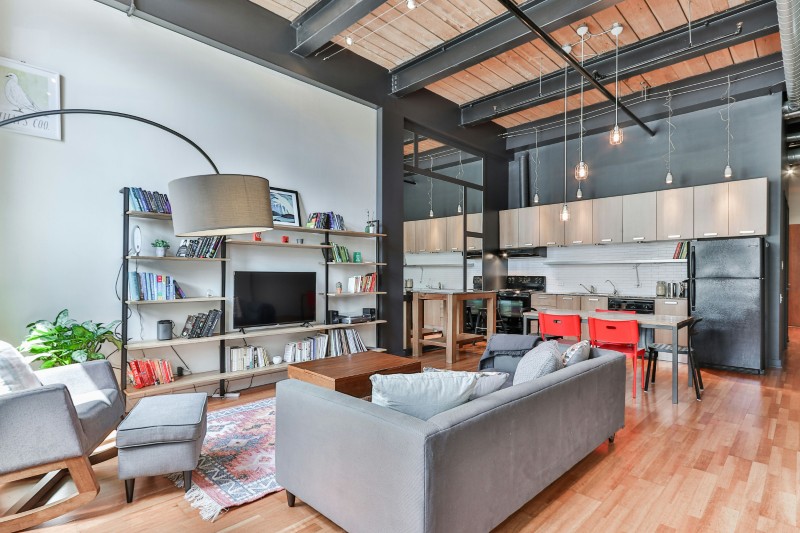
Too many objects compete for attention and create visual chaos. In addition, they make the room and the entire house more difficult to maintain.
High-quality interiors leave breathing room so that every piece feels chosen and not piled on.
Ignoring furniture scale
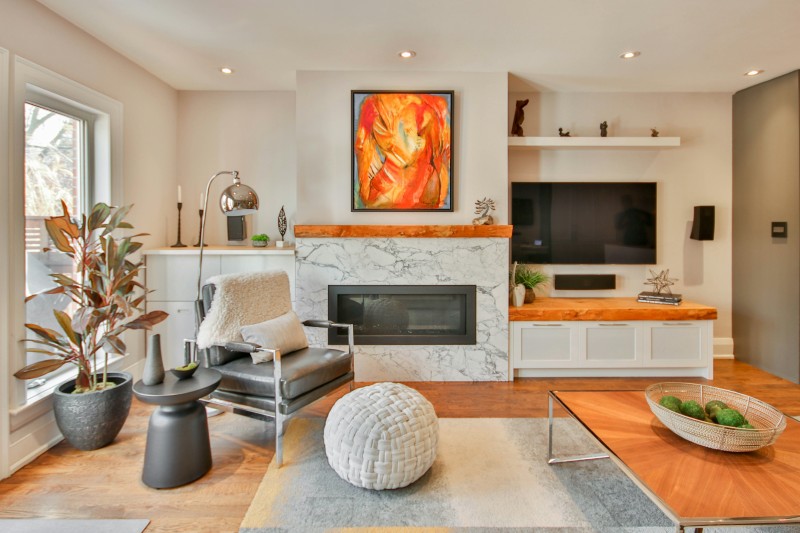
Small side tables next to large sofas, oversized chairs in small rooms, or too many small pieces scattered everywhere will throw everything out of balance.
Good design is about proportions: if the scale is off, the room feels uncomfortable without anyone knowing why.
Relying on overhead lighting as the only light source
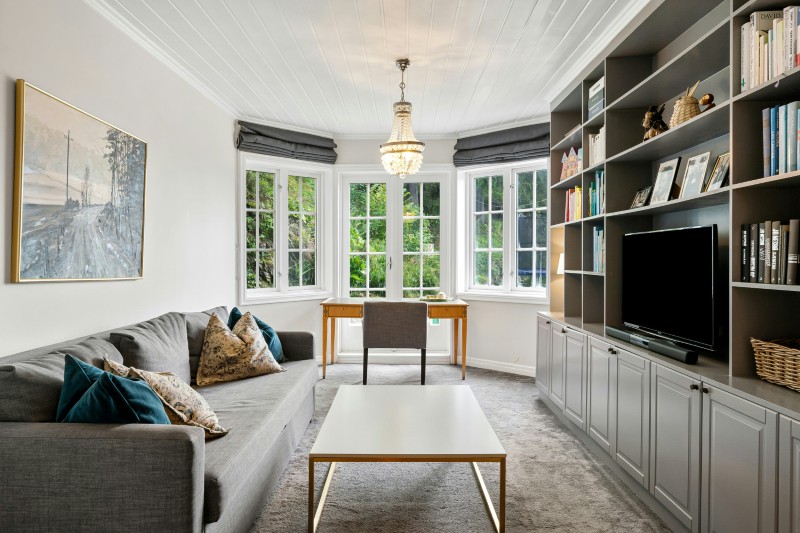
Rooms feel flat when there is no depth.
Designers combine lamps, sconces and mood lighting to create atmosphere and dimension.
Leave cords visible
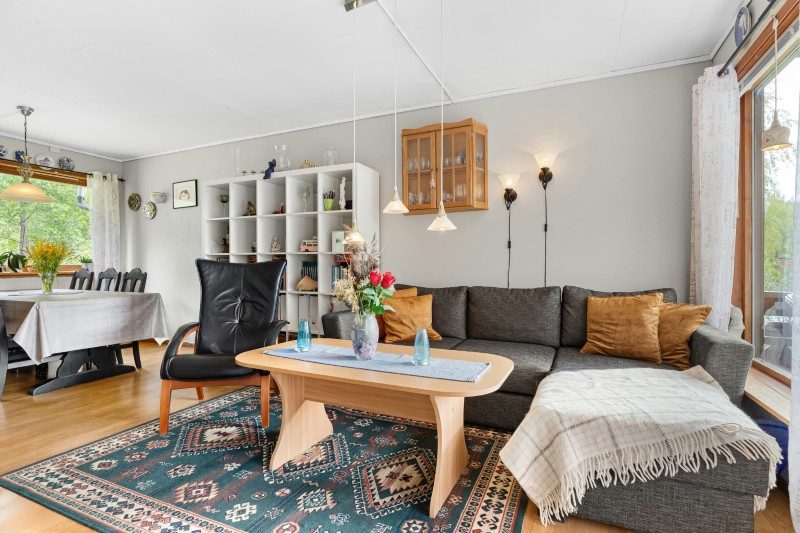
Whether for electronics or plug-in lighting functions, exposed cords immediately break the illusion of shine.
Even beautiful rooms feel unfinished when cables are draped along walls or floors.
Hanging artwork too high
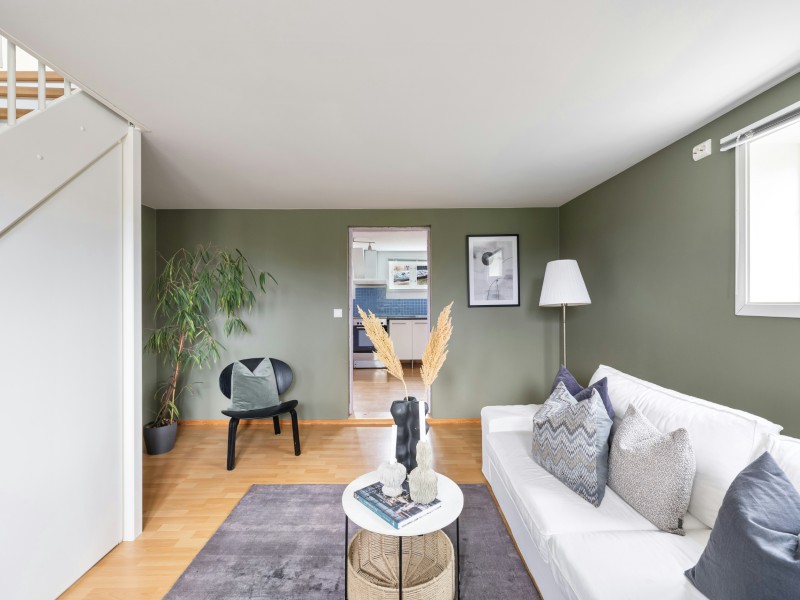
Art floating on the ceiling will detach from the furniture and make walls feel uncomfortable.
The art center should generally be at eye level for balance and flow. If the placement is not right, not only will the art fail to brighten the room, but it can even be harder to appreciate because it is not properly displayed.
Overmatching furniture sets
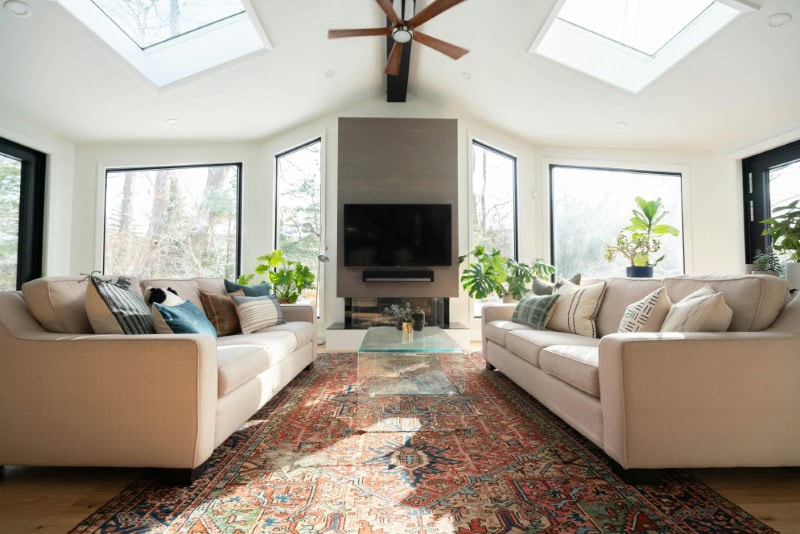
Matching sofas, chairs and tables look staged and generic.
Luxury spaces combine styles and textures for a collected, layered feel; To add to the appeal, furniture that isn’t too mismatched is considerably more inviting and can be a great way to show that you’re looking for antiques, or a conversation starter to tell guests about your travels (if you’ve collected and collected them over the years).
Use cheap-looking pillows
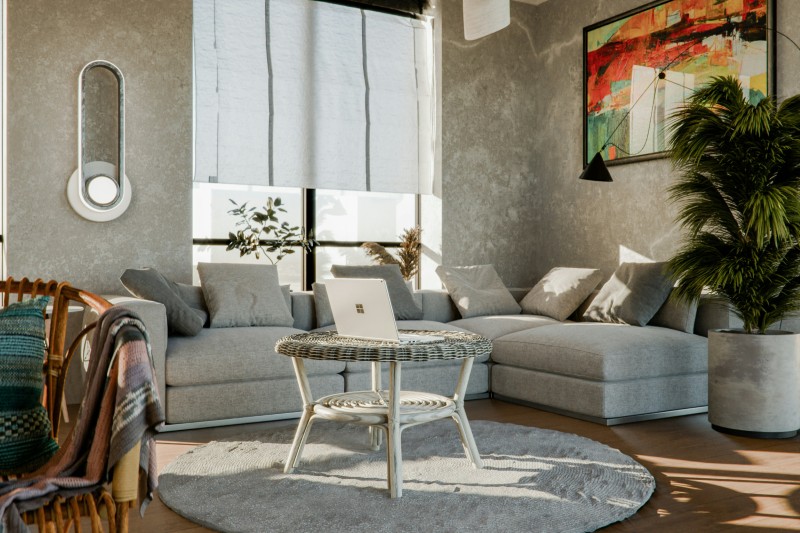
Thin, underfilled cushions collapse quickly and immediately make sofas cheaper.
Full, textured cushions in quality fabrics add softness and richness.
Excessive use of trendy finishes
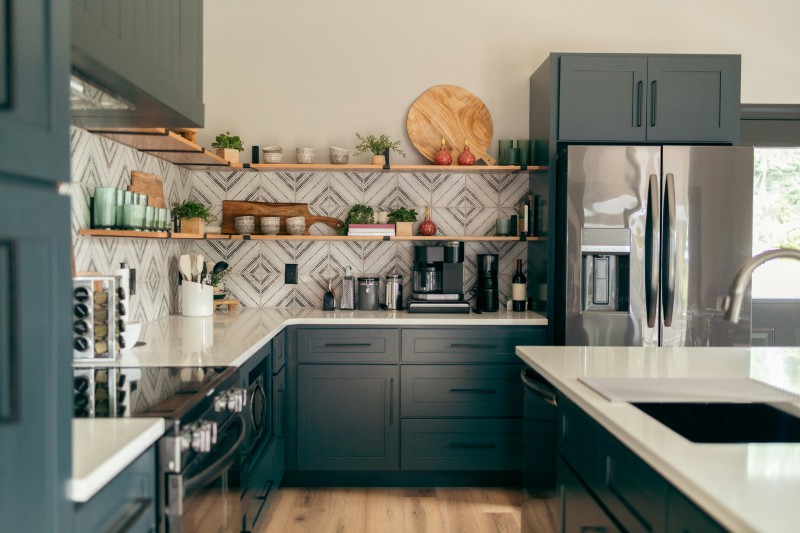
Ultra-trendy tiles, glossy surfaces and ‘of-the-moment’ looks can quickly become outdated and feel superficial.
Timeless materials tend to cost more to read in the long run.
Congested walkways and sightlines
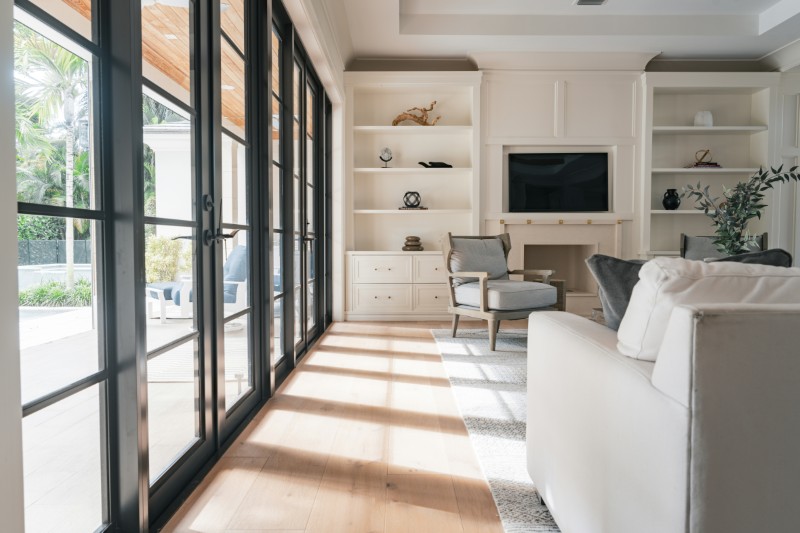
When people have to squeeze around furniture, the room feels smaller and more chaotic.
Designers prioritize a clear flow; space to move comfortably is a luxurious feature.
Ignoring window coverings altogether
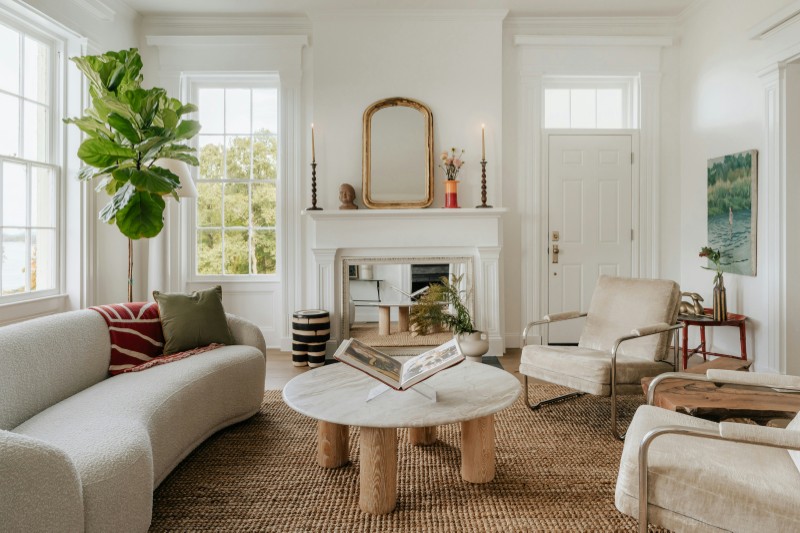
Bare windows often feel unfinished (unless they are architectural) and that feeling extends to the rest of the space they frame.
Curtains or custom shades soften spaces and make rooms feel complete. Moreover, there is a practicality that cannot be denied, especially on extra sunny days.
Let clutter become decor
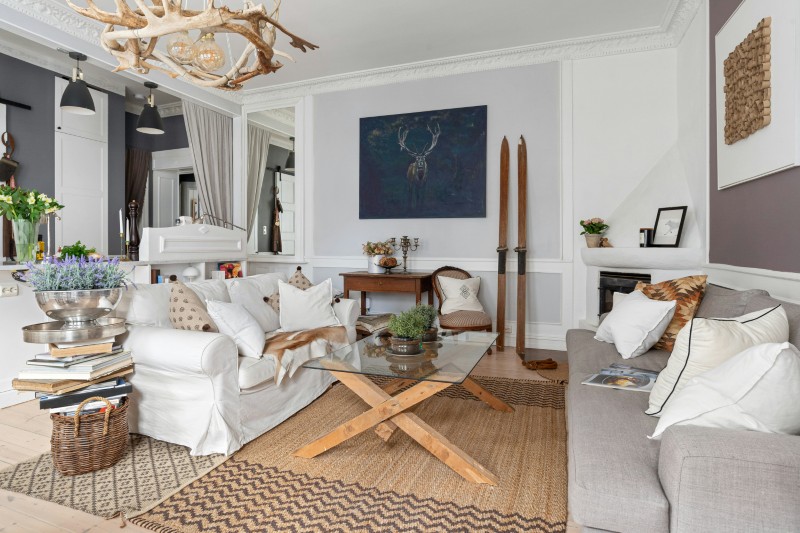
Piles of mail, books, magazines, random objects and overcrowded shelves kill the visual peace.
High-end interiors are edited – not empty, but deliberately.
Choose paint colors that are too stark or too muddy
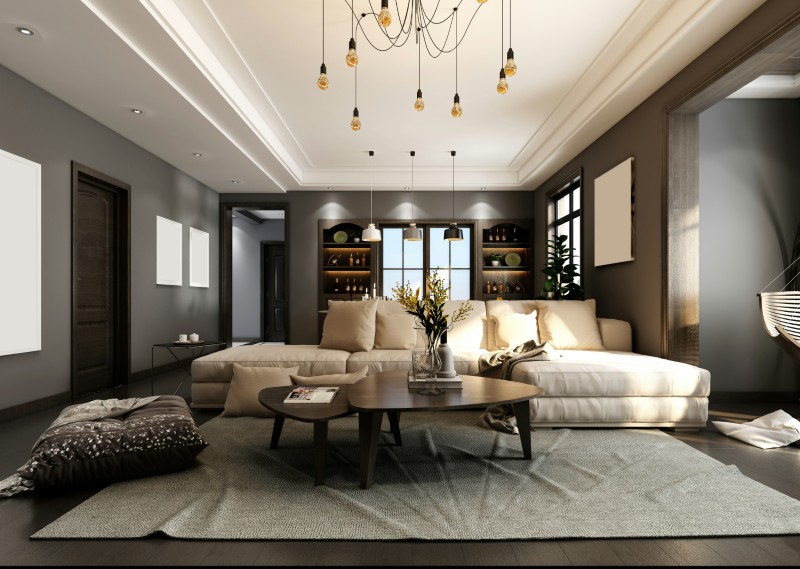
Raw white can feel cold. Flat grays can feel dull. And that’s without going into the psychology of colors.
To play it safe and choose what works best, designers often use softer neutrals with warmth and depth to make rooms shine.
We forget the impact on the entrance
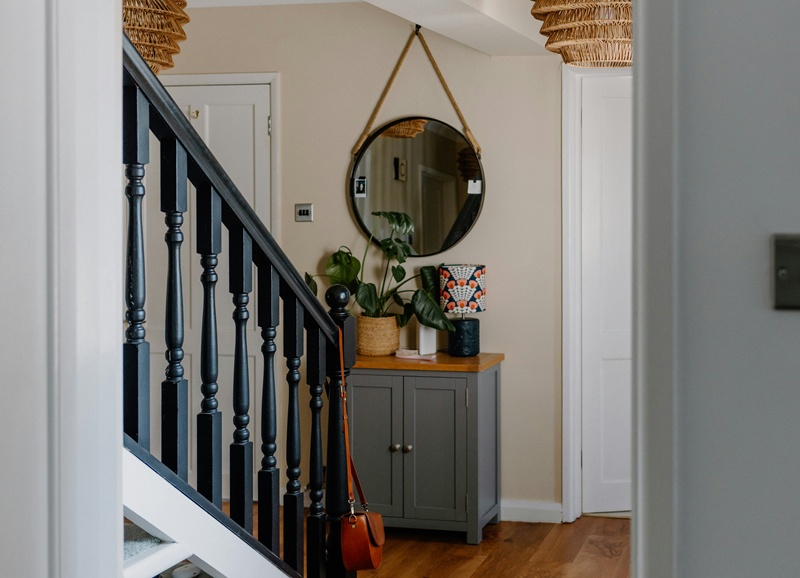
The first impression is important. A cluttered or poorly lit entrance sets the tone for the entire house; The same goes for a copy that has been completely neglected from a design perspective.
A simple console, mirror and lamp can go a long way.
The use of small lamps in large rooms
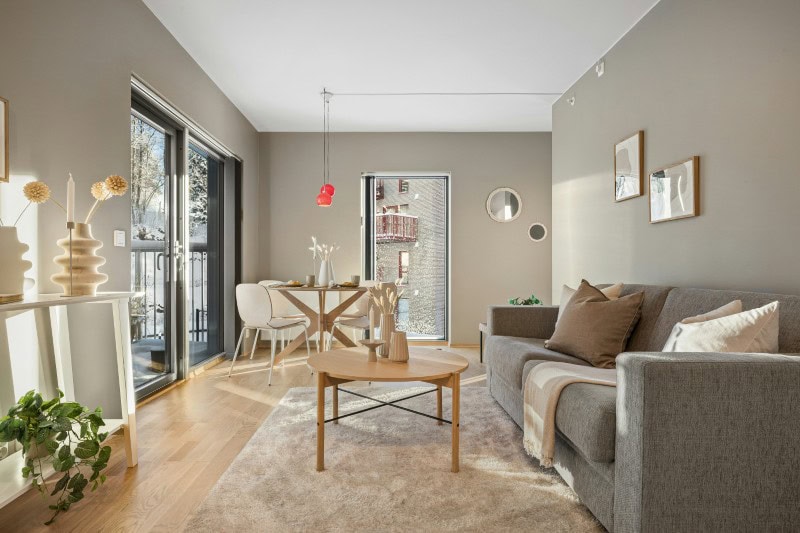
Undersized fixtures visually disappear and feel builder-basic.
The right scale in lighting adds drama and shine.
No anchoring of furniture groups
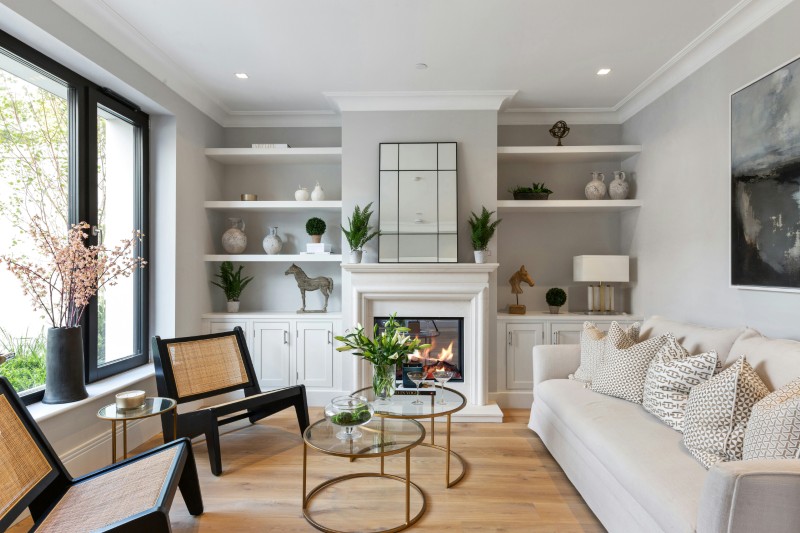
When seating floats aimlessly without carpet or layout logic, rooms feel temporary. And the arrangements themselves could be too, as furniture slides easily without anything to hold on to.
Anchored groupings feel intentional and comfortable.
Shelves overloaded with small accessories
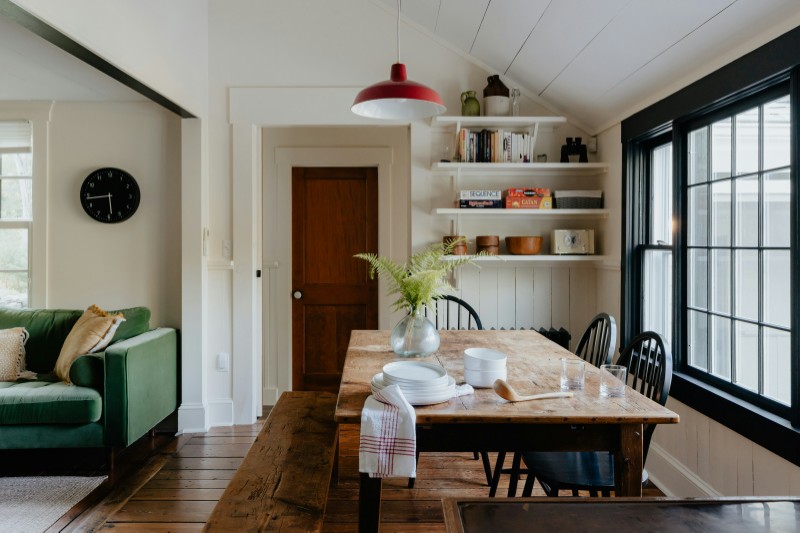
Many small set pieces feel like filler, while fewer, larger pieces feel composed.
If you’re having trouble judging what’s big (and what’s not) when it comes to decor items, the melon rule can help: If it’s smaller than a melon, it’s best to skip it. Photos and precious family memories are of course not applicable; but for those random ceramic vases/decor pieces, let the melon guide you.
Treating each room as an afterthought

Secondary rooms (hallways, guest rooms, laundry rooms) are often neglected, at great cost: solid first impressions.
Truly beautiful homes, regardless of style or age, convey intention in every room, not just the living room.
More stories
16 trendy renovations that quickly become outdated
19 Five-Figure Home Upgrades That Actually Cost Less Than $500
10 ‘Succession’ Inspired Ways to Decorate Like You Have a Penthouse and an NDA
#design #mistakes #immediately #house #feel #cheaper