

Everything looks new, clean and carefully designed.
The differences slowly come to light. They are reflected in the way rooms function day to day, how materials hold up to use and how little effort the house makes to impress at first glance. Over time, living in one type of house begins to become easier. More intuitive, forgiving and determined.
Houses that aren’t built for flipping usually reflect long-term thinking. They prioritize decisions that don’t always photograph well, but that become clear through experience: specificity, restraint, and a willingness to make choices that won’t appeal to everyone. These homes were not designed to sell quickly; they are designed to last.
Here are 10 quieter signs that a house was built to live in, not just to sell.
A layout tailored to the site, not a repeatable formula
Houses that aren’t built for flipping usually respond directly to their surroundings. Windows align with views. Rooms are focused on light. Exterior connections feel purposeful rather than decorative.
Flips often rely on layouts that work just about anywhere. They are efficient and familiar, but rarely specific. A site-responsive plan is one of the clearest signs that a home has been designed from the ground up rather than adapted for resale.
Less trendy finishes, used with real commitment
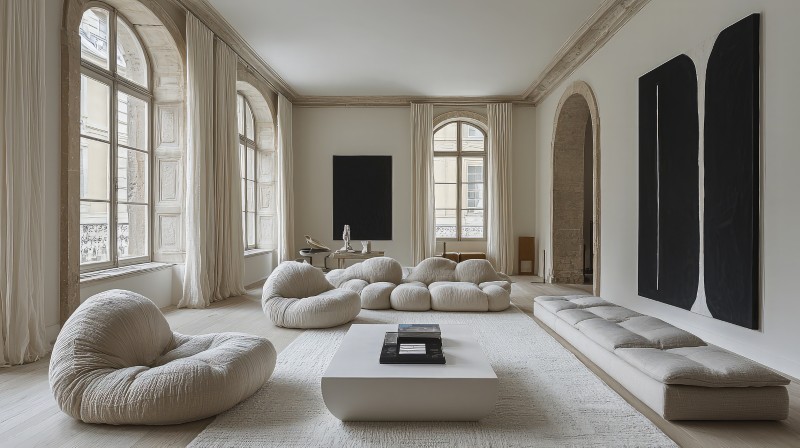
Unflipped homes often choose materials that don’t chase the moment. Rather than limiting themselves to broadly appealing choices, they stick to palettes and finishes that reflect a point of view.
These decisions may feel calmer or even riskier, but they age better because they are not selected for short-term appeal.
Storage planned early, not resolved afterwards
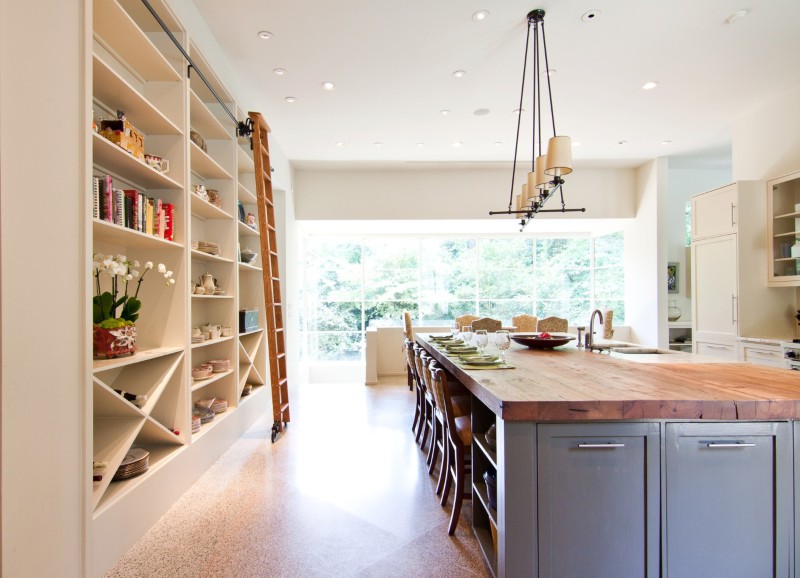
In homes built for living, storage is part of the architecture. It is embedded in walls, corridors and transitions and is not added later via furniture or decorative solutions.
This type of planning keeps rooms calm and functional over time, rather than relying on surface repairs as soon as a mess arises.
Structural decisions that invisibly shape the space
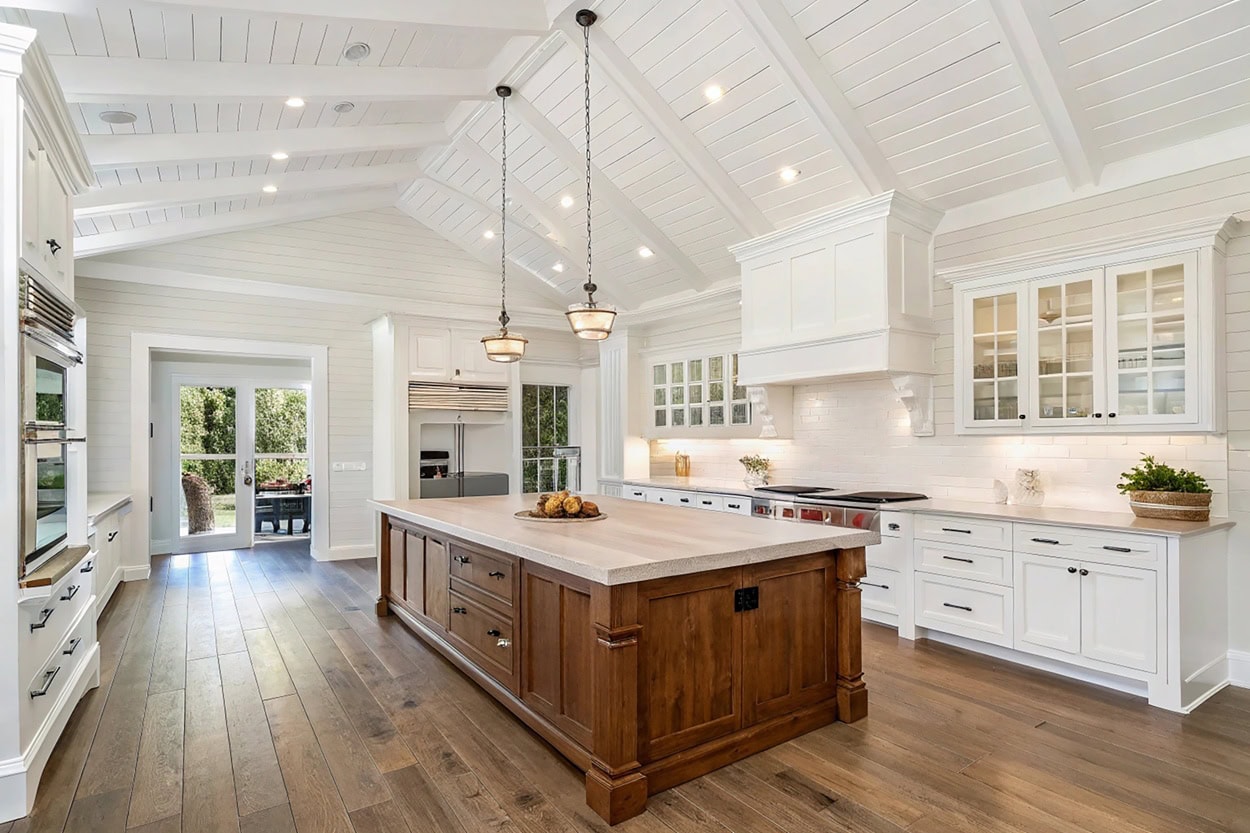
The placement of beams, ceiling height and location of columns often reveal whether a home has been carefully planned or cosmetically updated. In long-term homes, these elements quietly determine how spaces feel and connect.
Flips tend to bypass the existing structure rather than reimagine it, leaving the home’s original logic largely intact under new finishes.
Rooms suitable for real use, not photo staging
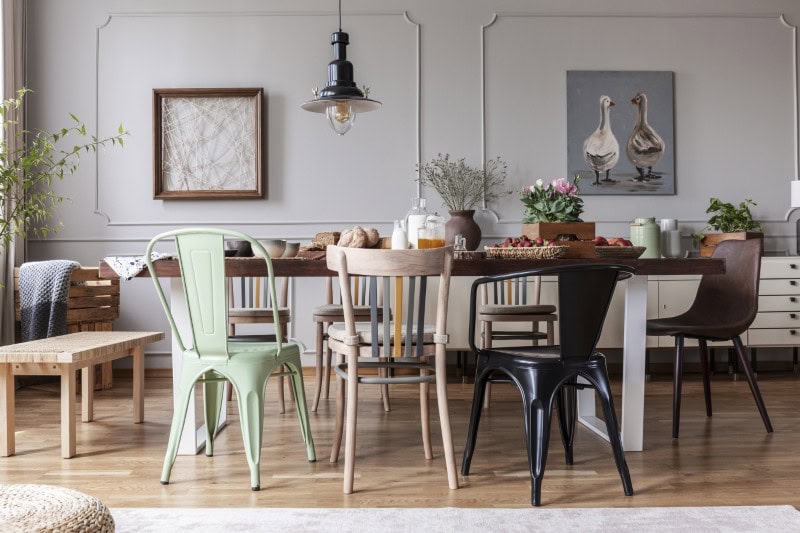
Dining rooms that can accommodate real groups. Kitchens in which more than one person can work comfortably. Corridors wide enough to pass through without friction.
Rooms designed for everyday life don’t always photograph dramatically, but they feel good once the house is in use.
Consistency between primary and secondary spaces
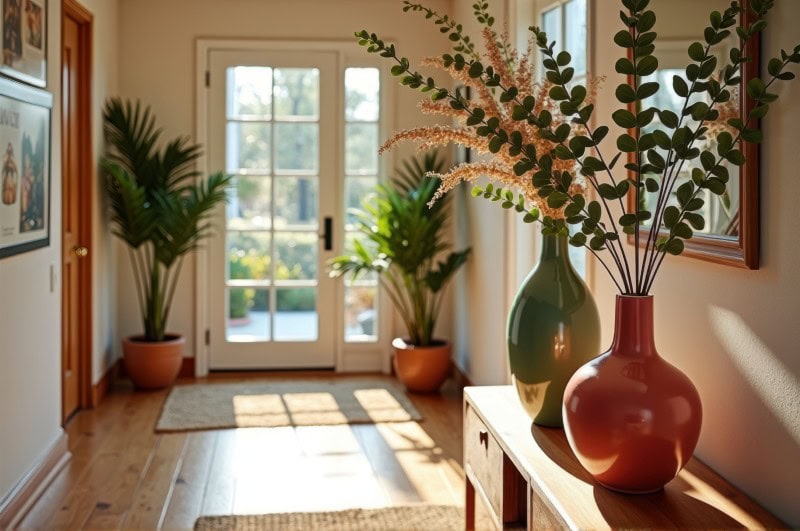
Flipped homes often concentrate their efforts where buyers look first: kitchens, primary bathrooms, entryways. In homes not built for resale, the same level of care extends to hallways, secondary bedrooms, laundry rooms and storage areas.
This consistency signals intention rather than prioritizing show.
A refusal to over-optimize for a resale appeal
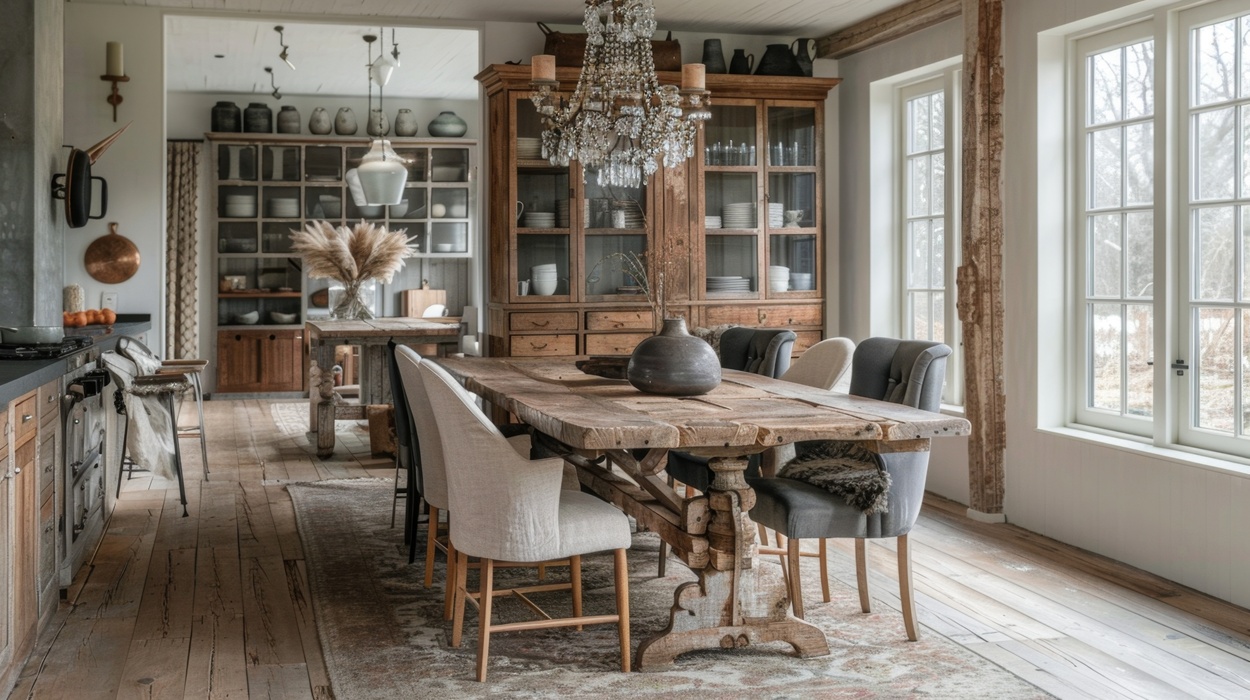
Homes built for living often include decisions that limit their appeal to the general public: unconventional layouts, specific materials, or use of space tailored to a particular lifestyle.
These choices are not mistakes, they are proof that the house is not designed to please everyone.
Infrastructure designed with longevity in mind
Electrical capacity, mechanical systems, access to plumbing and ease of maintenance are often better addressed in homes built for the long term. These elements are intended to be maintained, updated and adapted over time.
Flips often minimize or hide infrastructure to maintain visual impact.
An absence of obvious ‘wow’ moments
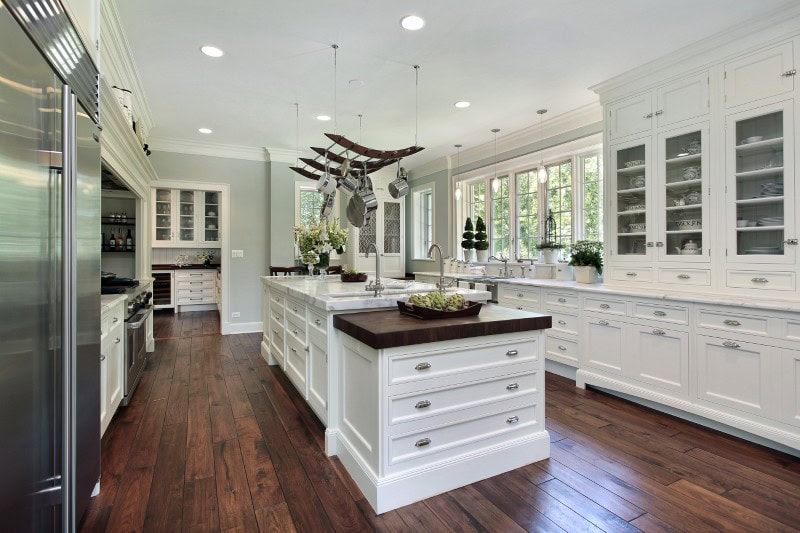
Rather than relying on a single showstopper, the quality in unflipped homes reveals itself gradually. Nothing requires immediate attention, but everything feels better and better the longer you live with it.
The house doesn’t sell itself, it settles down.
Comfort that does not announce itself
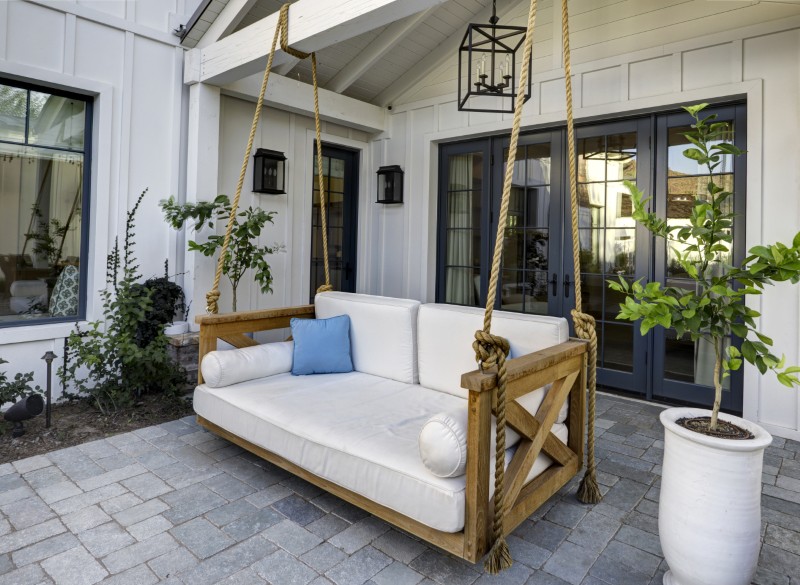
Perhaps the clearest sign of all is how little effort the house makes to be noticed. The temperatures are even. The circulation is intuitive. Light falls where it should.
The house just works: quietly, consistently and without asking for admiration.
More stories
8 ways luxury bathrooms avoid feeling cluttered or chaotic
25 home features that were considered luxurious just 15 years ago
When did living rooms cease to be the most important room in the home?
#features #quietly #house #isnt #built #flipped