

Have you ever wondered why gas prices are so much higher in some states than others? And we’re not talking about a little bit higher. At the time of writing this, the AAA websiteA gallon of gasoline in California costs an average of $4.65, while in Oklahoma it costs just $2.53. That’s a difference of more than $2 per gallon. Why does Oklahoma get the special treatment? And why should Californians have to pay so much? Don’t they have enough to deal with, like forest fires, mudslides, earthquakes and the Kardashians?
As if that wasn’t bad enough, gas prices can vary within the same state or even the same city. We have occasionally saved more than 10 cents per gallon by just driving a few blocks away. We’ve also seen that kind of price difference between gas stations across the street. What gives?
It turns out that location is very important when it comes to gas prices. For starters, each state has its own gas tax rate, and some are very high while others are much lower. When federal, state and local taxes represent approximately 26% of the cost of gasoline per gallon, this can result in significant variations from state to state. Then there’s the distance from the nearest refinery to the gas station. The further it is, the higher the transport costs. What about the difference in gas prices in the same city? Many factors play a role in this, such as the cost of leasing real estate in one location versus another, whether the gasoline brand uses additives and what deals the gas station owner has made with wholesalers.
Location matters when it comes to gas prices
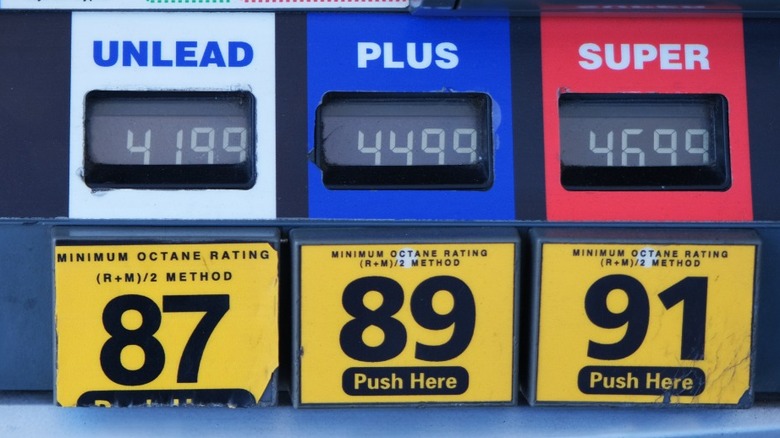
Then you have to consider how far the nearest refinery is. Gas must be transported by pipeline, train, semi-truck and sometimes by barge. Just as it’s expensive for you and me to travel (because of gas prices, ironically), it’s incredibly expensive to transport gasoline. That’s why gas prices are so cheap in the Midwestern and Gulf Coast states, while prices on the West Coast can reach more than $4 per gallon.
Government regulations can also make gas more expensive. Using California as an example again (sorry, California), the state requires gas sold there to contain certain additives. This mixture is more expensive than gas sold in other states. Additionally, wildfires could cause refineries and pipelines in California to close, leading to further price increases.
Why do gas prices differ in the same city?
Different brands of gasoline also vary in price. Chevron and Shell mix their own additives into their gasoline, which increases costs. Another factor that influences the price of gas is the station’s business strategy. Some convenience stores sell gasoline at break-even prices or even at a loss just to get customers into the store, where they make their real profit, since margins on retail items are much higher. However, other smaller stations rely on gas revenues so they can’t lower their fuel prices as much. And then there’s the fact that some gas stations, especially franchises, can get better prices from wholesalers because they deal in higher volumes.
As you can see, pricing gasoline is complicated. A lot happens behind the scenes to determine which prizes are awarded to those large gas station awnings in the morning. State and local taxes, leasing and other business overhead costs, transportation logistics, fees gas stations pay to credit card companies, and more must all be factored into the final price.
#pay #gas #stations #Jalopnik