

It was the place where guests were received, furniture was carefully arranged and certain rules were quietly enforced. You didn’t just eat there. You are not stretched out. And you certainly didn’t treat it like just another room.
Somewhere along the way, that authority faded. The living room did not disappear, but it was no longer the undisputed center of domestic life. Other spaces – especially the kitchen – began to take over the roles they once held, reshaping the way homes were used on a daily basis.
That shift didn’t happen overnight. It unfolded gradually, decade by decade, as lifestyles loosened, technology crept in and formality gave way to comfort.
Here’s how the living room slowly lost its dominance (and what took its place).
1950s and 1970s: when the living room was for company, not for everyday life
In the mid-20th century, the living room was a formal space with a clear purpose: presentation. It was often the best decorated room in the house, reserved for guests and special occasions. Sofas were stiff, coffee tables were decorative and everything had its place.
Daily life took place elsewhere. Kitchens were work zones. Bedrooms were private. The living room sat quietly in the middle, waiting to be put to good use.
1980s-90s: When the family room started to attract attention

In the 1980s something changed. Houses became larger and with them came new types of rooms. The family room emerged as a more relaxed alternative – often tucked away near the kitchen, equipped with softer furnishings and designed for everyday use.
This created an unspoken hierarchy. The living room remained intact, but was no longer the place where people actually spent time. The family room absorbed television, lounging and noise, while the living room became increasingly ceremonial.
2000s: When televisions reshaped the way rooms worked
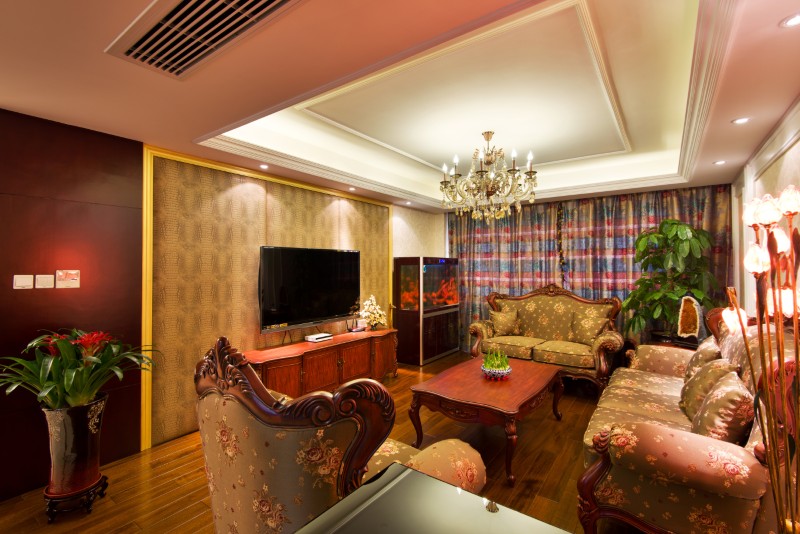
The 2000s accelerated the living room’s identity crisis. Televisions became bigger, flatter and became increasingly central to everyday life. Furniture arrangements began to revolve around screens rather than talk, and rooms were reoriented accordingly.
At the same time, open floor plans blurred the boundaries between living rooms, family rooms and kitchens. The once distinctive living room began to lose its definition, often blending in with wider ‘great rooms’ or quietly sidelined.
2010: When formality gave way to flexibility

By the 2010s, the idea of a rarely used formal living room felt increasingly out of step with the way people lived. Informal entertainment and flexible routines required rooms that could multitask.
Living rooms have either been adapted – they are more relaxed, more layered, more forgiving – or they have faded into the background, sometimes repurposed as offices, libraries or secondary seating areas.
2020s: When comfort officially won
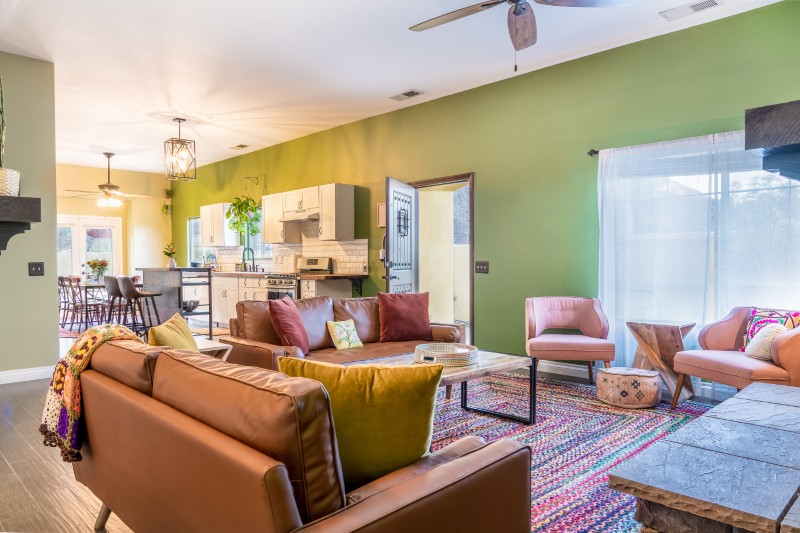
In recent years, comfort has become the guiding principle in home design. Rooms are expected to handle work, rest, entertainment and connection, often all in the same day.
Living rooms that survive are no longer expensive. They are softer, more informal and often indistinguishable from other shared spaces. In many homes, the kitchen or combined living-dining room now carries the emotional weight that the living room once did.
Which replaced the authority of the living room
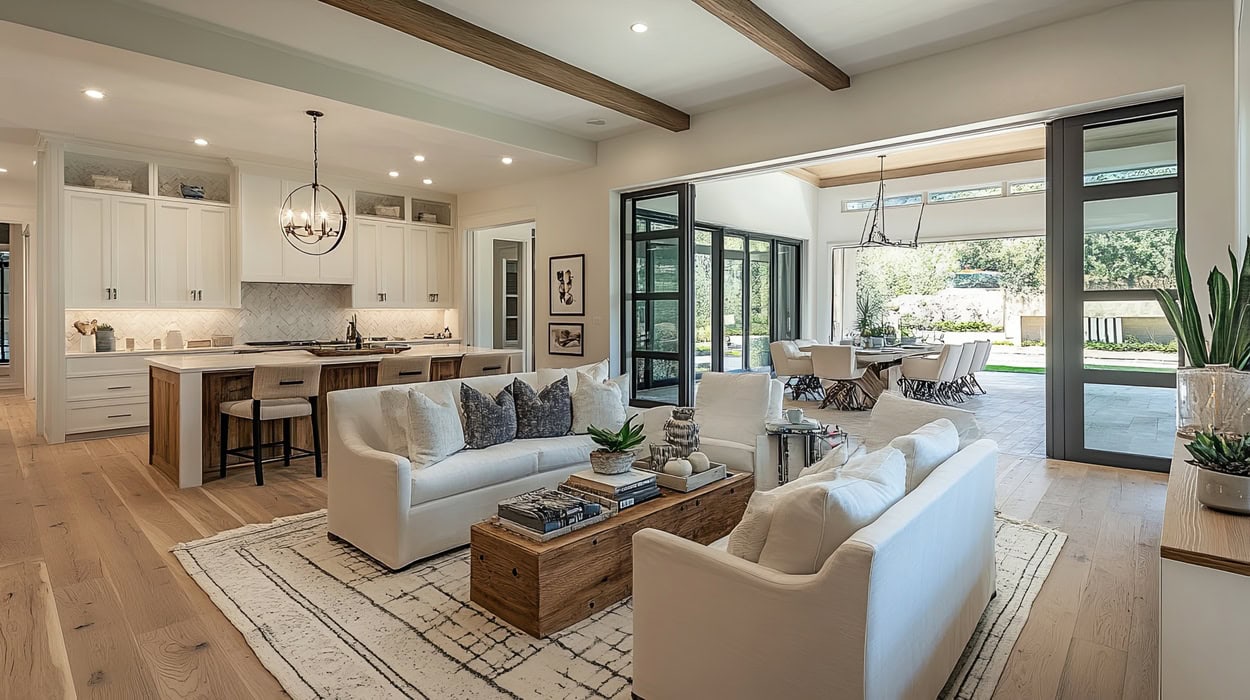
The living room did not so much disappear as it dissolved. Its functions were redistributed: conversations moved to the kitchen island, relaxation shifted to the family rooms, and entertainment became more fluid and informal.
What was lost in formality was easily gained. Houses became places meant to be fully inhabited and not carefully preserved.
The demise of the living room points to a broader cultural shift
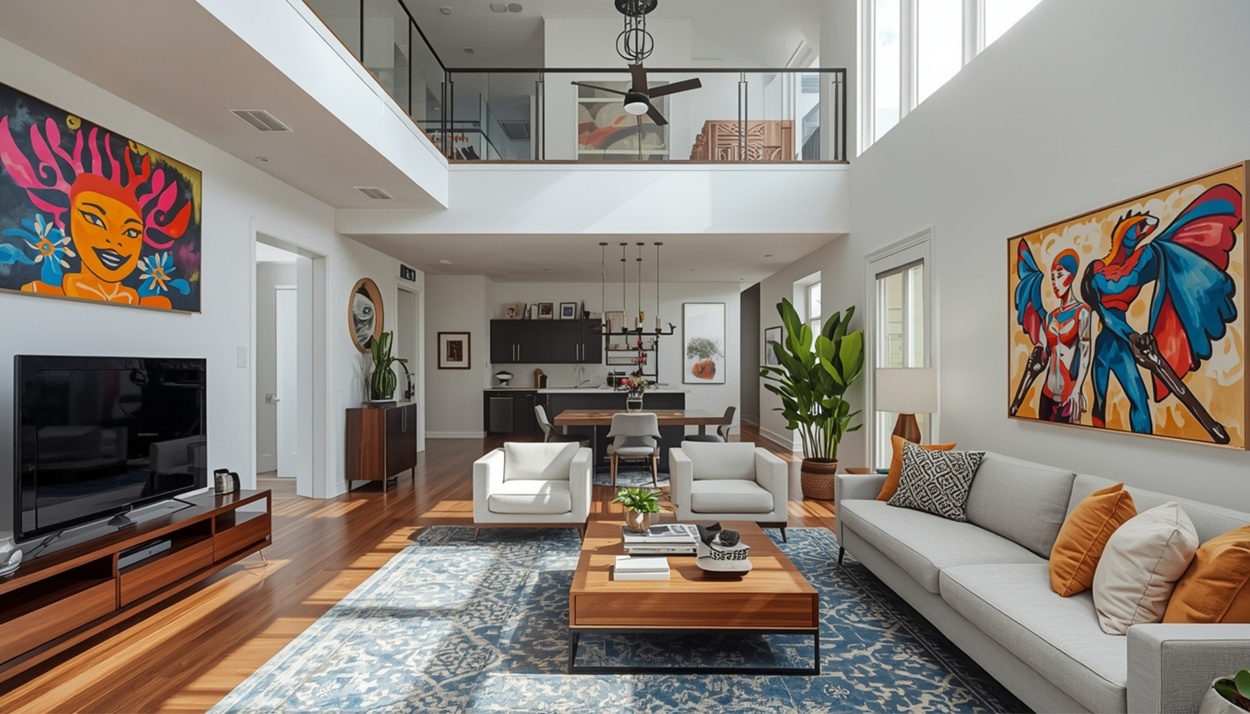
The decline of the living room reflects a broader cultural shift. As daily life became less structured and more integrated, homes followed suit. Spaces that required restraint gave way to spaces that welcomed presence.
Today, the most important space is not defined by its name, but by the place where people naturally gather. And increasingly, that is no longer the living room.
More stories
25 home features that were considered luxurious just 15 years ago
Serena Williams’ Florida home has many unique features, but no living room
8 design choices that distinguish custom homes from very good renovations
#living #rooms #cease #important #room #home