

In short
- In a survey, more than 30,000 people around the world were asked why they were proud of their country.
- Australians expressed their pride on a range of issues.
In times of natural disasters, Australians have been known to come together.
From opening their homes to the displaced, offering food to those who cannot make it or helping those in need, it is a common feature after a devastating disaster.
And it’s also a source of national pride, according to a new report from the Pew Research Center.
In a new report, the US-based think tank looked at the sources of national pride in different countries. More than 30,000 people in 25 countries were asked, “Why are you proud of your country?” and let them respond in their own words.
The center interviewed 1,500 Australians for the report.
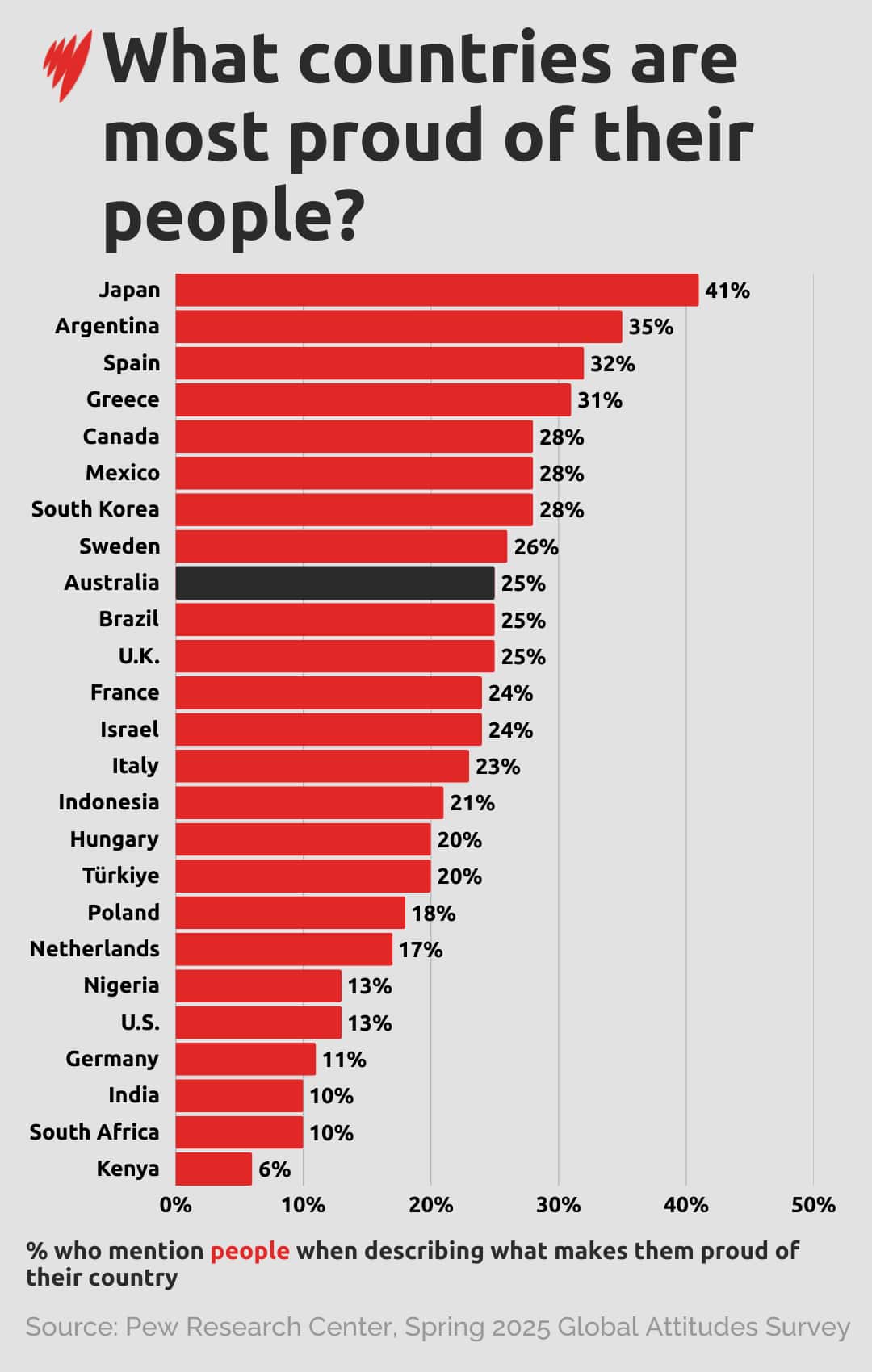
Australians, it turned out, are most proud of their country’s people.
Of all other characteristics, this was the most common response, with 25 percent of respondents saying ‘people’ were a source of Australian pride.
Camaraderie a source of national pride
A quarter of respondents in Australia said the ‘camaraderie’ they feel with other Australians, and the way they ‘lend a hand’ in times of need, such as natural disasters, was a source of pride.
An Australian woman responded that she prided herself on friendship and community spirit: “Australians are known for their kindness, resilience and willingness to help each other, especially in difficult times.”
Demographer Liz Allen said the report’s findings were encouraging.
“Australians say it’s the people who make us strong,” she told SBS News.
“[They’re saying] it’s the people who make us proud when we say we’re Australian, and I think that’s something we can all be proud of, and we can all take stock of that in the end. We may not agree on everything, but we know we have each other’s backs in a time of crisis.
“It is incredibly encouraging to know that the loudest voices on social media expressing deep dissatisfaction with the place do not represent the everyday views that Australians hold.”
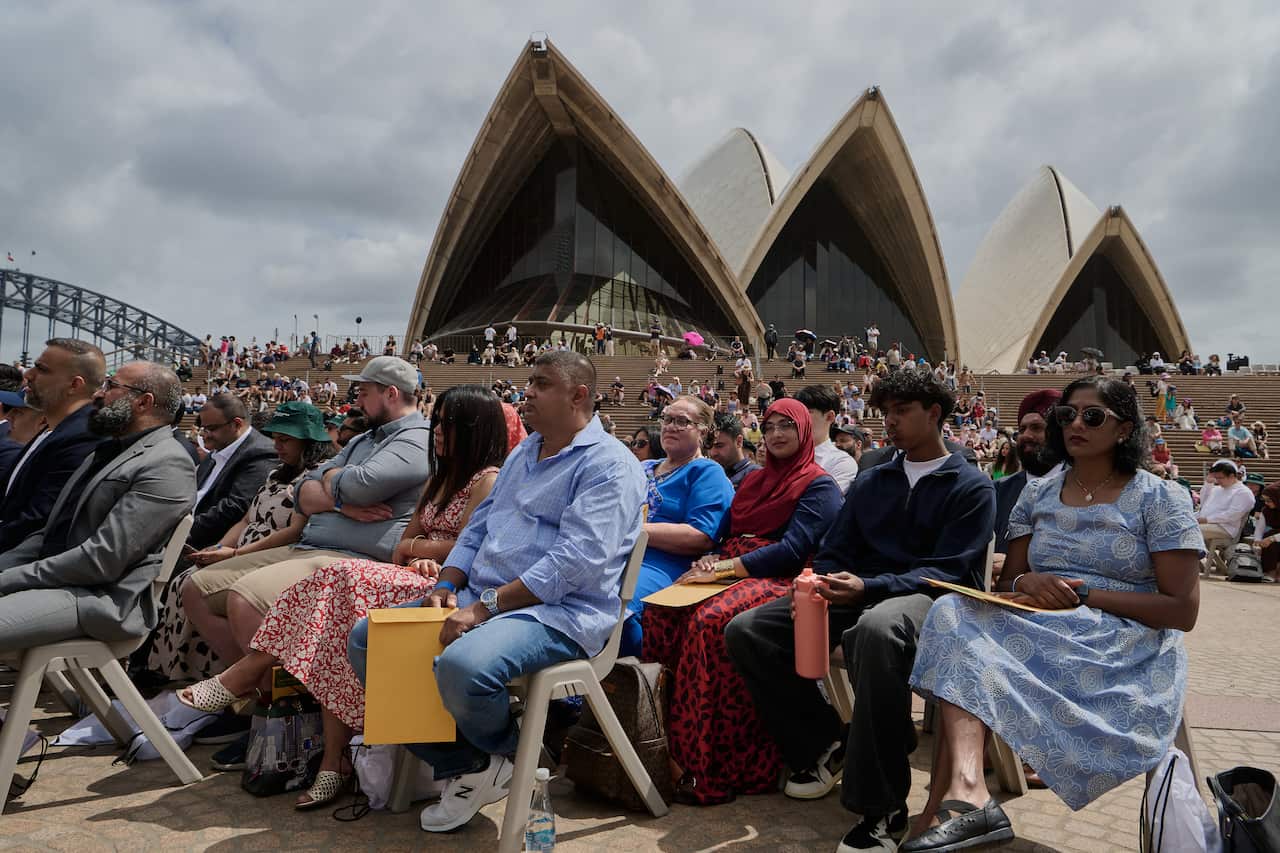
Australia’s social programs were also mentioned by respondents, particularly Medicare. One man replied: “Free universal healthcare would be my biggest pride in Australia.”
The report said people cited the contributions and “rich cultural history” of Australia’s indigenous people, as well as “how welcoming the country is to immigrants and to all nationalities and religions”.
Allen said the data does not reflect the story of an overwhelmingly “angry” population.
“The popular narrative is that Australian democracy is dead or being eroded, the country is falling apart and people are turning to extremist parties,” Allen said.
“These data do not reflect an angry population; these data reflect a fairly harmonious group of people who are able to express both their joy and their concerns without fear.”
Australians are proud of their democracy
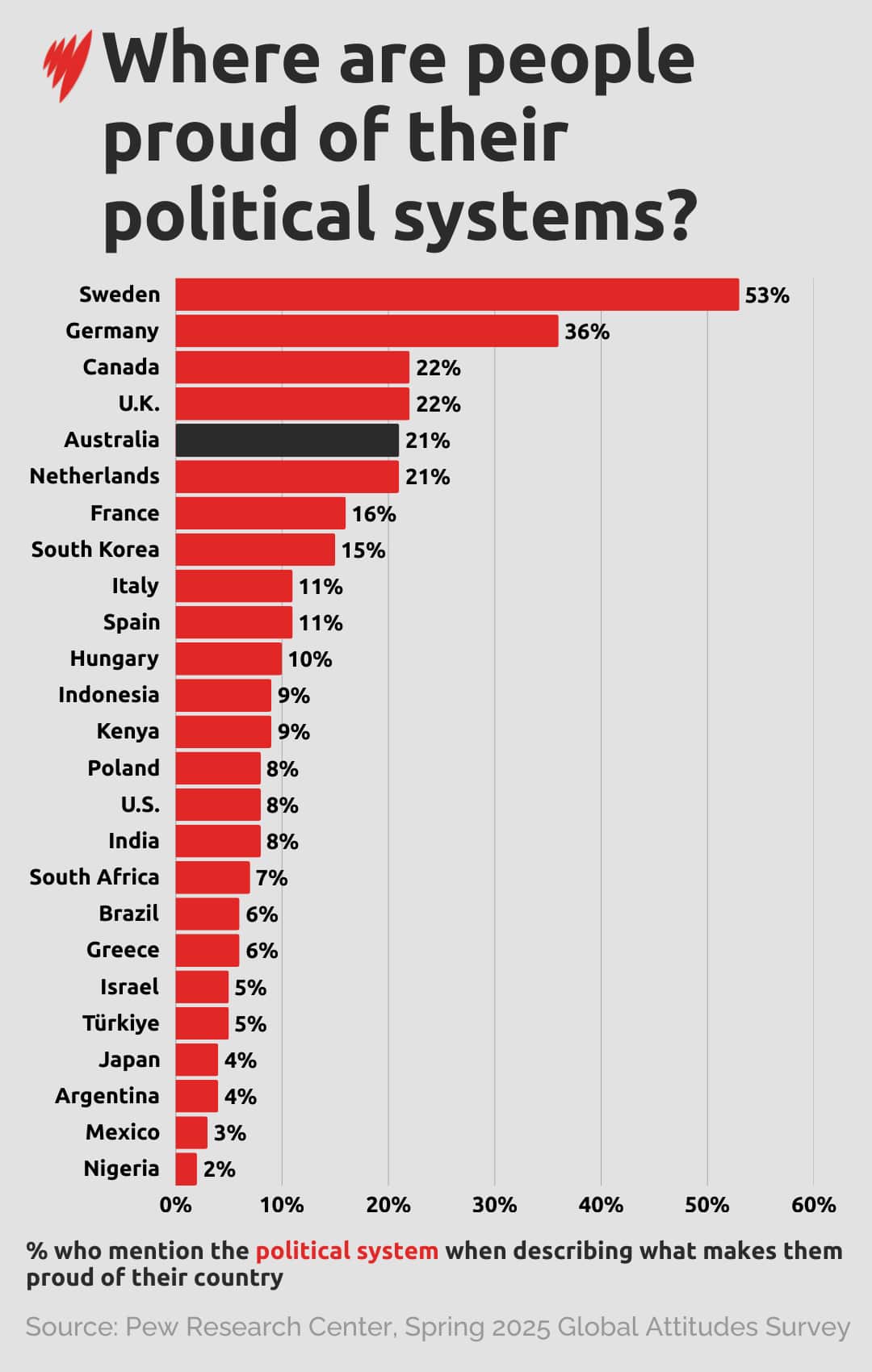
Australia’s systems of government and politics were also a source of national pride for 21 percent of respondents.
In fact, our political system was among the top three mentioned when people were asked about their source of pride.
Australia’s compulsory voting system was also mentioned by some respondents.
Australia ranked behind Sweden, Germany, Canada and Britain and tied with the Netherlands when it came to pride in political systems. But in each of these countries, and in South Korea, the political system was among the top three sources of pride among respondents.
Australians, along with the Spanish, were also proud of their way of life, praising their ‘relaxed’ nature of lifestyle and ‘the fact that they could live a relatively carefree life’.
“I… think Australia is a good place to live and raise children,” said one Australian man. “Happy place,” said another.
Respondents often cited Australia Day as a source of pride. This matched the global trend for people to be proud of their national customs and traditions.
However, Australians were among the lowest strata of those who expressed pride in their national arts and culture.
Are most Australians proud of their country?
The survey found that 14 percent of Australian respondents felt no sense of pride in their country.
People who did not identify with the ruling party – in Australia’s case the Labor Party – were more likely to say they were not proud of their country. This was about 17 percent of respondents, compared to 6 percent of those who identified with the ruling party but felt no pride.
Immigration was cited as the reason – with one 50-year-old respondent saying: “The Australian values we have developed over generations have been eroded by poor immigration policies and weak politicians too afraid to offend minority groups. It is now considered racist to advocate for old Australian values.”
Allen said the results of the report indicated there were possible signs of a rupture.
“Especially in terms of inequality and differing views on the threats to the country. So if we were to ask ourselves what the main threats to the country are, we would see a very different story.”
The topics Australians cited least as a source of pride were: religion, military and, surprisingly, sport.
For the latest news from SBS News, download our app And subscribe to our newsletter.
#people #proud #Australian #answer #surprise